

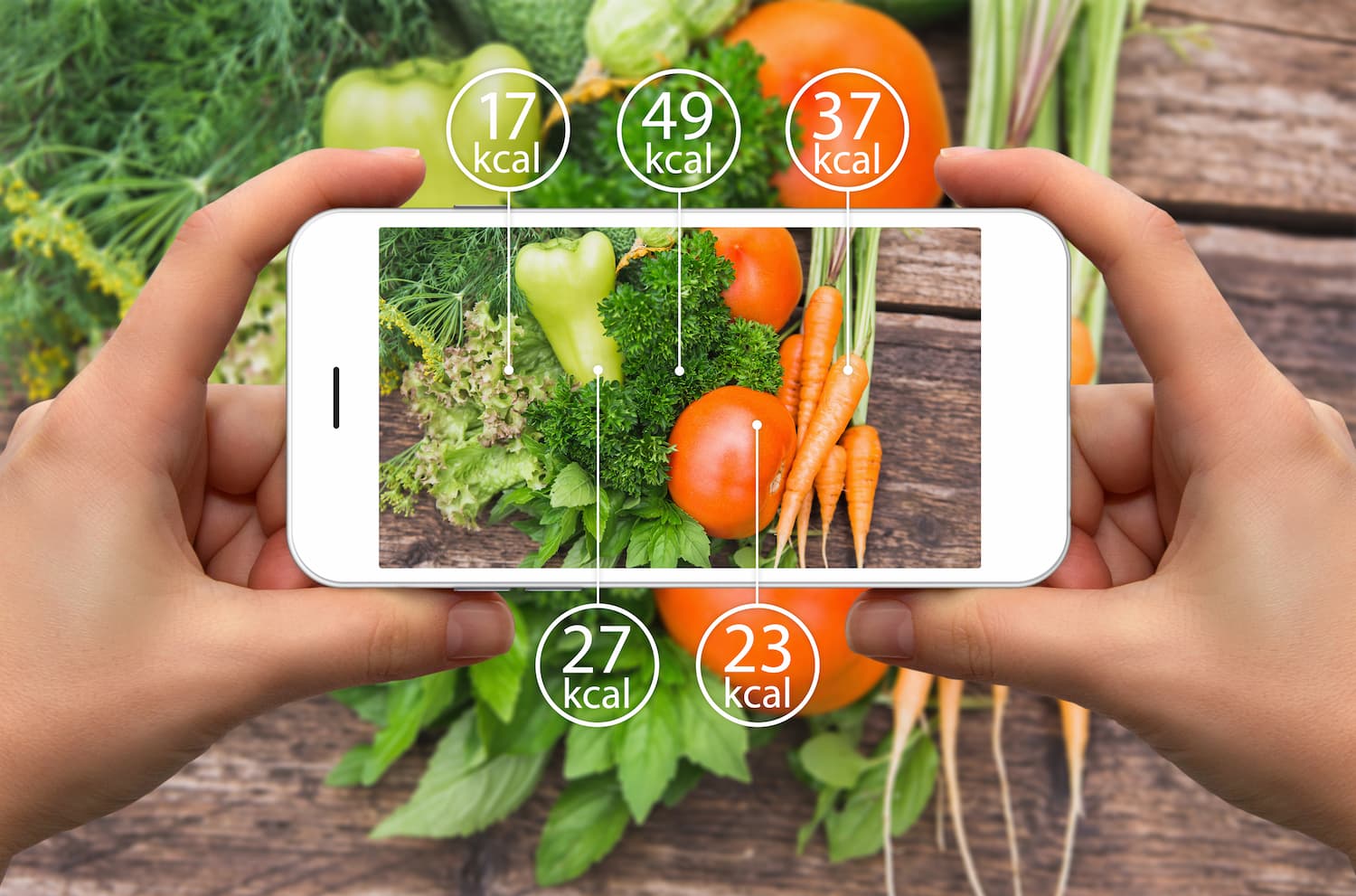
The tech world of health and nutrition was recently set abuzz as a major name in food tracking made headlines by acquiring an exciting new contender. This involved a widely popular artificial intelligence-powered calorie app, crafted by teenagers, that rapidly captured the attention of millions around the globe. The deal underscores just how swiftly innovative ideas can disrupt even well-established industries and reveals how legacy brands respond when real competition emerges from unexpected places.
A breakout star among calorie-counting apps
In under two years, Cal AI accomplished what few could dream of in the crowded landscape of nutrition and fitness technology. Created by a young team still balancing school commitments, this app merged AI-driven image recognition with food tracking, enabling users to log meals through a quick photo. Its popularity soared, accumulating over 15 million downloads across platforms and generating annual revenue above $30 million. Unsurprisingly, such momentum drew the gaze of industry leaders watching every newcomer rising up the download charts.
The market teems with calorie counters making similar promises, but most never achieve this pace. What truly distinguished Cal AI was its unwavering focus on simplicity and automation. By streamlining nutrition tracking, it removed barriers—no overwhelming feature lists or tedious manual entry. News traveled fast online, turning the app into a trend, especially among younger audiences seeking smarter, faster ways to reach their health objectives.
Keys to rapid growth and user appeal
What propelled this AI-powered tool ahead of established giants? Peeling back the layers uncovers several advantages that matched perfectly with evolving user demands.
- Instant feedback via advanced visual algorithms, minimizing effort for each customer.
- An extensive database featuring 20 million foods, including packaged items and restaurant dishes from over 380 chains.
- Youthful branding, authenticity, and widespread media coverage that fueled organic downloads and built a passionate community eager to share their discoveries.
Seamless onboarding played a crucial role as well. Instead of requiring time-consuming searches, the app offered intuitive scanning. The development team adopted agile methods, often meeting on weekends to push rapid updates despite academic schedules. This dedication resulted in daily product improvements, enhancing both reliability and accuracy—a combination rarely matched by competitors at such speed.
Additionally, regular stand-up meetings fostered accountability within the group. The blend of youthful enthusiasm with disciplined teamwork allowed the platform to evolve while staying closely attuned to the needs of its core audience.
Behind the scenes: how the acquisition unfolded
It might seem like deals happen overnight once impressive numbers appear, but insiders reveal that negotiations spanned more than a year. While early data pointed to Cal AI’s explosive rise, building mutual trust took time. Corporate decision-makers dug into not just the financials but also the team’s commitment and vision. They discovered a founder driven by ambition, managing operations between college applications and classwork. In response, acquisition offers became increasingly attractive.
No official details have been released about the purchase price. Still, considering the app’s revenue, it is easy to imagine that the founders—both only 19—secured comfortable futures for themselves and the contractors who supported them from day one. For many observers, this sale highlights what unfolds when digital-native insights meet seasoned corporate strategies: talented entrepreneurs get space to grow, and established brands gain fresh innovation without losing their essence.
What changes for app users?
Inevitably, questions arise: will loyal customers see significant shifts in functionality, integration, or rebranding? Interestingly, leadership has stated that Cal AI’s independence remains intact for now. Unlike some acquisitions where smaller products are absorbed into larger ecosystems, this approach lets the app keep its signature AI-first interface, focused on effortless meal logging via photos. Rather than replacing features in the parent app, both platforms will continue side by side.
Such moves often cause concern in the digital health sector. Will unique features vanish? Here, however, both services complement each other by attracting slightly different types of nutrition trackers. Some users crave deep customization, documenting every detail. Others prefer the quickest route to accurate results, making as few decisions as possible. Together, these brands reflect the diversity in how today’s consumers manage their nutrition goals.
The greater impact: teens at the helm of disruption
This story prompts a broader discussion about who gets to compete at scale in the tech world. The co-founder’s journey—including applying to elite universities after already achieving business success—sparks debate. When young innovators capture major market share and generate headline-making revenue before graduating high school, traditional definitions of achievement start to shift. It challenges the notion that age equals expertise or that the path to success must be conventional.
By retaining the original team post-acquisition, the larger platform signals confidence not just in a product, but in a new generation’s ability to lead. As companies pursue innovation, scouting for promising teams regardless of background may soon become standard. Watching startups rise so quickly should inspire—and gently remind—established players to stay alert and adaptable.
Ultimately, the mix of vast databases, intelligent AI, and bold youth could prove to be the formula propelling health tech forward. Success stories like this mirror wider trends: shifting consumer focus from information overload to efficient, engaging design that feels intuitive—all delivered at the speed today’s public expects.
| Feature | Cal AI | Traditional Apps |
|---|---|---|
| Meal input method | Photo recognition with AI automation | Manual search and entry |
| Database size | 20 million foods; 68,500 brands; 380+ restaurants | Varies widely, often less comprehensive |
| User demographic | Younger, tech-driven, mobile-focused | Broader, but less social media-oriented |
Looking ahead in nutrition technology
With both brands now operating alongside each other, the next chapter is still being written. Yet the message is clear: agility, fresh thinking, and a willingness to question old habits hold immense influence. Recent events show that entire industries cannot afford to ignore smart solutions, no matter where they originate. Keeping an eye on emerging talents could uncover tomorrow’s breakthroughs—and perhaps the next viral sensation is being coded during a weekend study break right now.
As nutrition apps continue to evolve, the gap between established expertise and raw, inventive spirit keeps narrowing. Imagining what this collaboration could produce next makes this moment in health tech particularly compelling to follow.
