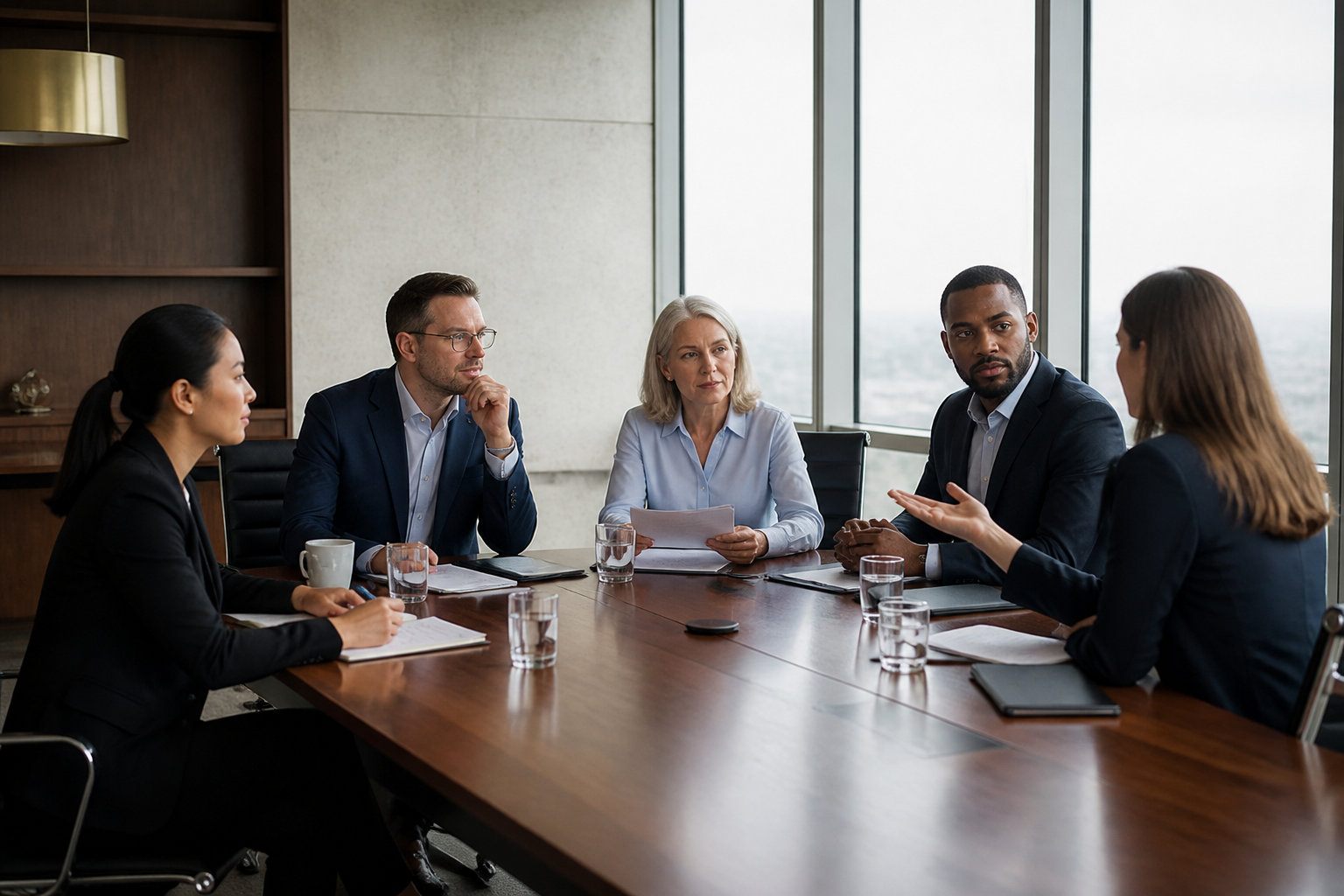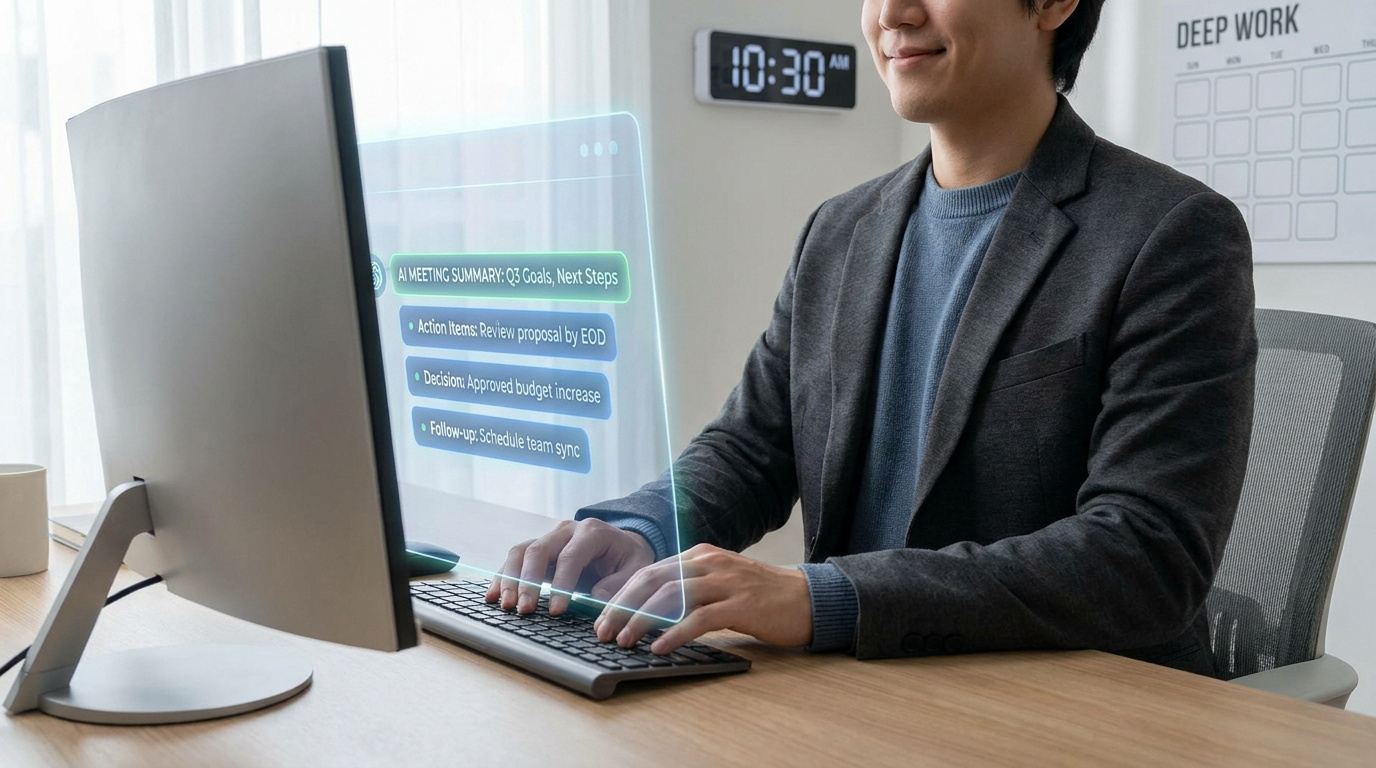
Recent benchmarks indicate that transitioning to asynchronous updates can increase team focus time by approximately 40%. This shift effectively mitigates the cognitive load associated with back-to-back video sessions by replacing routine status reporting with searchable, automated documentation.
Constant interruptions erode productivity, requiring an average of 23 minutes to regain deep work concentration. This article evaluates how to reduce meeting fatigue with ai by deploying automated summaries and decision-making frameworks to reclaim high-value human interaction. We analyze the technical deployment of async-first workflows and the necessary quality controls to ensure organizational accuracy.
- Reduce Meeting Fatigue With AI: Functional Definition
- Meeting Audit: Framework for Calendar Evaluation
- Async-First Culture: AI-Native Workflow Deployment
- Strategic Oversight: Quality Control and Success Metrics
Reduce Meeting Fatigue With AI: Functional Definition
Focus time increases by 40% when shifting to asynchronous updates. AI tools like Claude or OpenClaw automate transcripts and action items, effectively replacing 60% of status-reporting sessions with searchable documentation.
The final mention of documentation leads directly into the logic of choosing between live decision-making and these automated updates.
Synchronous vs. Asynchronous: Decision-Making Logic
Define the boundary for live meetings. Use them only for complex consensus or urgent crises. Everything else belongs in a shared digital thread.
Status updates often drain team energy. Transitioning these to text or recorded clips saves hours. AI can then summarize these inputs for leadership. This shift prioritizes high-value human interaction over routine reporting.
Integrating tools like OpenClaw for AI agents facilitates this transition. It ensures 24/7 availability for data retrieval. This reduces the need for synchronous check-ins.
Zoom Fatigue: Cognitive Load and Remote Productivity
Constant video calls trigger intense mental exhaustion. The brain struggles to process non-verbal cues through a screen. This phenomenon directly erodes the capacity for deep, meaningful work.
High session density fragments the workday. Employees lose the ability to enter a flow state. Protecting focus blocks is not a luxury but a necessity. Companies must limit back-to-back calls to preserve cognitive resources for innovation.
“The cost of a meeting is not just the hourly rate of the attendees, but the cognitive recovery time required afterward.”