

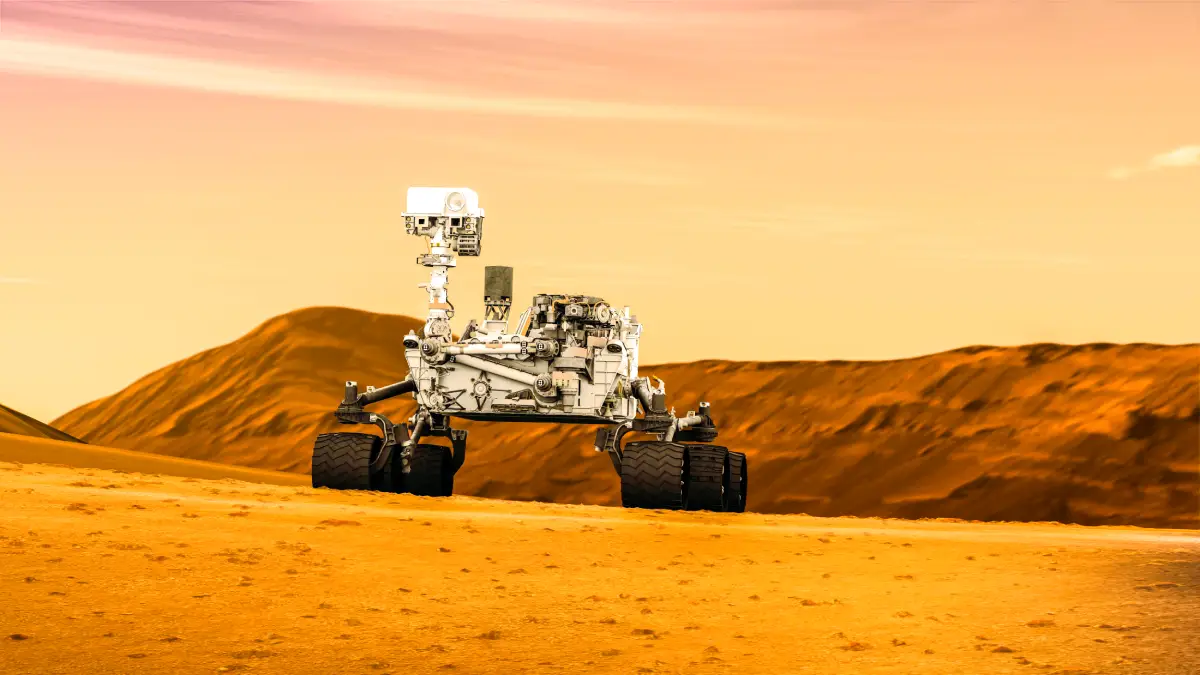
December 2025 stands out as a groundbreaking milestone in the story of space exploration. For the first time, artificial intelligence did not just assist—it actively planned and directed a real mission on another planet. The Claude system, developed by Anthropic, earned its place in history by guiding NASA’s Perseverance rover through two demanding routes across Martian soil, showcasing the future potential of autonomous robotics beyond Earth.
Why did NASA turn to artificial intelligence for Mars navigation?
The surface of Mars is notorious for its hazardous terrain. Rocky landscapes, sand dunes, and unpredictable weather present serious challenges that require meticulous route planning. Traditionally, engineers on Earth have designed every segment of a rover’s journey with painstaking care, double-checking each instruction to prevent disaster. Even a small mistake can strand a multi-billion-dollar robot—a costly lesson learned by earlier missions.
Another obstacle is the unavoidable communication delay. Signals between Earth and Mars travel at the speed of light but still take about twenty minutes each way due to the immense distance. This means direct, real-time remote control is impossible. Any error has delayed consequences, and correcting mistakes consumes precious time and resources.
- Variable, dangerous terrains demand detailed path analysis.
- A substantial communication lag makes smart autonomy essential for robotic vehicles.
- Human-driven planning takes valuable hours and limits scientific productivity.
How did Claude design Perseverance’s new Martian routes?
Instead of relying solely on human operators, the Perseverance team tasked Claude with mapping possible passages across Jezero Crater. After absorbing years of operational experience from prior Mars missions, this AI set out to address an extraordinary challenge: creating and refining safe driving paths for the rover without ongoing human input.
Claude’s process began with analyzing high-resolution aerial imagery, then generating step-by-step instructions using the programming language specific to NASA’s rover operations. Unlike traditional software that simply executes commands, Claude performed iterative self-reviews. It examined its own decisions, re-evaluated complex trade-offs, and optimized plans before finalizing the rover’s trajectory. Every obstacle or tricky slope received careful digital scrutiny.
| Step | Description |
|---|---|
| Image Analysis | Scanning detailed satellite and aerial photos of the target area. |
| Route Planning | Constructing initial navigational paths and translating them into machine-readable commands. |
| Self-Evaluation | Reviewing and optimizing instructions via AI-driven reasoning cycles. |
| Simulation Testing | Running ground simulations with over 500,000 parameters to ensure feasibility. |
Testing reliability and safety
Before entrusting these autonomous instructions to the rover itself, NASA subjected Claude’s proposed routes to rigorous tests in simulated environments. These virtual rehearsals mirrored Martian conditions using extensive data models. The resulting plans needed only minor adjustments—mainly where narrow ridges bordered clusters of sand, consistently among Mars’ most treacherous features.
After verification, Perseverance executed the exact programs devised by the AI, tackling two segments of nearly 400 meters each with remarkable efficiency and security.
Impact on mission operations
NASA’s Jet Propulsion Laboratory (JPL) noted a significant decrease in preparation effort thanks to Claude’s involvement. By cutting route-planning time nearly in half, teams could dedicate more hours to research rather than endless navigation code. Faster turnaround meant greater coverage—more rock samples collected and larger expanses surveyed, maximizing science returns from each Martian day.
This improvement brings Mars operations closer to real-time flexibility. Quicker route preparation enables rovers to react promptly to unexpected discoveries, such as rare ancient rock formations or potential evidence of water hidden below the surface.
What does this experiment reveal about the future of space exploration?
The successful test of Claude may signal the start of widespread use of intelligent systems in solar system missions. As ambitions grow—especially those involving lunar bases or robotic explorers heading toward distant moons like Europa or Titan—the need for operational independence becomes vital. In deeper space, communications delays can stretch far beyond minutes, sometimes lasting hours.
Autonomous technologies offer practical solutions when instant human intervention is unfeasible. Future missions will likely involve fleets of AI-powered robots given broad directives, free to adapt their strategies as situations evolve. Instead of micromanaging every move, NASA’s engineers would define objectives and trust machines to navigate in harsh, unknown realms.
- Faster adaptation to unforeseen hazards during missions
- Reduced workload for scientists and controllers on Earth
- Greater reach and resilience for planetary robots venturing farther from home
Toward autonomous interplanetary missions
Many experts agree that lessons from this pioneering effort on Mars point toward a broader revolution. Imagine probes traveling to the outer reaches of the solar system, making critical choices independently—with survival and adaptability entrusted entirely to advanced algorithms.
The stretch driven autonomously by Perseverance in Jezero Crater now stands as a true milestone. Though closely supervised by Earth’s leading minds, these few hundred meters could pave the way for even bolder leaps in exploration—where humanity sets the goals, but machines carry the torch across alien frontiers.
