

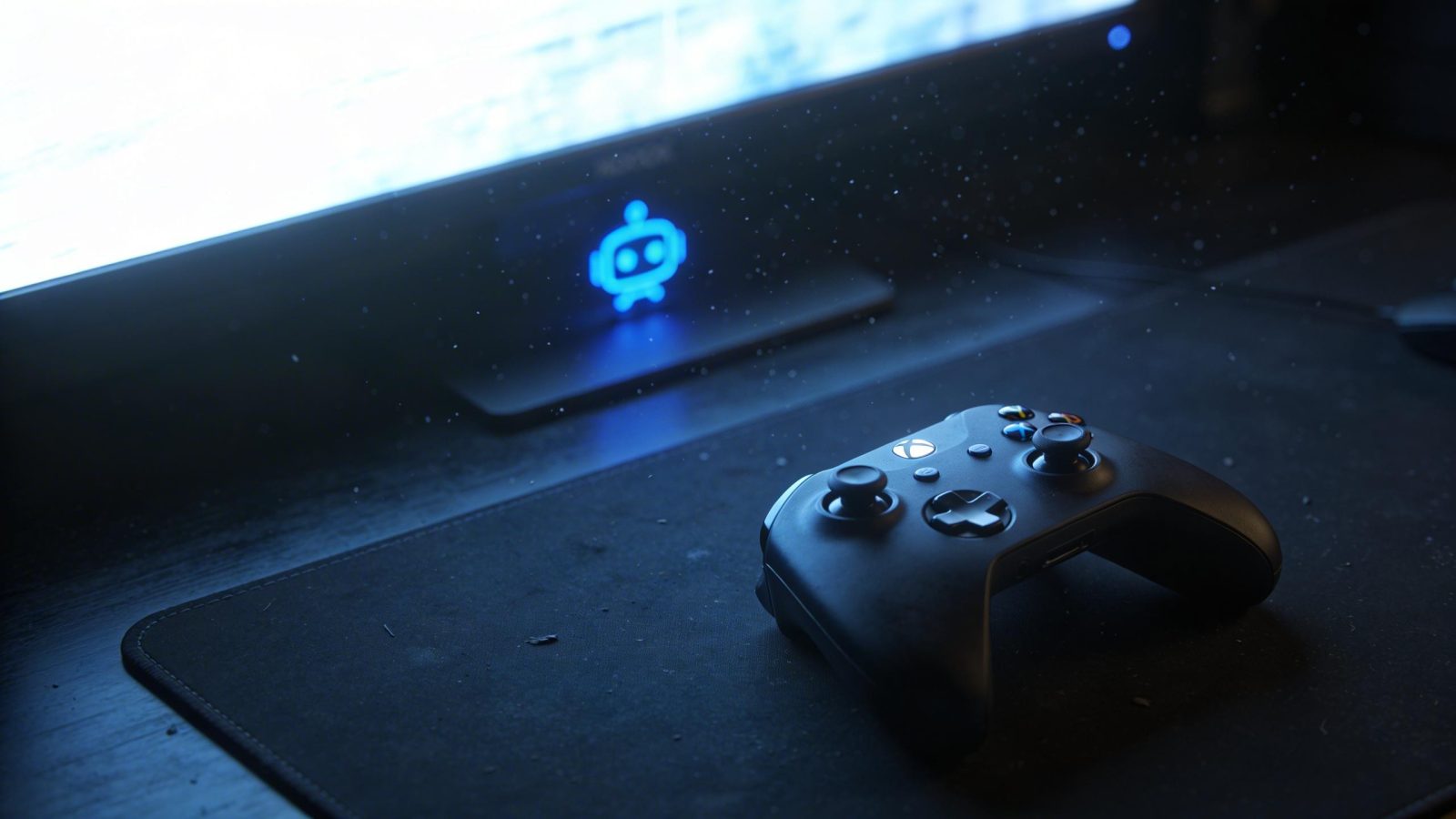
Gaming Copilot has been live for a year. Microsoft announced it’s coming to Xbox Series X|S consoles “later in 2026” at GDC last month, framing a September 2025 product as new. The real story isn’t the console expansion—it’s why a free AI coaching tool with zero friction on PC generated zero traction.
That silence tells you everything about whether gamers actually want this.
A year of silence suggests the market isn’t asking for this
Gaming Copilot launched on PC Game Bar and mobile in September 2025. Beta started March 2025. That’s a full year of availability before Microsoft positioned console arrival as a milestone. No user counts. No viral clips. No Reddit threads dissecting its advice.
Microsoft thanked Xbox Insiders for feedback but published none of it.
The timeline exposes the problem: beta started March 2025, full PC/mobile rollout September 2025, console launch pushed to “later in 2026.” That’s 18+ months from beta to living-room deployment—and Project Helix dev kits (next-gen Xbox) start shipping in 2027. If the AI worked, Microsoft would be racing to get it on current-gen consoles before the hardware cycle ends. Instead, they’re slow-walking it.
The silence around Gaming Copilot mirrors broader voice AI adoption challenges—tools exist, but behavior change lags.
Controller-first AI faces a problem keyboard users already solved
On PC, Gaming Copilot lives in the Xbox Game Bar—one hotkey away, text or voice input, screenshot analysis on demand. On mobile, it’s an app. On ROG Ally, it’s native. All frictionless. All ignored.
Now Microsoft wants to bring it to Xbox Series X|S users who navigate with a controller, not a keyboard. Voice mode becomes mandatory for seamless use, but that assumes gamers want to talk to an AI mid-session. The pitch: real-time coaching (enemy tips, missed loot, NPC backstory), personalized recommendations from your achievement history, game-specific builds and quests.
The reality? If PC gamers with typing speed and dual monitors didn’t adopt it, why would couch players with a controller and a single screen?
Gaming represents a test case for AI coaching high-skill tasks in real time—if it works here, the model scales to work, education, and training. But Microsoft promises “no framerate impact” and “low-latency cloud inference” as if those are selling points. Those are table stakes—not reasons to use it.
The promise of AI-assisted skill development in gaming could preview how we learn complex tasks across industries. Or it could prove that humans don’t want algorithmic coaching when they’re trying to relax.
The honest limitation: Microsoft won’t show you the data
No adoption metrics. No beta tester testimonials. No case studies of gamers who improved with AI coaching.
Microsoft could publish anonymized usage stats, showcase before/after skill improvements, or highlight games where Copilot demonstrably helps. They haven’t. The console launch timing—after Project Helix dev kits start shipping in 2027—suggests Microsoft is already looking past current-gen hardware. If Gaming Copilot were a proven winner, it would be a flagship feature for Xbox Series X|S.
Instead, it’s an experiment that might matter more on next-gen consoles with better AI silicon.
Unlike autonomous AI agents that act independently, Gaming Copilot requires constant user engagement—a friction point Microsoft hasn’t solved. And the company that built GitHub Copilot into a $10 billion business knows how to demonstrate value when they have it.
Microsoft has millions of Xbox users who could get free AI coaching later this year, and a year of PC/mobile availability that produced no evidence anyone wants it. Is Gaming Copilot solving a problem gamers have, or a problem Microsoft thinks they should have? The console launch will decide—but the PC beta already gave us a preview.
