ByteDance rolled out Dreamina Seedance 2.0 globally on April 2, 2026, expanding to Africa, South America, the Middle East, and Southeast Asia after Hollywood backlash forced a March pause—proving copyright pressure couldn’t kill it, just delayed the inevitable.
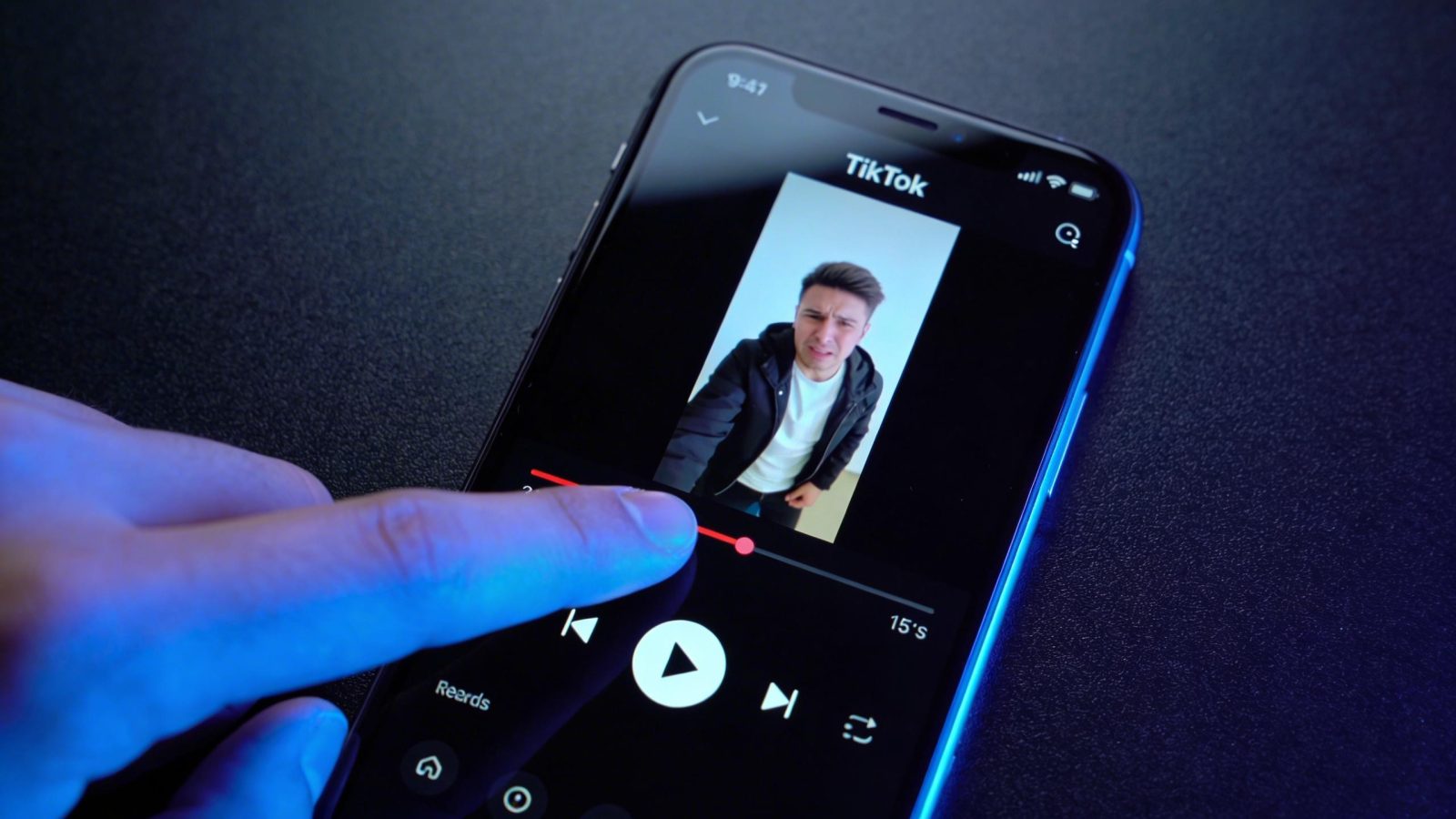
But here’s what the company didn’t advertise: the tool maxes out at 15 seconds per clip, turning ByteDance’s “democratizing pro editing” pitch into a social media toy that can’t handle anything longer than a TikTok without manual stitching.
That’s the whole product.
The 15-second ceiling isn’t a beta constraint—it’s the shipping reality across all five apps where Seedance 2.0 lives: CapCut, Dreamina, Spark, Doubao, and Xiaoyunque. ByteDance’s February 12 launch blog hyped a “substantial leap” in quality over Seedance 1.5, with unified multimodal audio-video generation and state-of-the-art performance in complex motion.
What they didn’t mention: you’re generating shorts, not stories. The six aspect ratios and dual-channel stereo audio are spec-sheet wins that don’t fix the fundamental problem—you can’t make anything longer than a vertical video without splicing clips together like it’s 2015.
The 15-second ceiling nobody saw coming
Most AI video hype assumes unlimited generation. Seedance 2.0 forces creators to stitch.
YouTube creators hyping “INSANE” faceless avatar potential admit “limited generation at the moment” in the same breath, and that limitation isn’t temporary—it’s architectural. This puts Seedance 2.0 in a different category than most AI video generators—it’s built for stitching, not storytelling.
And the phased rollout reveals how little confidence ByteDance has in the product. The March 26 launch hit just seven markets: Brazil, Indonesia, Malaysia, Mexico, Philippines, Thailand, Vietnam.
Then came the March pause after copyright infringement allegations surfaced, delaying the global expansion ByteDance had planned for mid-March. The April 2 rollout to Africa, South America, and the Middle East looks like momentum, but it’s damage control dressed up as scale.
Hollywood’s backlash revealed the IP landmine
The March pause wasn’t a technical delay—it was copyright panic. ByteDance ships invisible watermarks with Seedance 2.0, but Hollywood’s AI backlash proved they’re not enough for commercial safety. Free CapCut users get access, but professionals face a choice: risk infringement or pay for licensed alternatives. The “democratizing pro editing” pitch collapses when you can’t legally use the output for client work.
No named Hollywood executives went on record, but the pause speaks louder than quotes. ByteDance reportedly trained Seedance on massive video datasets without explicit licensing, and the March allegations suggest those datasets included copyrighted material. The company’s response—rolling out globally anyway—signals they’re betting on regulatory arbitrage, not solving the IP problem.
The quality failures that matter more than benchmarks
The technical specs look impressive until you watch what users actually generate. Reports cite mangled text rendering, low-quality backgrounds, incorrect perspective, broken physics, and prompts the model simply ignores.
These aren’t edge cases—they’re the consensus from creators testing the tool in late March. Seedance 2.0 is flooding social media with AI videos, but “shockingly real” doesn’t mean “professionally usable.”
The tool works for faceless YouTube avatars and social media filler. It fails when precision matters. Comparing this to Runway Gen-3, Pika, or OpenAI Sora is impossible without pricing data—none is publicly available for the March-April window—but the quality gap is obvious. ByteDance shipped a social media toy and marketed it as a professional tool.
ByteDance is changing how we create content, but the 15-second ceiling and glaring quality failures suggest AI video generators are still stuck in the “impressive demo, broken product” trap.
The global rollout proves ByteDance can push past Hollywood pressure. It doesn’t prove they’ve built something professionals can actually use.