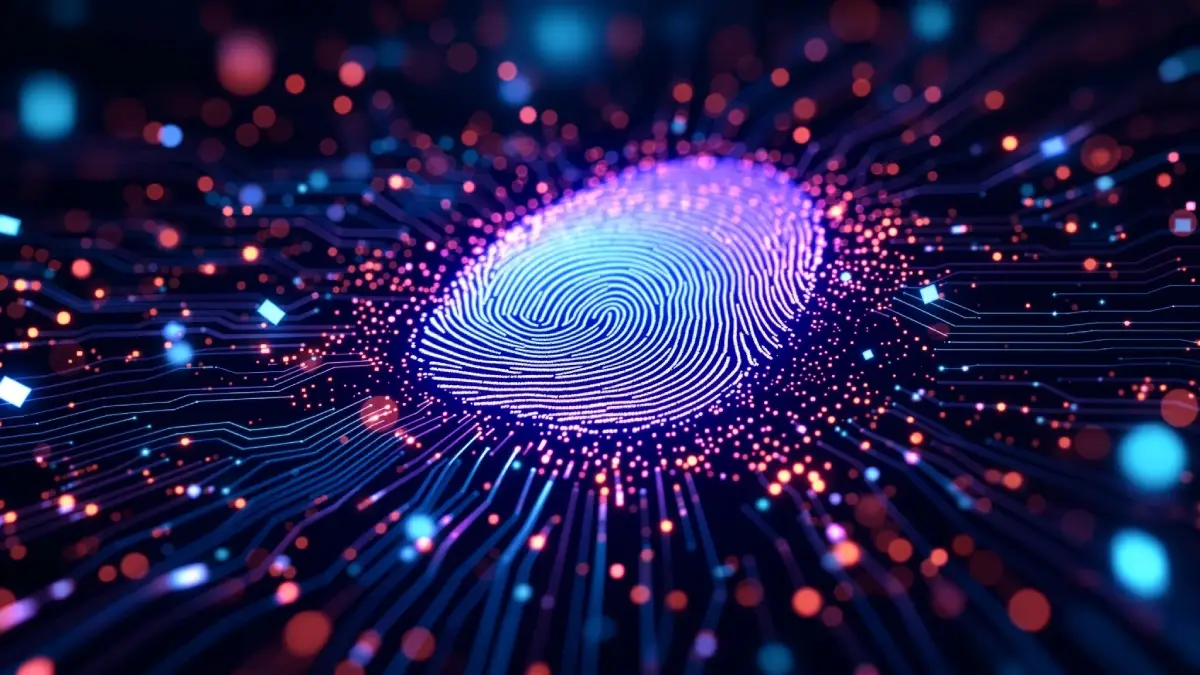
For generations, it has been taught that fingerprints are entirely unique—no two fingers, not even those from a single individual, produce the same pattern. However, recent research powered by artificial intelligence is challenging this long-held belief. By analyzing tens of thousands of fingerprints with advanced computational methods, scientists have uncovered subtle structural similarities among different fingers of one person. These patterns remain invisible to the human eye but become apparent through sophisticated machine learning systems, opening new horizons for biometric security and law enforcement practices.
From forensic tradition to algorithms: how has fingerprint analysis evolved?
Fingerprint identification has stood at the core of modern investigations for more than a century. Traditionally, experts have based their conclusions on ‘minutiae’—tiny details where ridges end or split on the skin’s surface. This process relies on meticulous manual inspections and years of specialist experience.
The standard human approach assumes there is no meaningful connection between impressions left by different fingers of the same suspect. Only when investigators match the exact finger can they make a definitive link. Until very recently, there was little reason to doubt this foundational principle.
What does artificial intelligence add to fingerprint science?
Today, machine learning models are going beyond the traditional minutiae focus. By processing thousands of samples, these models have revealed statistical relationships between the prints of different fingers belonging to one person. While such patterns elude trained criminologists, neural networks detect recurring ridge characteristics, forming digital connections that humans cannot easily identify.
The outcome is striking: AI has managed to connect 77 out of 100 pairs of prints from different fingers of the same individual. For context, previous human approaches offered virtually zero ability for this kind of cross-finger linkage.
How do accuracy rates compare between machines and humans?
This breakthrough is not just statistically impressive; it significantly increases confidence levels in criminal justice applications. Where past experts faced significant uncertainty, advanced AI-driven techniques now offer up to 99.99% certainty when detecting hidden intra-individual similarities.
These results underscore the transformative potential of large training datasets and cutting-edge analysis, especially as AI develops greater capacity to distinguish minute differences in complex images far faster than any group of people could achieve.
Impact on crime scene investigations
With this technological leap, today’s method of analyzing partial prints found at scenes may soon seem outdated. When a thumbprint appears at one location while an index finger impresses elsewhere, police traditionally find themselves unable to establish links without an identical print match. Now, intelligent models could flag these fragments as possibly connected, greatly narrowing investigative choices.
In simulated trials, algorithmic tools reduced pools of 1,000 possible suspects down to fewer than 40 names within seconds—a task that previously required extensive legwork and considerable time.
Table: Comparison of traditional vs AI-based fingerprint investigation
What adjustments might law enforcement require?
Law enforcement agencies will likely need to adopt updated policies and guidelines regarding biometric analysis. Existing procedures may require revision to reflect AI’s capability for broader matching—even in cases involving partial or distorted evidence from several digits.
Introducing such technologies points toward a future where investigation timelines shorten, and unsolved cases gain renewed hope. Faster pattern recognition means fewer dead ends during high-stakes criminal inquiries.
Are there new risks for biometric security systems?
While these enhanced insights promise significant benefits, they also introduce new risks concerning personal privacy. If artificial systems learn signature structures shared across a person’s fingers, hackers could potentially create synthetic fingerprints capable of bypassing current authentication methods.
These vulnerabilities raise urgent questions about the robustness of fingerprint-based locks, payment systems, and digital devices. As the science advances, security professionals must pursue stronger multifactor barriers and tighter safeguards against artificially generated copies.
- Algorithms may identify common ridge structures across various fingers.
- Potential exists for synthetic prints to circumvent security if attackers access ample data.
- The demand grows for continuous innovation in safeguarding biometric data.
Bias and diversity: does AI perform consistently for all users?
Throughout testing, researchers observed slightly higher precision when algorithms trained and then evaluated prints from similar demographic groups. This observation highlights concerns about algorithmic bias, emphasizing the need for diverse datasets to support ongoing development. Otherwise, fingerprint analytics risk unfair outcomes or decreased effectiveness in certain populations.
To ensure reliability and serve justice equitably, teams designing these algorithms should prioritize inclusivity. Comprehensive datasets representing varied backgrounds and ethnicities foster truly universal solutions.
Where does fingerprint technology go from here?
As AI shapes biometrics, both security specialists and investigative authorities encounter fresh challenges and unprecedented opportunities. Collaboration, transparency, and ongoing evaluation remain essential as society navigates the intersection of technology, privacy, and public safety. Innovations emerging from research labs are reshaping daily life faster than many envisioned only a few years ago.
Fingerprints have never revealed so much about identity—or ignited as much debate about trust, ethics, and the boundaries of personal information in our increasingly digital world.