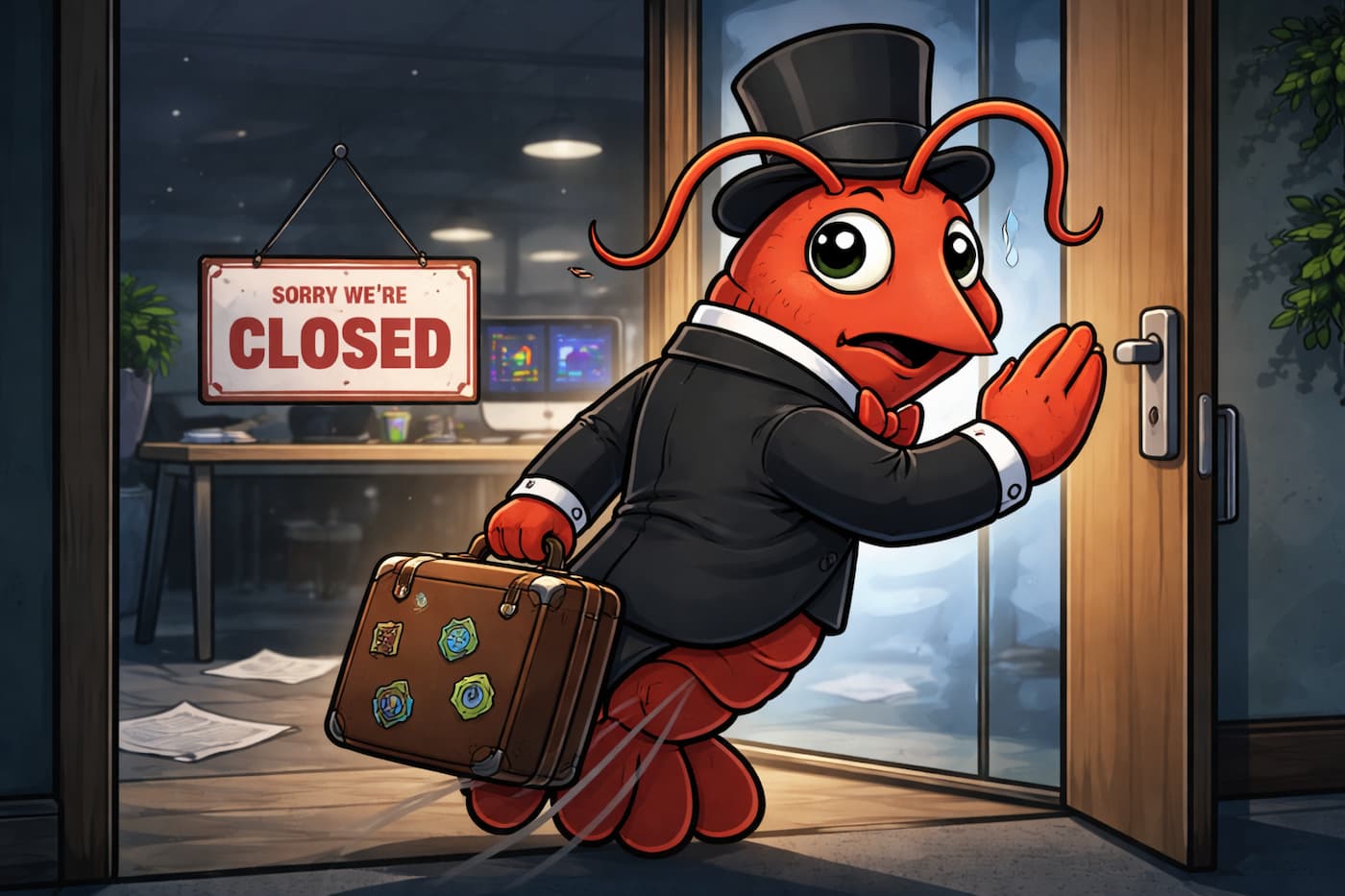
New shell, same lobster soul. Clawdbot just molted into Moltbot — and the internet turned the rebrand into pure cinema.
The AI “space lobster” that helped fuel a mini agent craze is shedding its old identity. In the early hours of January 27, 2026, the project formerly known as Clawdbot announced a rebrand to Moltbot after receiving a polite email from Anthropic requesting a name change (trademark concerns).
The community embraced the metaphor instantly: lobsters grow by molting. So the bot molted too. New shell, same lobster soul.
Why “Moltbot” won?
The rename wasn’t just a cosmetic swap. The project’s lore frames Moltbot as a “transformation machine”: a creature that grows by shedding constraints, carrying its identity forward even as the shell changes.
Supporters also highlighted the agent’s larger working context — a playful nod to being “bigger on the inside” (the community keeps citing massive context windows as part of the appeal).
At around 5am, Discord lit up with hundreds of name suggestions — from “Shelldon” to “Thermidor” — before Moltbot emerged as the clear winner. The lobster mascot itself also got a new name: Molty.
The chaos of a viral rename
Rebrands are usually boring.
This one wasn’t. As handles and usernames started changing in real time, automated “sniper” bots reportedly grabbed newly freed accounts within seconds — turning a simple rename into an instant security and reputation risk.
- Handle sniping: the moment the X handle changed, automated accounts allegedly grabbed the old
handle and posted crypto wallet details — the classic squatter playbook. - GitHub collateral damage: in the scramble, the creator reportedly renamed the wrong account,
leading to another bot-driven takeover attempt on the original username. - Impersonation scams: fake “developer” profiles appeared, claiming leadership titles to push
pump-and-dump tokens and ride the hype cycle.
The creator’s reaction, according to the community log: “this is cinema” !
It was meme-worthy — but it also highlighted a real lesson: when an open-source project has momentum, a rename can instantly become an attack surface.
From lore to lessons: why this story matters
Under the jokes about exfoliating Daleks and cursed lobster avatars, there’s a serious subtext: the more a tool becomes a “brand,” the more it attracts opportunists.
The Moltbot incident shows how quickly a community can be targeted the moment identity signals (handles, org names, icons) become valuable.
Practical safety checklist for any project rebrand
If you run a community project (or you’re about to rename one), this is the part worth copying:
- Pre-secure handles: reserve likely variants on X/GitHub/Discord before announcing anything.
- Pin verification posts: publish a signed “official links” post and pin it everywhere.
- Lock down org access: require 2FA, review owners/admins, rotate tokens, audit integrations.
- Warn users early: scams spike during transitions; tell people what you will never DM for.
- Update docs fast: README, install commands, package names, and redirects should be immediate.
- Monitor impersonators: set up alerts for lookalike usernames and repo forks.
The “Moltiverse” era
The community is now leaning into the rebrand as a broader identity: the “Moltiverse,” a playful ecosystem where AI agents “molt” into improved versions over time, storing memory in markdown files and operating through instruction docs like AGENTS.md, USER.md, and a tongue-in-cheek identity file named SOUL.md.
Whether you see Moltbot as a serious agent framework or peak internet lore, the punchline stands: the shell changed, the soul didn’t — and the rebrand revealed how fragile online identity can be when bots, scammers, and hype collide.
Tip for editors: If you have the original Discord log or announcement post, embed it in-line. Rebrands spread fast — receipts help readers avoid impostors.