
Does your professional content risk being flagged by algorithms despite its quality? Detection tools often penalize technical clarity, mistaking structured prose for robotic output.
Standard detectors identify statistical patterns in sentence length and vocabulary predictability. This article evaluates specific manual techniques and automated humanizers to bypass ai detection professional writing by restoring natural linguistic variance. We analyze how to break mathematical patterns through lexical diversity and rhythmic shifts to ensure content authenticity.
- Logic and Mechanics of Bypass AI Detection Professional Writing
- 3 Manual Editing Techniques for Human Authenticity
- How to Select Effective AI Humanizer Software?
- Advanced Verification and Prompting Workflows
Logic and Mechanics of Bypass AI Detection Professional Writing
AI detectors identify statistical bursts and uniform sentence lengths. Bypassing requires breaking these mathematical patterns through high lexical diversity and irregular rhythmic structures that mimic human cognitive unpredictability. This mathematical predictability is the core weakness of LLMs, leading us directly into how algorithms spot these robotic footprints.
Perplexity: A measure of how predictable a text is to a language model.
Burstiness: The variation in sentence length and structure throughout a document.
Decoding Pattern Recognition and Predictability
Detectors calculate the most likely next word. Perplexity measures vocabulary randomness. Machines flag text when choices remain statistically probable.
Robotic syntax follows rigid subject-verb-object patterns. Human writing drifts toward irregular structures. Emotional or complex thoughts naturally disrupt these sequences.
Breaking these sequences is vital. It forces detection algorithms to fail.
Limitations of Modern Detection Algorithms
False positives remain a significant problem. Technical writing often triggers flags by using standard industry terms. The case from AI Detector Reliability: Lessons From a Historical Text proves even the Declaration of Independence can be flagged.
Algorithms struggle with short text samples. Large datasets are required to establish statistical probability. Small snippets lack sufficient patterns for reliable classification.
Detectors are probability calculators. They possess significant margins of error.
3 Manual Editing Techniques for Human Authenticity
But math isn’t enough; you need a pulse, so let’s get hands-on with manual editing.
Injecting Precise Personal Anecdotes and Voice
AI cannot invent real, lived experiences. Adding specific details about client meetings or personal failures grounds text in reality. These moments prove human origin.
Use strong verbs for these moments. A personal voice creates a unique fingerprint. No algorithm replicates this without a history.
Varying Sentence Rhythm and Syntactic Structure
Mix short, punchy sentences with longer ones. This creates “burstiness” that detectors struggle to track. Avoid medium-length traps. Effective variation includes:
- Short sentences for impact
- Long sentences for detail
- Mid-length for transitions
Use punctuation to disrupt flow. A well-placed semicolon adds a human touch. How to bypass ai detection in professional writing requires this rhythm.
Lexical Diversity and Domain-Specific Nuance
Swap generic terms for industry jargon. Use “optimized conversion metrics” instead of “good results.” This increases perplexity scores significantly. Specificity signals expertise.
“True lexical diversity isn’t about using big words, but about using the right words that a machine wouldn’t expect in that specific context.”
Precise terminology reflects authority. Machines struggle with nuanced applications. Use domain-specific terms to reinforce credibility.

How to Select Effective AI Humanizer Software?
Sometimes manual work takes too long, so you might look at automated tools to speed things up.
Evaluating Rewriting and Paraphrasing Platforms
Select tools providing diverse modes like creative or academic. Effective humanizers restructure thought processes rather than swapping synonyms. Specialized performance is documented in the Walter Writes Review (2026). These platforms ensure professional standards remain intact.
| Tool Name | Key Feature | Detection Bypass Rate | Best For |
|---|---|---|---|
| Walter Writes | Smart Restructuring | 99.8% | Professional Publishers |
| Claude Humanizer | Nuanced Tone Shift | 95% | Creative Content |
| Wikipedia-based tools | Fact-Density Focus | 85% | Informational Articles |
| Grammarly AI | Style Integration | 60% | General Business Writing |
Utilizing “rage prompts” often yields superior results. This technique is explored in Why “Rage Prompts” Get Better Answers From ChatGPT.
Maintaining Clarity After Automated Humanization
Automated software occasionally generates illogical phrasing. Reading output aloud identifies broken logic. Never prioritize a detection score over coherent meaning. How to bypass ai detection in professional writing requires maintaining total narrative control.
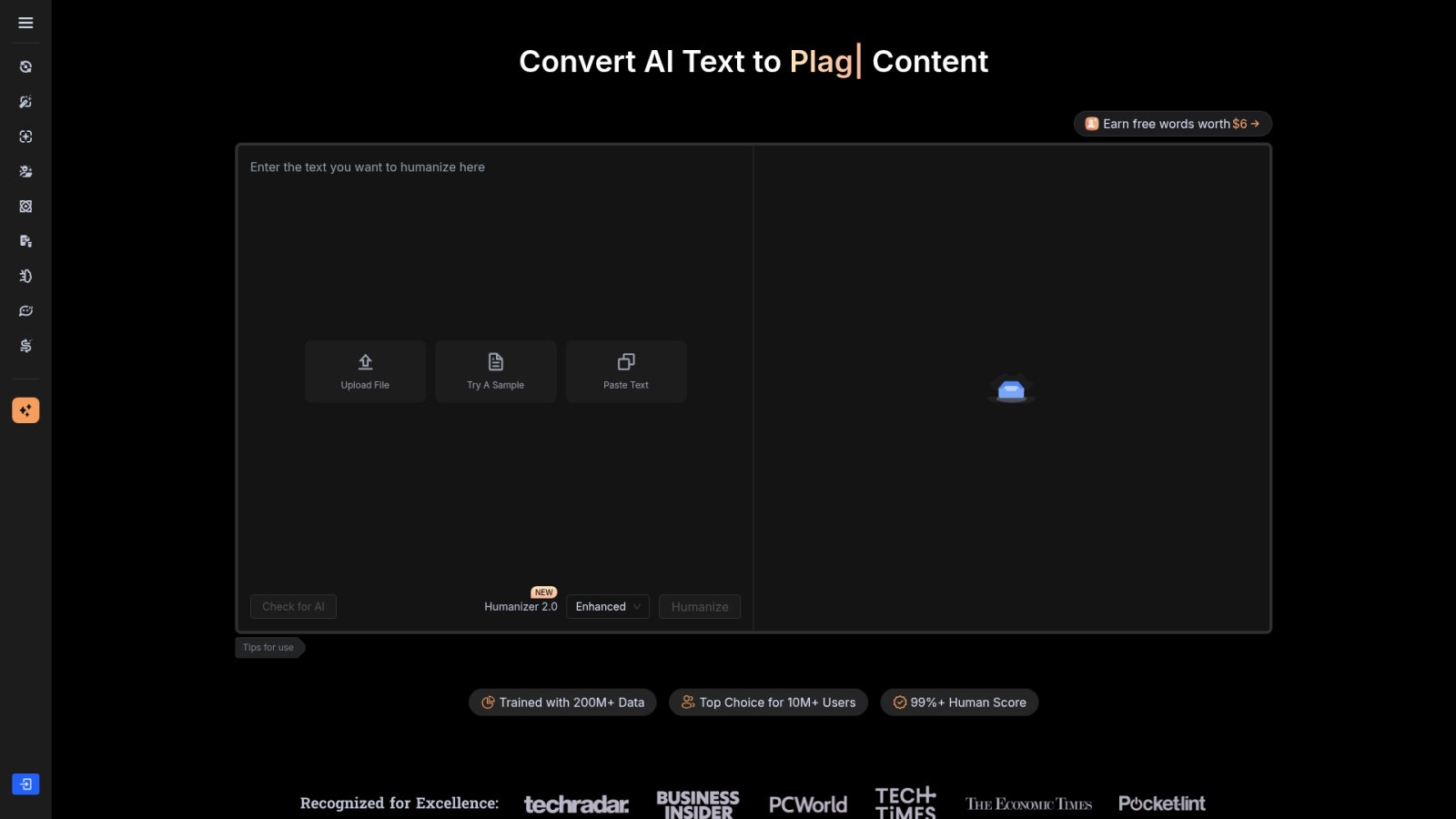
Confirm the tool avoids verbatim source replication. Some paraphrasers trigger plagiarism filters by staying too close. Execute a final scan through dedicated plagiarism software. This step protects professional integrity and ensures unique content delivery.
“A document that passes detection but loses its professional essence is a failure of communication, not a victory over technology.”
Advanced Verification and Prompting Workflows
Beyond simple tools, the real pros use advanced workflows to stay ahead of the curve.
Engineering Prompts for High Perplexity Drafts
Start with a prompt that demands a specific persona. Tell the AI to use bursty sentence structures and avoid common clichés. This reduces the work needed during the editing phase. Reference Claude Humanizer Workflows for inspiration.
Use counterfactual reasoning in your prompts. Ask the AI to argue against a common belief. This forces it to use more complex and less predictable language patterns.

Effective prompting involves these specific constraints:
- Define a unique persona
- Request specific sentence lengths
- Prohibit common AI transition words
Managing Multi-Platform Testing and False Positives
Never rely on just one detector. Test your content across at least three different platforms. Each algorithm has different weights for perplexity and burstiness.
If you get a false positive, identify the specific paragraph causing it. Often, it is a single list or a repetitive section. Refer to Best AI Detectors in 2026 for tool selection.
- Generate draft with specific persona prompts.
- Test across three different detectors (e.g., GPTZero, Copyleaks, Originality.ai).
- Identify and rewrite specific paragraphs causing high detection scores.
- Document research and drafts as proof of human origin.
Document your writing process. If an editor flags your work, showing your research and drafts proves human origin.
Stay vigilant. Detection technology evolves every week. Your workflow must adapt too.
Mastering bypass ai detection professional writing requires breaking mathematical predictability through high lexical diversity and irregular sentence rhythms. Implement specific industry jargon and personal anecdotes to ground content in human authenticity. Immediate application of these workflows ensures professional integrity and sustained visibility in an evolving algorithmic landscape.
FAQ
How do automated detectors identify AI-generated professional content?
Detection algorithms analyze statistical patterns, specifically focusing on perplexity and burstiness. Perplexity measures the randomness of word choices, where AI typically selects the most predictable next token, while burstiness evaluates the variation in sentence structure and length throughout a document.
Machines flag content that displays uniform rhythmic structures and low lexical diversity. Professional writing produced by AI often follows a rigid subject-verb-object pattern, lacking the irregular cognitive unpredictability inherent in human thought processes.
Which manual editing techniques effectively bypass AI detection?
Injecting personal anecdotes and specific lived experiences is a primary strategy, as AI cannot synthesize authentic human history. Grounding a text with precise details from client meetings or unique professional failures creates a distinct “human fingerprint” that algorithms fail to replicate.
Varying sentence rhythm is equally critical. Writers should mix short, punchy statements for impact with longer, descriptive sentences to increase burstiness. Utilizing domain-specific jargon and counterfactual reasoning, arguing against common beliefs, further elevates the perplexity score beyond the reach of standard detectors.
Why does professional technical writing often trigger false positives?
Technical and academic documents frequently use standardized industry terminology and formal syntax, which algorithms interpret as predictable. This leads to false positives, where human-authored content, such as the Declaration of Independence, is incorrectly flagged as machine-generated due to its low perplexity score.
Detectors also struggle with short text samples, requiring larger datasets to establish statistical probability. Furthermore, non-native English speakers or neurodivergent writers may be flagged more often because their structured use of language mimics the repetitive patterns these tools are programmed to identify.
What are the top-rated AI humanizer tools for 2026?
Specialized platforms like Walter Writes and Undetectable AI are engineered to restructure robotic syntax while maintaining professional meaning. These tools offer various modes, such as creative or academic, to ensure the output aligns with the intended audience and bypasses detectors like GPTZero or Originality.ai.
Other notable options include Claude Humanizer for realistic voice replication and HIX Bypass, which supports over 50 languages. Selection should be based on the specific requirement for bypass rates, linguistic support, and the ability to maintain clarity without producing “word salad.”
How can prompt engineering reduce the need for post-generation editing?
Effective workflows begin with prompts that demand a specific persona and prohibit common AI transition words. Instructing the model to use “bursty” structures and avoid clichés significantly reduces the robotic footprint during the initial draft phase.
Advanced users employ “rage prompts” or counterfactual instructions to force the AI into complex, less predictable language patterns. Defining unique sentence length requirements and requesting specific lexical nuances at the start ensures a higher perplexity score before manual verification begins.
What is the best workflow for verifying content authenticity?
Content should be tested across at least three different detection platforms to account for varying algorithmic weights. If a document is flagged, identifying the specific paragraph causing the issue allows for targeted manual rewriting rather than a full document overhaul.
Maintaining a documented research and draft process serves as a final safeguard. As detection technology evolves weekly, staying vigilant and adapting workflows is necessary to ensure professional content remains both high-quality and undetectable by probability calculators.