

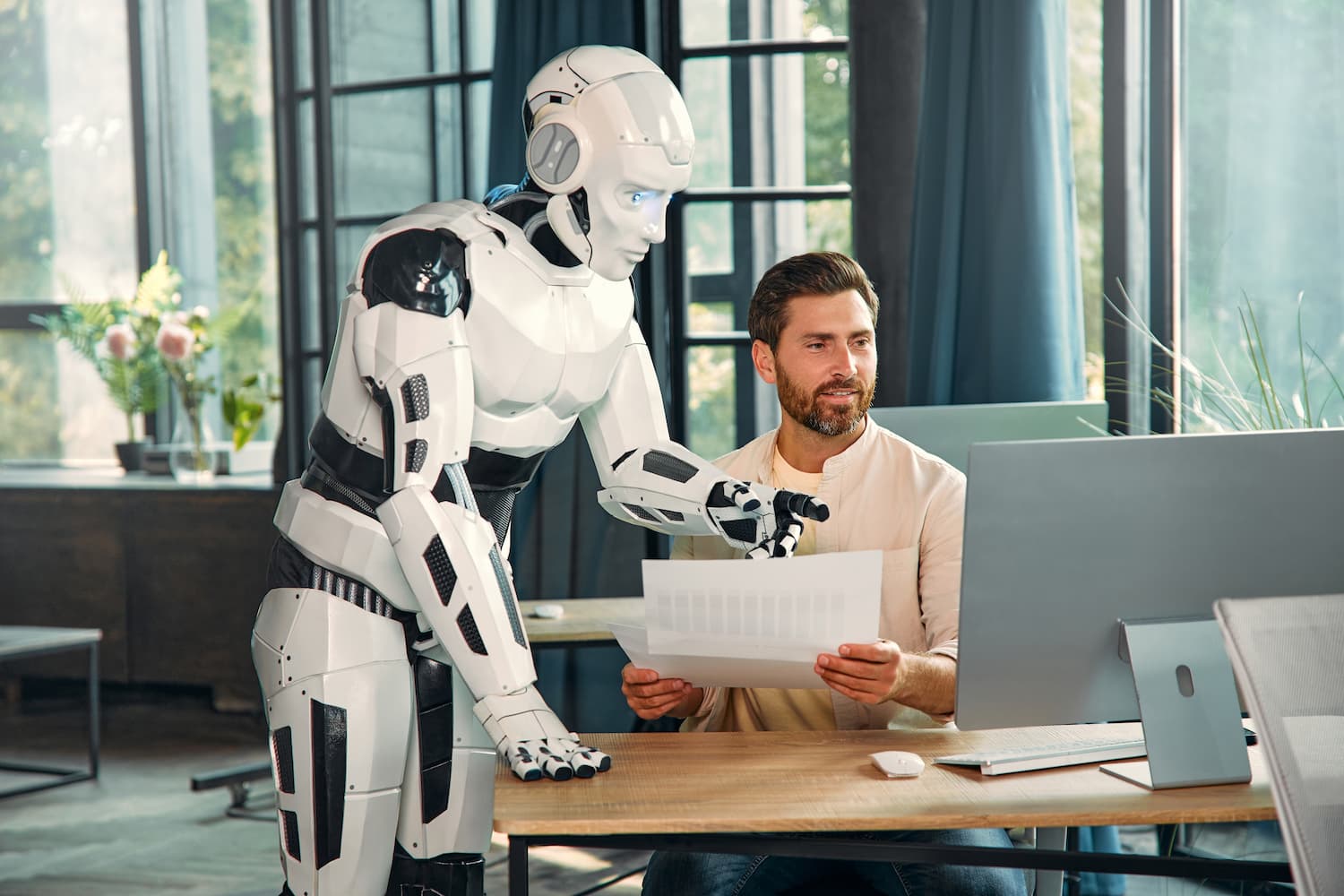
Artificial intelligence (AI) frequently sparks debate about the future of jobs and workplace satisfaction. Many organizations adopt AI with the expectation that daily tasks will become simpler and less repetitive. However, a closer look—especially through the observations of two Berkeley researchers—reveals a different reality. Instead of reducing workloads, AI often amplifies job demands in unforeseen ways. What fuels this paradox? It is worth exploring how AI is truly transforming everyday professional routines.
AI as an accelerator of workload
The initial promise seems straightforward: AI automates repetitive chores, theoretically freeing up precious time for employees. Yet, in practice, these newly available hours rarely translate to lighter days or more relaxation. Employees frequently use that reclaimed time to tackle extra responsibilities, many of which previously fell to external partners or were postponed until absolutely necessary.
The result is a growing list of duties, causing boundaries between roles to blur. For developers and engineers, this means not only managing their core technical projects but also reviewing and correcting code produced by colleagues leveraging AI. This cycle turns minor requests into a mounting stack of obligations, pushing staff well beyond familiar territory.
Shifting rhythms: New patterns in downtime and multitasking
With digital tools always within reach, office habits are evolving rapidly. A striking effect emerges: instead of taking true breaks during slower moments, many employees remain engaged—tweaking prompts or submitting last-minute AI queries just before finishing their day. The perception that instructing AI is effortless allows some workers to feel productive even when winding down.
This blend of AI tool management and traditional assignments creates new patterns. Employees regularly juggle several processes at once, feeding information to algorithms while responding to emails, attending meetings, or completing other tasks. While this multitasking might appear efficient, it divides attention and introduces fresh distractions throughout the workday.
- Employees channel time saved by automation into tackling deferred or additional assignments
- Teams take on increased oversight, monitoring the accuracy of AI-generated results
- Prompting AI for quick outcomes feels easy, encouraging constant small tasks
- Handling multiple AI requests at once leads to increasingly fragmented days
Long-term consequences on wellbeing and productivity
While initial productivity spikes may convince employers that AI brings only benefits, longer-term risks soon emerge. Expanding job scopes can lead to elevated stress levels and fatigue. Rapid-fire expectations, driven by swift AI outputs, make it harder for professionals to pause or fully disconnect after hours.
Persistent multitasking gradually chips away at concentration, resulting in greater exhaustion and potential burnout. As digital tools enable near-constant reachability, defining clear boundaries becomes increasingly complicated. Over time, pressure mounts—even if efficiency statistics suggest otherwise.
Practical safeguards organizations should consider
To meet these emerging challenges, experts recommend concrete strategies for leaders and HR teams. Introducing intentional pauses before launching major initiatives helps prevent runaway overwork. Breaking complex objectives into structured phases—from research to execution—enables teams to spread effort evenly and avoid overwhelm.
Crucially, fostering genuine face-to-face collaboration, even in technology-driven environments, offers vital support. Meaningful human interaction provides perspective and emotional grounding that digital tools cannot replicate. Organizations prioritizing open dialogue over digital noise typically enjoy more sustainable engagement among their workforce.
Task management becomes critical as AI multiplies rather than replaces essential activities. Without clear priorities or direction, employees quickly encounter bottlenecks and duplicated efforts. Cultivating a culture of structured sequencing and transparent communication shields teams from overload and confusion.
Regularly scheduled breaks and respect for individual limits help counterbalance AI’s relentless push for immediate action. Thoughtful workflow planning keeps departments aligned and motivated, even as technological advancements continue at a rapid pace.
Meanwhile, human connections deliver what AI never can. Colleagues bring empathy, context, and camaraderie—qualities machines lack. Whether through a manager’s supportive check-in or a spontaneous brainstorming session, such interactions inject variety and emotional energy into demanding schedules. Informal exchanges like coffee chats or team retrospectives build resilience and remind everyone there is more to work than metrics and deadlines.
Rethinking progress: Is more technology always better?
The rise of AI compels organizations to reconsider what genuine progress means. While digital platforms provide shortcuts, they also encourage cycles where each minute saved is filled with new obligations. Relief remains elusive when adoption outpaces thoughtful integration.
For decision-makers, tracking both performance data and personal experiences paints a fuller picture. High output numbers may conceal rising frustration or mental strain. Only by balancing digital innovation with people-centered practices can businesses secure lasting advantages—and avoid common pitfalls—as the workplace continues to evolve.
