

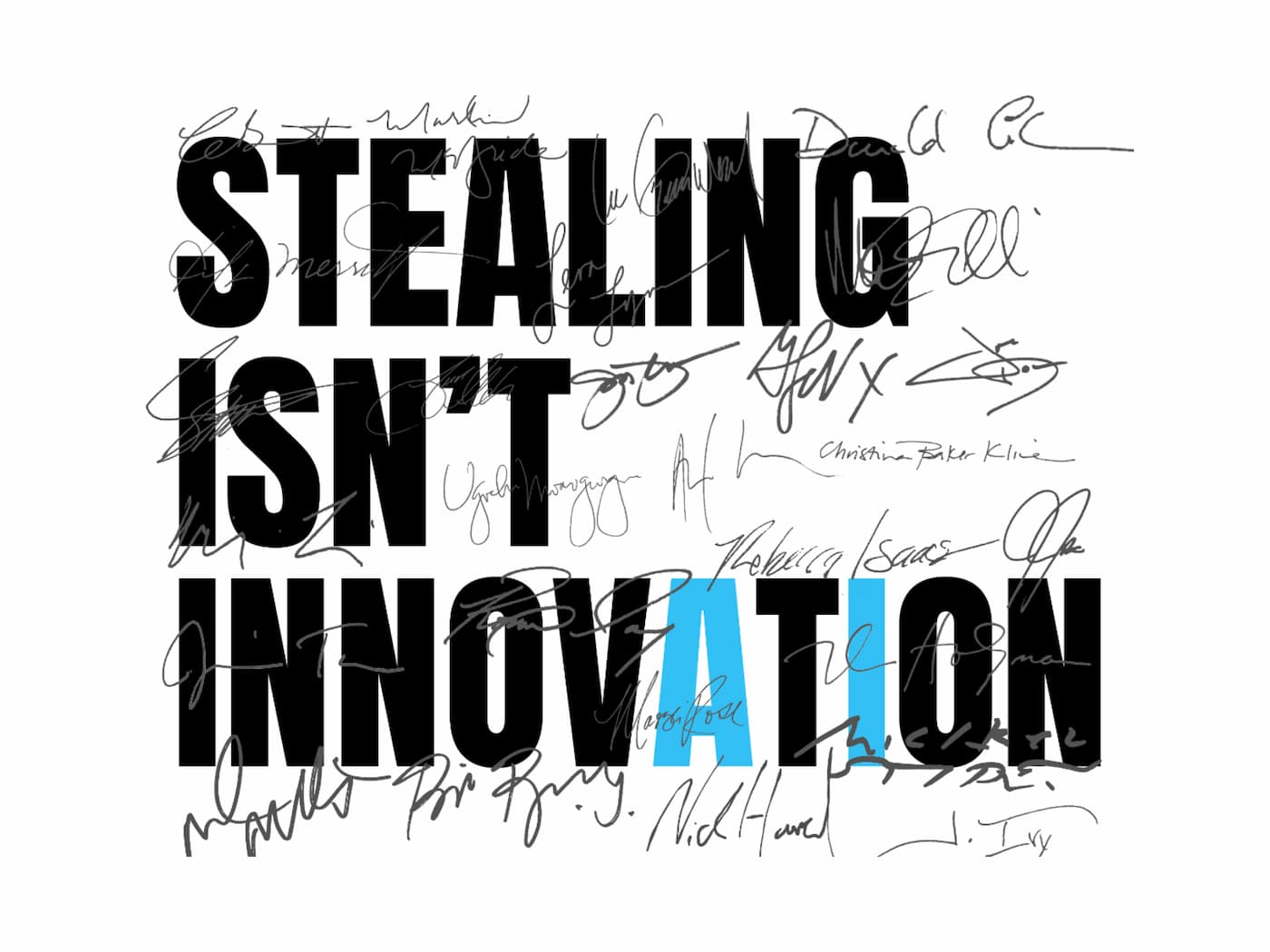
The creative world is abuzz as artificial intelligence increasingly draws from the works of human creators without their explicit consent. More than seven hundred prominent figures—including actors, novelists, and musicians—have recently mounted a collective protest to make their stance unmistakable. Their central grievance is clear: using creative work to train AI, without permission or compensation, amounts to theft and poses a significant threat to the entire artistic ecosystem.
Why are so many artists pushing back against AI?
A single declaration, gathering over seven hundred signatories, captures the anger and concern animating today’s creative community. Major actors, literary voices, and music legends have united in a manifesto demanding respect for creative rights. Their frustration goes beyond the mere existence of machine-generated content. The core issue lies in the way technology companies—often with powerful investors—sweep up vast libraries of artwork, books, and recordings to fuel their algorithms, sidestepping both permissions and fair remuneration.
Famous personalities from cinema, literature, and music have joined forces, lending visibility to a problem embedded within the fast-evolving landscape of generative AI. As AI-generated songs, images, and texts flood social media and streaming platforms, many see an underlying injustice being perpetuated. There is a growing conviction that innovation should not come at the expense of those who create culture in the first place.
What does the artists’ joint statement call for?
The protesters’ demands crystallize into three principal requests designed to safeguard creative work for the future. First, they seek fair licensing agreements that ensure authorization and compensation whenever original content is used by AI developers. They also call for stronger legal tools to enforce these agreements effectively. Finally, creators insist on having the right to explicitly refuse the use of their material in AI development—a principle they believe must be protected beyond negotiation.
While advocating reform, the group acknowledges some progress within the tech industry. Several AI companies now negotiate directly with writers, producers, or record labels before utilizing copyrighted work. This shift toward formal deals suggests the possibility of productive cooperation. Nevertheless, creatives remain wary about widespread noncompliance, the rise of deepfakes, manipulated voices and images, and what they describe as “AI slop.” Such terms highlight concerns over the proliferation of uninspired, synthetic content diluting authentic cultural production across digital spaces.
How are current AI practices affecting creative industries?
Unchecked harvesting of artistic output has direct effects that go far beyond theoretical debates about intellectual property. Music tracks, literary passages, photographs, screenplays, and even vocal signatures risk being remixed, reshaped, or mimicked by algorithmic tools with little regard for origin or context. This process undermines both reputation and livelihood, while also eroding the foundation of trust between audience and creator.
Recent controversies amplify these anxieties. Deepfake versions of famous voices, unauthorized replicas, and garbled fusions of style spread rapidly online, fueling misinformation and confusion. Copyright infringement suits are mounting, often forcing creators into lengthy legal battles dominated by large tech firms’ resources. Instead of fostering healthy competition or mutual inspiration, the unchecked growth of generative AI has created divisions between innovators and the very artists who laid the groundwork for cultural progress.
Can negotiation offer common ground?
Despite rising tensions, there are signs of progress. Certain tech start-ups are beginning to recognize the importance of ethical collaboration and transparency. Formal partnerships can strike a balance—promoting technological innovation while respecting copyrights. For instance, record companies may grant access to select catalogues under strict conditions, and publishers might negotiate tailored licenses defining exactly what AI systems are permitted to learn and generate. These carefully structured agreements point to a possible middle path.
Both camps acknowledge that the real challenge lies in determining where inspiration ends and appropriation begins. Advocates for collaborative solutions argue that robust licensing arrangements benefit everyone: developers gain valuable data for improved AI systems, while creators retain agency and economic reward for their efforts. Many hope that clear contracts and strong technical safeguards may one day become industry standards, allowing AI to expand knowledge without hollowing out the culture it emulates.
The artists’ core priorities at a glance
- Establishing transparent, fair licensing systems for all creative contributions used in AI.
- Empowering creators with straightforward legal tools to hold infringers accountable.
- Guaranteeing every artist’s right to deny use of their work for AI training purposes.
These priorities echo throughout the campaign and offer a concrete checklist for policymakers and developers seeking responsible ways forward. Concentrating on effective compromise helps protect shared interests rather than prioritizing short-term technological gains.
Current state of negotiations and examples of real-world impact
| Area | Issue observed | Recent changes |
|---|---|---|
| Music licensing | Unauthorized sampling of tracks by AI | Large labels negotiating data-sharing deals with certain AI companies |
| Literature and writing | Texts absorbed by models without attribution | Authors’ guilds pressing for opt-out choices and compensation |
| Visual arts | Images reused without credit in AI outputs | Artists collaborating on copyright protection technology |
This landscape illustrates how interactions among creators, technology, and commerce are evolving. Transparent agreements and flexible legal frameworks appear poised to play pivotal roles in shaping the creative economy of tomorrow.
