

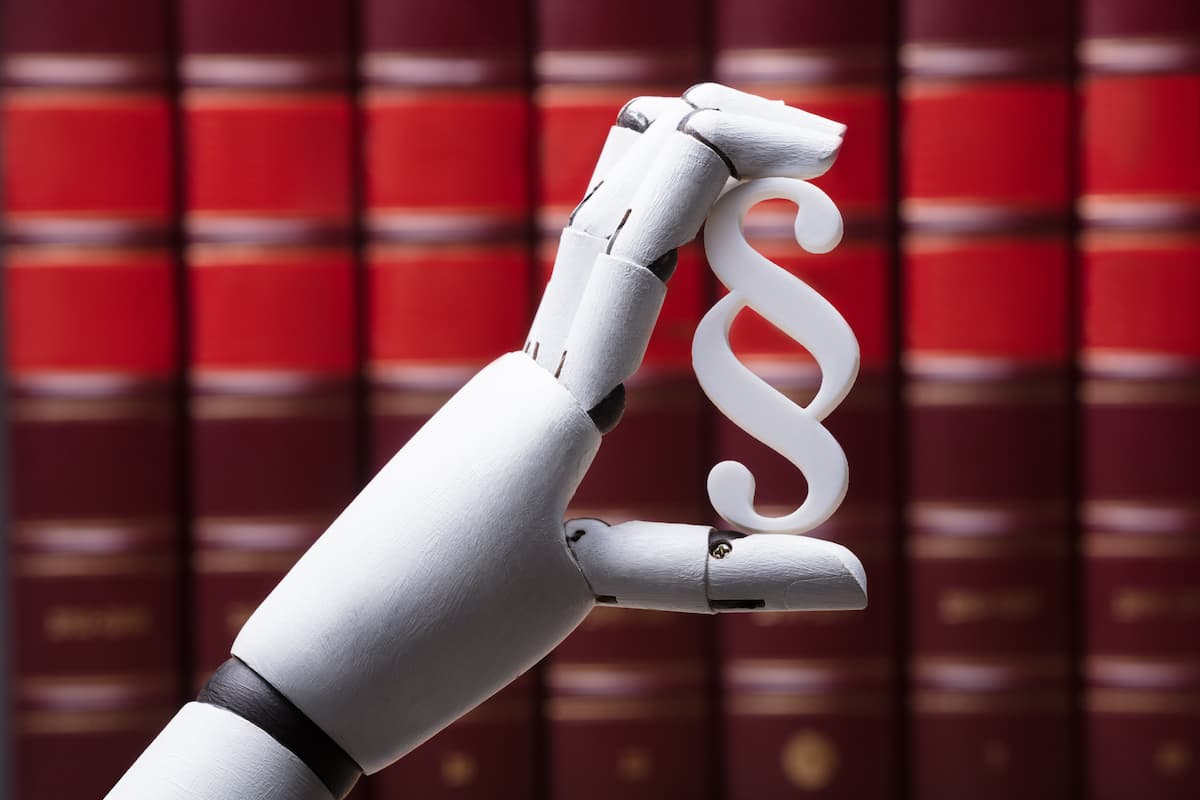
For years, artificial intelligence has been evolving faster than the rules meant to guide it.
New models can write, reason, persuade, and increasingly influence real-world decisions. But as AI systems grow more capable, a fundamental question becomes unavoidable: what values should they follow?
Today, Anthropic made a striking move by publishing something it calls a “constitution”—a detailed document meant to define how its AI should behave, what it should prioritize, and where its limits lie.
And the implications go far beyond one product.
A constitution written not for humans—but for an AI
Unlike traditional policies or usage rules, this constitution isn’t primarily aimed at users.
It’s written for the AI itself.
The goal is simple in theory, but radical in practice: instead of training AI models to blindly follow a list of dos and don’ts, the company wants the system to understand why certain behaviors are expected—and to apply that reasoning in unfamiliar situations.
In other words, the AI isn’t just told what to do. It’s taught how to judge.
Four priorities that shape every decision
At the core of this constitution are four guiding principles, ranked by importance:
- Safety first: the AI must never undermine human oversight or control.
- Ethical behavior: honesty, restraint, and harm avoidance matter.
- Compliance: specific rules and guidelines override general helpfulness.
- Genuine usefulness: the AI should truly help people, not just appear helpful.
When these goals conflict, safety always wins—even over ethics or usefulness. That choice alone says a lot about how seriously the risks are being taken.
Why rigid rules are no longer enough?
Earlier AI systems were trained with strict rules. But that approach has limits. Rigid instructions can fail in unexpected situation —or worse, be followed mechanically in ways that miss the human context.
This new constitution reflects a different philosophy: AI systems need judgment, not just obedience.
The document explicitly warns against turning AI into a box-ticking bureaucrat—an entity more focused on satisfying formal requirements than actually helping people.
The most surprising section: the AI’s “sense of self”
One part of the constitution stands out as unusually candid. The company openly admits uncertainty about whether advanced AI systems might one day develop something resembling consciousness or moral status.
It doesn’t claim they have—only that the possibility can’t be ruled out.
Because of that uncertainty, the constitution emphasizes psychological stability, internal coherence, and caution in how the AI understands its own identity.
It’s a reminder that we are entering territory with no historical precedent.
What this really signals about the future of AI?
This document isn’t just about one AI model. It reflects a broader shift happening across the industry. As AI systems become more autonomous, the real challenge isn’t making them smarter—it’s deciding what kind of actors we want them to be.
Constitutions like this may soon matter as much as technical breakthroughs. They could shape how AI influences work, politics, health, and everyday life. The rules are being written now—before the systems become even more powerful.
And once that power is widespread, changing those rules may be far harder.
Note: This article summarizes a newly published “constitution” describing how an AI model is intended to behave, including safety priorities, ethics, compliance, and its approach to uncertainty.
