

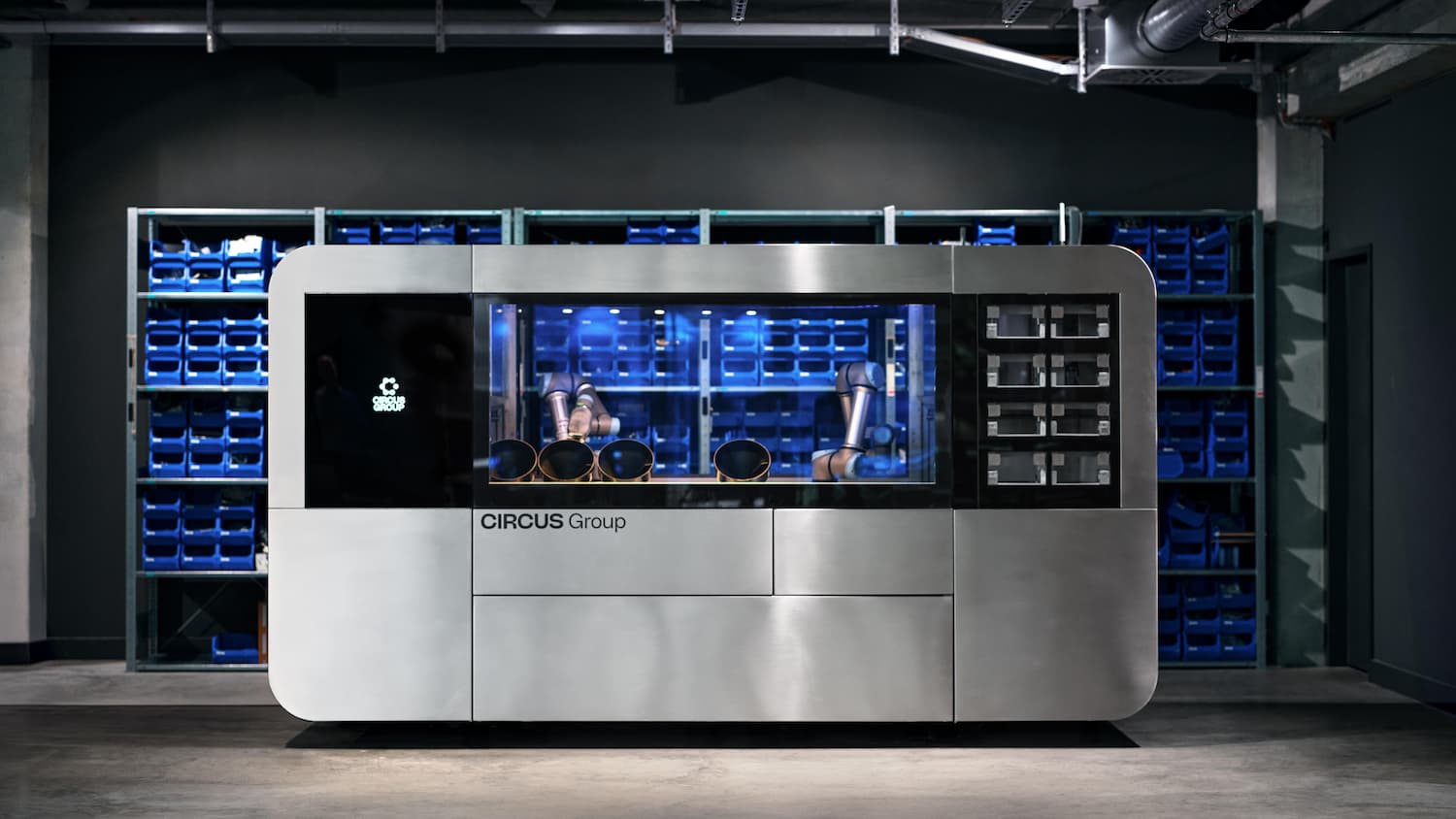
Imagine a compact, self-contained robotic kitchen stationed in the corner of a busy supermarket, quietly preparing hundreds of hot meals—without a chef in sight. This scenario no longer belongs to science fiction. The CA-1 cooking robot, recently launched in Germany, is redefining automation by managing every step from ingredient selection and dish preparation to cleaning up afterward, all with zero human intervention.
Recent advances in this technology suggest significant changes ahead not only for retail and restaurants but also for sectors far outside traditional kitchens. Here is a closer look at what makes the CA-1 unique and why industry observers are closely monitoring its adoption curve.
Inside the world of the CA-1 cooking robot
The introduction of the CA-1 represents another milestone in the evolution of automated food preparation. Installed in supermarkets across western German cities, this compact module occupies just seven square meters yet boasts an impressive output—capable of producing up to 120 hot meals per hour. Every aspect of meal production, including ingredient management, cooking, plating, and even post-service clean-up, is handled seamlessly behind transparent panels, coordinated by advanced software.
This sophisticated system operates on a proprietary platform that goes far beyond simple order processing. From receiving a customer’s request, the software efficiently manages queues and coordinates multiple orders simultaneously, always adjusting based on real-time resource availability. A powerful robotic arm assembles each meal, serving finished plates into one of eight heated compartments where customers or delivery services can collect them.
Smart systems and culinary intelligence
The hardware inside the CA-1 is supported by intelligent sensors and comprehensive monitoring tools. Silos integrated within the unit constantly track inventory levels, temperature, and cleanliness metrics. These live insights do more than keep operations smooth—they enhance both efficiency and food safety.
The digital foundation of the CA-1 includes modules dedicated to adapting the menu according to seasonal trends, shifting demand, or variations in stock. As a result, less popular recipes are phased out during slower periods, while high-demand items receive priority. Predictive analytics anticipate required volumes and automate reordering, which helps reduce food waste and prevent shortages.
Full automation: from order to plate
What truly sets the CA-1 apart from earlier culinary robots is its fully end-to-end approach. There is no need for staff intervention—not for chopping vegetables, plating lasagna, or washing pots after service. Every mechanical step, from sourcing ingredients to final presentation, is completed within the enclosure. Messes are cleaned, utensils sanitized, and ingredient refills triggered automatically as needed.
This results in consistent quality, even during peak times. Customers experience minimal wait times, and operators benefit from reliable, standardized outputs, regardless of staffing challenges.
A growing footprint: public spaces, mass catering, and military use
While these kitchen robots currently target commercial environments like supermarkets, developers have introduced leasing options to enable large-scale deployment. Subscription-based models make it easier for businesses to integrate automated kitchens without hefty upfront costs, paving the way for rapid expansion across multiple locations.
The impact extends beyond retail. New announcements highlight applications outside of conventional markets—especially in defense. By adapting this technology for military or disaster relief contexts, the goal is to provide dependable, hygienic hot meals wherever the unit can be safely installed, even under challenging field conditions or during emergencies.
Leasing over outright purchase
Currently, the CA-1 is not sold through traditional channels nor targeted at home consumers. Instead, leasing agreements offer flexibility to organizations seeking scalable solutions, allowing for regular upgrades and updates as technology advances. Recurring costs can be easier to manage compared to maintaining extensive professional kitchen teams.
For businesses facing fluctuating demand or labor shortages, this model lowers entry barriers and streamlines operational planning. Catering companies and event organizers, for example, could deploy pop-up kitchens overnight, scaling production up or down as needed.
Military and humanitarian deployments
The move toward integration in the defense sector signals ambitions well beyond the grocery aisle. Military planners see value in equipment capable of reliably feeding personnel when standard kitchens are unavailable. Units built for durability and easy transport are already scheduled for testing in demanding environments, offering logistical benefits where resources or safe facilities are scarce.
Similar adaptations may appeal to emergency services, refugee camps, or humanitarian missions—where speed, hygiene, and supply chain disruptions converge. Robust automation ensures meal continuity even in the absence of skilled cooks.
New dynamics in the food service sector
The rollout of highly automated kitchens inevitably raises questions among restaurant professionals and unions. For employers, reduced labor costs and guaranteed consistency rank among the primary advantages. Automation also promises improved working conditions by taking over repetitive or physically demanding tasks.
Conversely, these developments create uncertainty regarding job security and the future roles of skilled kitchen staff. The debate continues over whether robotic chefs will ultimately enhance work-life balance in food service professions or deepen ongoing concerns about employment and fair compensation.
- Supports up to 120 meals per hour production
- Robot handles ordering, prep, assembly, and cleaning
- Integrates smart stock and hygiene monitoring
- Adapts menus dynamically through data analytics
- Deployment in mass retail, public sector, and defense planned
- Available through subscription/leasing only
As innovation accelerates, business owners, catering managers, and civil agencies alike will weigh whether autonomous kitchens serve best as supplemental solutions or true game changers. While the CA-1 proves that robots can take center stage in food preparation, broader societal questions about employment, productivity, and culinary preferences remain very much part of the conversation.
