

AI video tools are improving quickly, but feature suspensions show that product teams still need to balance creative power with moderation, rights, safety, and platform risk.
- Tool adoption depends on output quality, pricing, rights, and fit with existing workflows.
- Free or viral tools can still carry privacy, licensing, or usage-limit tradeoffs.
- Users should test tools on realistic tasks before relying on them for production work.
For more context, see the Tools section.
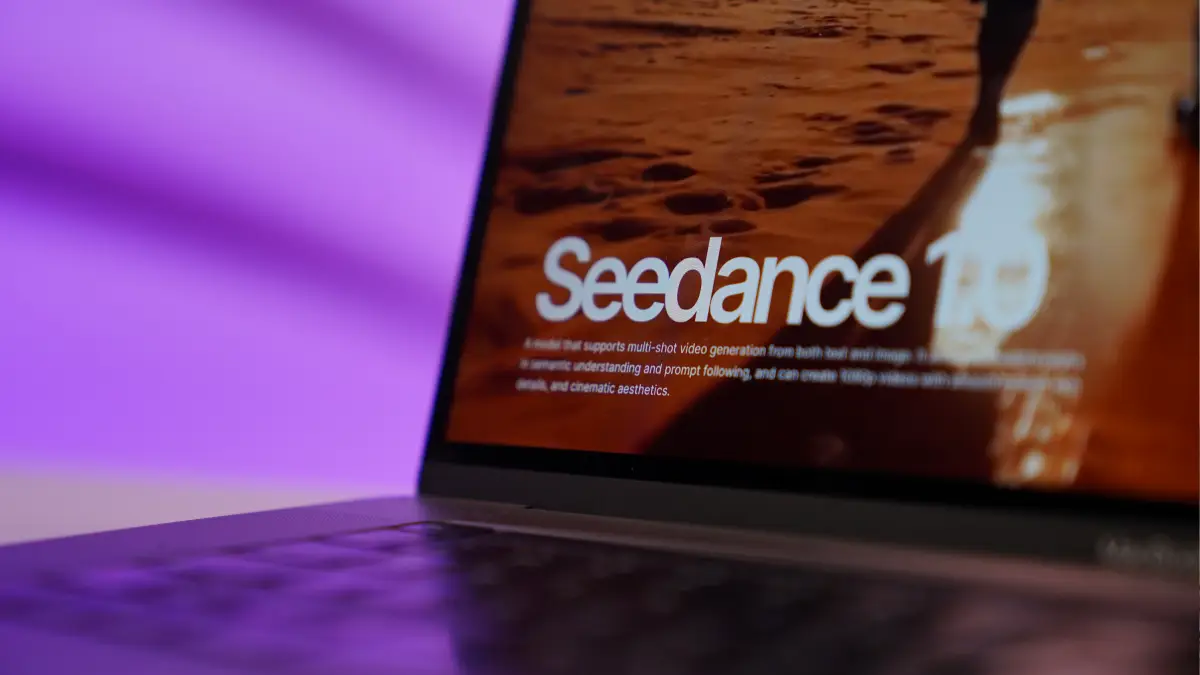
What makes Seedance 2.0 unique in AI content creation?
Seedance 2.0 is not simply another content generation tool—it distinguishes itself with an innovative workflow that combines images, text prompts, and high-resolution dynamic sequences in under a minute.
Its key strength lies in generating coherent stories across scenes, maintaining character consistency even in complex narratives.
The headline-grabbing feature, however, is its now-suspended capacity to reconstruct a user’s voice from just a photo, bypassing any need for separate audio reference material.
This function has caught the attention of the tech world. Rather than relying on traditional datasets or direct input, the system infers personal vocal attributes—from timbre to pitch—based solely on visual cues from facial structure.
Such a leap offers unprecedented realism in synthetic media while simultaneously introducing potential intrusion into one’s digital identity.
Automated multi-scene creativity
Most tools in this field require multiple prompts, editing layers, and manual corrections to keep characters recognizable through varied settings. In contrast, Seedance 2.0 interprets a single submission to generate continuous storylines, adapting backgrounds and actions while preserving every detail of the chosen avatar.
This advancement is particularly enticing for independent creators and studios developing animation or short dramatic clips at an accelerated pace.
The rapid upgrade in processing speeds further fuels excitement. With only seconds between upload and final output, producing richly detailed, multi-shot videos becomes accessible for individuals lacking traditional filmmaking skills or resources.
The voice-from-face revolution
Much of the buzz focuses on the model’s controversial ability to synthesize speech that matches a face, with no other input required. Testers observed that generated audio could closely mirror someone’s real voice. It is this precision that unlocks new storytelling possibilities—and also heightens deepfake risks.
Critics emphasize that unauthorized replication, especially without consent, can easily cross the line into impersonation. This blurring of fiction and reality reignites long-standing debates around the ethical implications of AI-driven media.
Why did ByteDance suspend the photo-to-voice feature?
Rapid popularity often exposes unforeseen pitfalls. Mere days after social media propelled Seedance 2.0 into the spotlight, mounting evidence revealed how accurately it mimicked living individuals. High-profile users experienced firsthand how easily someone’s likeness and speaking style could be conjured in digital form—with significant repercussions if misused by malicious actors.
In response, platform supervisors temporarily disabled the feature enabling real-human-like inputs. The stated goal was to reevaluate security and ensure a safer creative environment. Attention also shifted toward the broader issue of user protection as part of responsible innovation.
Live verification safeguards
To reduce the risk of abuse, platforms hosting Seedance 2.0 introduced mandatory verification steps for digital avatar creation. Now, individuals must record themselves—visually and vocally—to establish legitimate authorship before accessing advanced features. While some may view this as intrusive, these checks intend to build accountability into each phase of multimedia production.
Another effect is the introduction of stronger moderation protocols for uploaded assets. Content review processes are being refined to detect misuse or forbidden data, especially where sensitive, personally identifiable traits are involved.
Emerging industry standards
Such preventative measures hint at evolving expectations throughout the AI sector. Balancing creative freedom with public safety grows increasingly complex as machine learning advances. Tracing permission chains, confirming artistic rights, and monitoring copyright compliance all demand continual refinement.
Other developers will likely follow suit, incorporating pre-release assessments, opt-in regulations, and clearer consent management whenever new generative tools launch. Those acting swiftly to identify risks early tend to earn greater public trust amid ongoing technological change.
Challenges and opportunities for AI-generated media
This scenario introduces promising opportunities for digital entertainment—including short dramas and anime series—where instant customization and character fidelity could transform the creative landscape. However, heightened capability inevitably attracts increased scrutiny regarding transparency and user agency.
Safety protocols must evolve alongside performance improvements. Oversight agencies, platform operators, and AI engineers now find themselves negotiating fresh lines between accessibility, efficacy, and ethical responsibility.
- Dramatically shortened production workflows appeal to indie creators
- Potential for misuse demands layered verification systems
- Data handling and explicit permissions must underpin creative activity
- Ongoing stakeholder feedback shapes regulatory approaches
How can the industry move forward responsibly?
Trust in generative AI depends on finding equilibrium between technical prowess and principled stewardship. Early reactions to Seedance 2.0 demonstrate progress on both fronts, reflecting wider market pressure for transparent guardrails and sustained risk management. New policies, clear guidelines, and live oversight mechanisms are transforming what began as experimental wonder into something more robust and sustainable.
The coming months promise renewed debate among creators, technologists, and regulators over what accountability means in practice. As fascination with digital avatars and automated storytellers deepens, expect calls for new norms governing who controls creative identities, how voice and likeness rights intersect, and what happens the next time pioneering software upends conventional boundaries.
