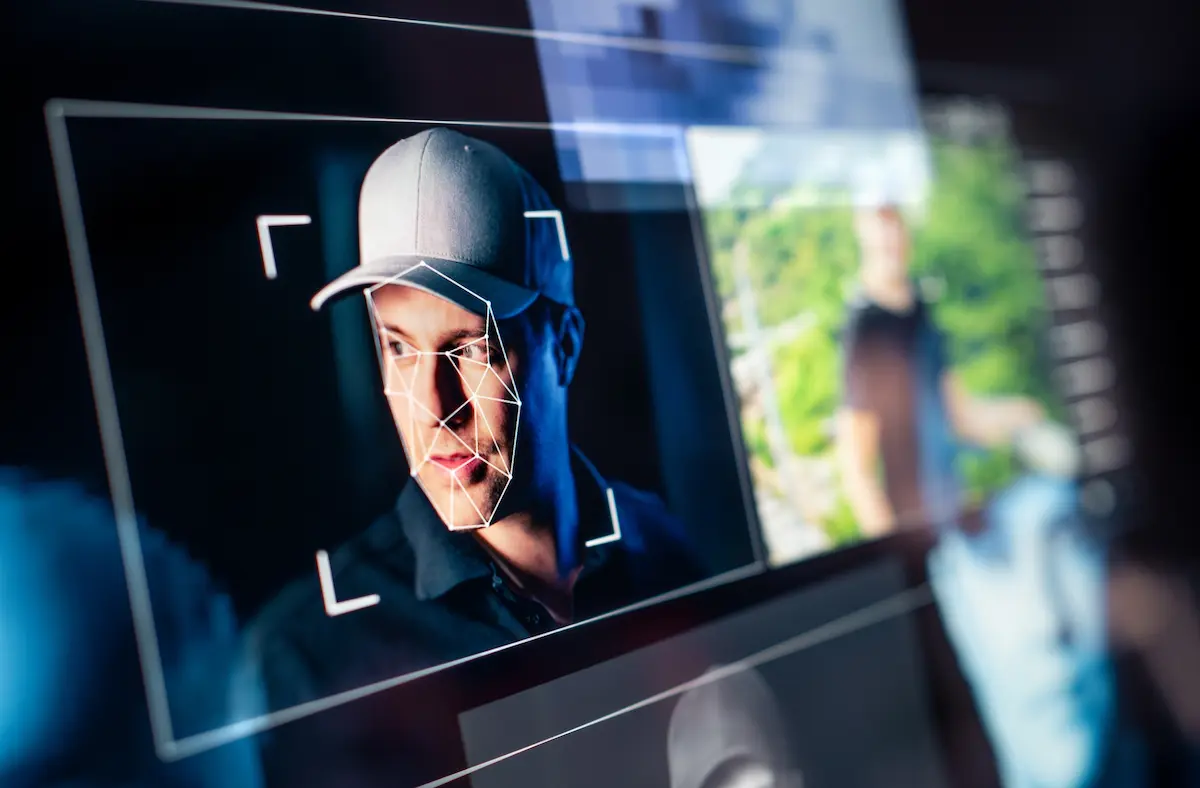
Less than 10% of people can tell real video from AI-generated content when shown the same frame—and that’s exactly why the AI watermarking market hit $613.8 million in 2026. The deepfake crisis isn’t coming; it’s here. When human perception fails at scale, technical verification becomes infrastructure, not luxury. Video watermarking exploded from niche forensics tool to 39.8% of the watermarking market because copyright holders, platforms, and governments finally realized visible “AI-generated” labels are theater. Invisible, robust watermarks embedded at the pixel or frequency level are the only scalable answer to provenance at YouTube’s upload velocity.
The numbers tell the urgency story. The global AI watermarking market is growing at 25.2% CAGR through 2034, with video claiming the largest segment share at 39.8% in 2025. Invisible watermarks dominate at 58.5% market share versus visible marks, which Hive AI describes as merely “basic AI indicators” insufficient for deepfake verification. Cloud deployments account for 65.5% of implementations, signaling enterprise shift from on-premise solutions that can’t scale with TikTok-level content velocity. Copyright protection drives 40.6% of adoption—not deepfake detection, which remains secondary despite media panic. Media and entertainment lead end-use at 35.6%, but the challenge of detecting AI-generated videos spans every sector from news to legal evidence.
Regional adoption splits along maturity lines. North America holds 38.5% market share with the U.S. at $187.4 million, reflecting mature copyright enforcement infrastructure. Asia-Pacific is the growth story at 27.43% CAGR, driven by India’s IT Rules mandating content authenticity and China’s synthetic media regulations. Europe lags despite GDPR-adjacent discussions—no binding watermarking mandates exist as of February 2026. The invisible watermark dominance reflects a technical consensus: visible marks get cropped out in seconds, while frequency-domain or neural embeddings survive the Instagram Stories gauntlet of compression, cropping, and filter abuse. But not all watermarking tech is created equal—two giants are battling for dominance with radically different approaches.
Meta VideoSeal vs Google SynthID: the technical showdown
Meta’s VideoSeal, launched December 2024, uses frequency-domain watermarking optimized for CPU execution—matching GPU performance without the hardware tax. It’s open-source, enabling first-poster verification and source tool identification through ML robustness against social media transformations. Google’s SynthID for video, expanded in January 2026, embeds neural watermarks at the pixel level with distributed patterns described as “virtually impossible to remove without destroying quality.” The compression resilience gap is real: SynthID rates 9/10 across codecs versus VideoSeal’s 7/10, meaning SynthID survives heavier Instagram/TikTok degradation before detection fails.
Both systems handle 10% cropping, 2% speed changes, and heavy recompression through WhatsApp or Instagram Stories. VideoSeal’s frequency-domain method embeds marks in transform coefficients resistant to lossy compression, while SynthID’s distributed pixel approach spreads signal across frames so localized edits can’t erase provenance. The open-source versus proprietary split matters for deployment: VideoSeal requires internal dev resources but avoids vendor lock-in and API costs. SynthID integrates frictionlessly with Google Workspace and Cloud but ties you to Google’s ecosystem—Google’s ecosystem lock-in strategy mirrors its Gemini API bundling. For enterprises facing hostile actors—piracy rings, legal disputes, adversarial removal attempts—Steg.AI offers forensic-grade watermarking surviving aggressive edits beyond consumer tools, though pricing remains undisclosed.
| Feature | Meta VideoSeal | Google SynthID | Steg.AI |
|---|---|---|---|
| Method | Frequency-domain | Neural pixel-level | Forensic-grade |
| Compression Resilience | 7/10 | 9/10 | Enterprise-grade |
| Open-Source | Yes | No | No |
| Compute Requirements | CPU-optimized | GPU-required | Enterprise infra |
| Best For | Scalable deployment | Google ecosystem | Hostile edit survival |
The compute requirements diverge sharply. SynthID needs GPU for real-time embedding, with costs scaling by resolution and frame rate—4K 60fps video hits hardware limits fast. VideoSeal’s CPU optimization reduces ongoing compute costs but still requires hardware acceleration for high-res real-time processing. For solo developers or small studios, VideoSeal’s open-source model is accessible if you have dev resources. For enterprises already on Google Cloud, SynthID’s integration is frictionless but locks you into proprietary detection infrastructure. Steg.AI positions for scenarios where watermark survival matters more than deployment speed—think legal evidence chains or premium content piracy enforcement.
What survives (and what doesn’t): real-world resilience tests
Watermark survival thresholds matter more than marketing claims. Both VideoSeal and SynthID handle 10% cropping, 2% speed or frame-rate changes, slight rotation, and heavy recompression through WhatsApp or Instagram quality degradation. Temporal edits like trimming, splicing, and frame-rate adjustments don’t destroy marks—the distributed signal across frames means you can delete 30% of frames and still extract provenance. India-specific tools blend C2PA metadata with blind extraction and AI crawling for YouTube and Instagram enforcement under IT Rules, demonstrating that platform-specific optimization beats generic solutions. Blind extraction—detecting watermarks without the original file—is essential for real-world enforcement but not universal across tools.
Non-reversible watermarks hold 73.2% market share because they can’t be removed without quality loss. The technical reality: aggressive transcoding beyond survival thresholds, adversarial attacks, and removal tools can break watermarks, but no public data exists on success rates as of Q1 2026. What breaks marks in practice? Re-encoding at extreme bitrates, adversarial noise injection, and generative inpainting to reconstruct watermarked regions. For developers, the platform-specific challenge is real: if your video will hit Instagram Stories or TikTok, SynthID’s 9/10 compression resilience matters more than VideoSeal’s 7/10. For enterprise scenarios facing hostile actors, Steg.AI’s forensic-grade survival justifies higher costs when legal disputes or piracy enforcement demand provenance proof after aggressive edits.
The gap between lab benchmarks and platform reality is stark. No Q1 2026 data exists on exact detection accuracy rates, false positive/negative rates post-Instagram/TikTok transformations, or adversarial attack success rates using public removal tools. SynthID integrates with Google’s Detector portal for voluntary upload and scan-delete verification, but this isn’t platform-scale auto-flagging—it’s manual verification for creators who care. The detection challenges across modalities mirror video watermarking limitations: adversarial techniques that fool text detectors also threaten watermark integrity. Temporal consistency helps video—you need to fool detection across hundreds of frames—but the arms race continues.
The gaps nobody talks about: where watermarking still fails
Watermarking is not a silver bullet. Industry practitioners emphasize layered protection—watermark plus fingerprinting—for re-upload culture where adversarial actors strip metadata and re-encode. The technical vulnerabilities are real: adversarial attacks, removal techniques, and fragmented standards across C2PA and proprietary systems limit interoperability. Watermarks require special detectors not accessible to average users without tools. SynthID’s Google Detector portal is voluntary upload and scan-delete, not auto-enforcement at platform scale. No YouTube, Meta, or TikTok API exists for automatic watermark scanning as of February 2026, leaving enforcement to manual reporting or platform-specific partnerships.
The regulatory vacuum is glaring. While some countries have introduced regulatory mandates for AI labeling, the U.S. has no federal watermarking requirements as of February 2026—no new state laws, FTC guidelines, or platform mandates from YouTube, Meta, or TikTok. Europe’s AI Act mentions synthetic media transparency but doesn’t mandate watermarking. India’s IT Rules drive adoption through compliance requirements, but enforcement relies on platform cooperation. The fragmented adoption—65.5% cloud deployments but no universal standard—means C2PA metadata isn’t enforced, and proprietary systems don’t interoperate.
The missing data is damning. No Q1 2026 benchmarks exist for detection accuracy rates, false positive/negative rates after Instagram or TikTok transformations, adversarial attack success rates, or removal tool effectiveness. Compute barriers persist: SynthID needs GPU for real-time embedding, VideoSeal requires hardware acceleration for high-res real-time processing. Smaller creators and platforms lack infrastructure for platform API enforcement—YouTube and Instagram APIs for watermark scanning don’t exist publicly. Until platforms enforce detection at scale, deepfake abuse cases will proliferate regardless of technical solutions. The tech exists to prove video authenticity, but deployment lags behind the threat.
Implementation reality: costs, tools, and who’s actually using this
No Q1 2026 API pricing tiers, cost per video minute, or enterprise contracts exist publicly for VideoSeal, SynthID, or Steg.AI. VideoSeal’s open-source model means lower initial costs but requires internal dev teams—you’re trading licensing fees for engineering time. The CPU optimization reduces ongoing compute costs versus GPU-dependent tools, but scaling to 4K 60fps still demands hardware investment. SynthID’s Google API pricing remains undisclosed, with ecosystem lock-in for Workspace and Cloud users. The voluntary Detector portal isn’t auto-enforcement—it’s manual verification for creators who upload content for scanning. Steg.AI’s enterprise forensics pricing is unknown, positioned for scenarios where hostile edit survival justifies premium costs: piracy enforcement, legal disputes, adversarial removal attempts.
India tools demonstrate compliance-driven adoption: C2PA metadata plus blind extraction plus AI crawling for YouTube and Instagram enforcement under IT Rules. These survive 10% cropping and 2% speed changes, meeting regulatory thresholds. Cloud deployments at 65.5% win for scalability but raise data sovereignty concerns—where are watermarked videos processed and stored? Copyright protection drives 40.6% of adoption, reflecting the AI-generated content provenance problem where ownership becomes legally murky. Media and entertainment at 35.6% end-use lead adoption, but smaller creators lack tools and budgets—VideoSeal’s open-source model is accessible only with dev resources.
For solo developers and small studios, VideoSeal is the practical choice if you have engineering capacity—open-source, CPU-optimized, 7/10 resilience sufficient for most platforms. For enterprises in regulated markets like India, Steg.AI or custom C2PA solutions justify costs when compliance mandates provenance. For Google Workspace users, SynthID integration is frictionless but locks you into proprietary infrastructure. The deployment reality: cloud wins for scale, but on-premise matters for data sovereignty. The copyright use case dominates, not deepfake detection—watermarking proves ownership, not authenticity. Until platform APIs enable auto-detection, enforcement remains manual or partnership-dependent.
Verdict: who wins the watermarking war (and what’s still missing)
Invisible video watermarking works for provenance and copyright—but it’s not stopping deepfakes without platform enforcement and universal standards. The tech exists: VideoSeal for scalable CPU-based deployment, SynthID for maximum compression resilience in the Google ecosystem, Steg.AI for forensic-grade survival against hostile actors. The market is real at $613.8 million in 2026, growing at 25.2% CAGR. But the gaps are glaring: no U.S. regulations, no platform APIs for auto-detection, no Q1 2026 benchmarks for adversarial robustness, no public pricing for enterprise tools.
If you need scalable, cost-effective deployment, Meta VideoSeal is the move—open-source, CPU-optimized, 7/10 resilience sufficient for Instagram and TikTok. If you’re in the Google ecosystem and need maximum compression resilience, SynthID’s 9/10 rating and proprietary integration justify the lock-in. If you face hostile actors—piracy rings, legal disputes, adversarial removal attempts—Steg.AI’s forensic-grade watermarking survives aggressive edits beyond consumer tools. If you’re a small creator or developer, wait for platform-native tools or use VideoSeal if you have dev resources; SynthID and Steg.AI pricing remain unclear. If you need regulatory compliance under India IT Rules or future mandates, C2PA-compatible tools with blind extraction are the path.
Watch for four developments: U.S. or EU regulations mandating watermarking (none exist as of February 2026), platform APIs from YouTube, Meta, or TikTok for auto-detection, adversarial attack benchmarks (currently absent), and pricing transparency for SynthID and Steg.AI enterprise tiers. The tech exists to prove video authenticity—but until platforms enforce it and standards unify, we’re still in the Wild West of AI-generated content. The invisible arms race continues, with watermarking as provenance infrastructure, not deepfake defense. The market will hit $5 billion by 2035, but adoption lags behind technical capability. Deployment, not innovation, is the bottleneck.