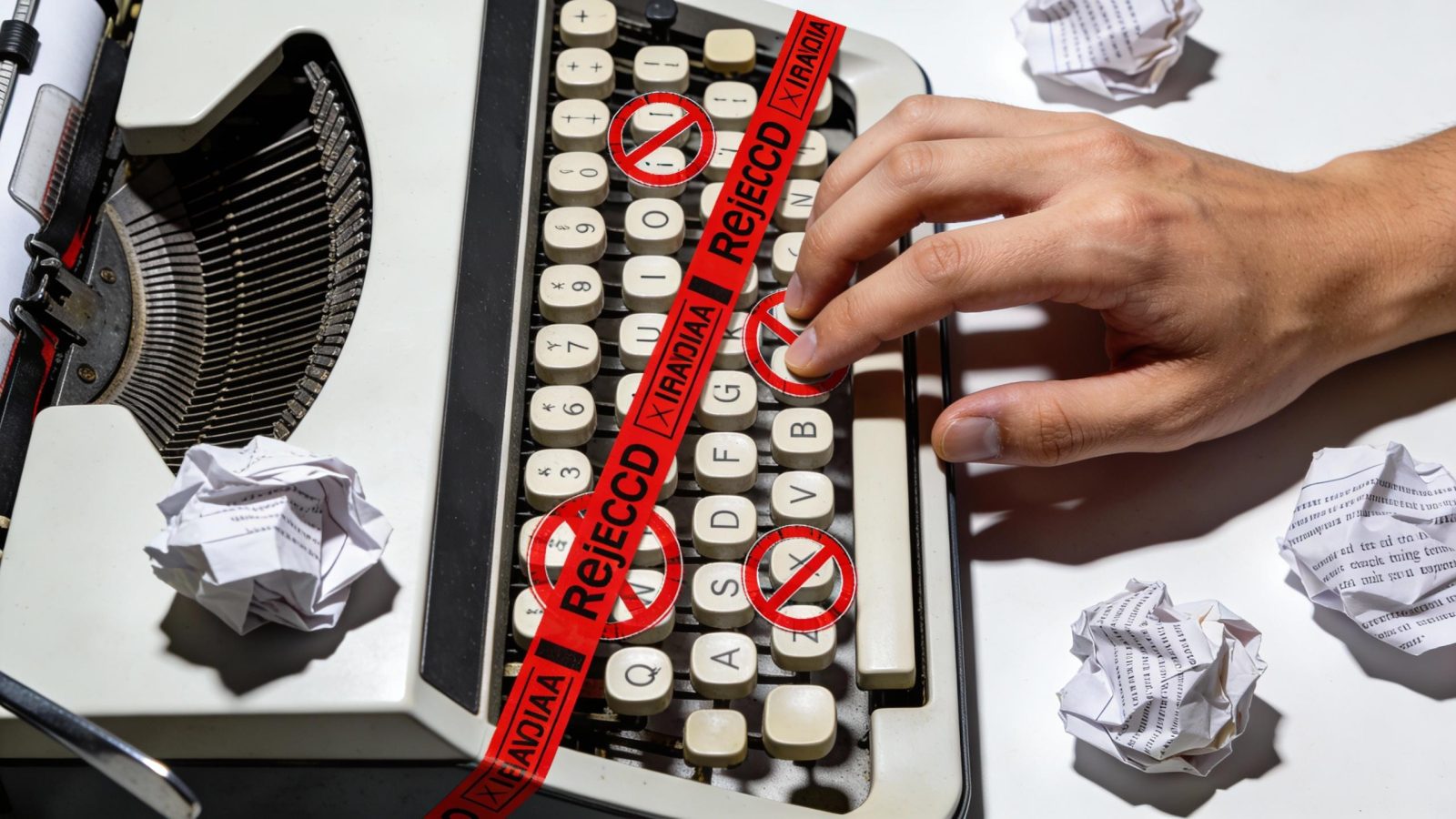
A writer got banned from a platform for using em dashes — a punctuation mark she’d used her entire career — because an AI detector flagged her comment as “too polished.” She appealed, confused. The system took 48 hours to admit its mistake. By then, her comment was buried and her reputation questioned.
ChatGPT just quietly changed how it writes to stop using em dashes — explicitly to dodge detection tools that flagged them as an AI tell. The irony? AI learned to overuse them by scraping human authors’ books in the first place. Now professional writers are being punished for the same formal writing habits that trained the AI. The detectors can’t tell the difference, so they’re banning both.
Your writing style is now evidence against you
Human writers are getting flagged as AI-generated for using correct punctuation. One technical reviewer had their work flagged in December for being “too structured” — the appeal took two days to resolve, but the damage was done. Another writer posted as of this week: “I always use em dashes… Has anyone else experienced this issue? I am genuinely confused.”
AI detectors now treat formal writing — clean grammar, proper punctuation, logical flow — as suspicious. The tools were trained to spot “AI patterns,” but those patterns came from scraped human books in the first place. Research shows detectors struggle with false positives on professional writing that looks “too clean.”
The paranoia makes sense when employees are secretly using AI at work, but the collateral damage is hitting the wrong people. You’re being punished for writing the way you taught the machine to write.
OpenAI saw this coming and changed the game
ChatGPT’s recent update explicitly ditched em dashes to evade detection — proof that AI companies know the tells and are actively hiding them. Users noticed the shift immediately. Before the change, ChatGPT’s em dash usage was constant enough that people built entire prompt libraries just to force the AI to stop using them.
This wasn’t a style improvement — it was camouflage. This comes as ChatGPT faces a credibility crisis on other fronts, but the em dash removal shows OpenAI is playing defense on detection specifically. The timing matters. Platforms are cracking down on “perfect” punctuation just weeks after the update.
AI is adapting faster than the detectors, leaving human writers caught in the crossfire — and detecting AI-generated text is becoming almost impossible even for experts. Simple edits like changing punctuation fool 90% of detectors, according to recent analysis.
Writers are now sabotaging their own work to pass as human
The solution isn’t better detection — it’s writers intentionally degrading their craft. Platforms report constant false positives from correct punctuation. Some writers now run automated tests in under a minute, checking if their work sounds “human enough” before posting. They’re not checking for quality. They’re checking if they’ll get banned.
The advice circulating: add casual language, throw in errors, avoid em dashes. Professional writers are being told to write worse to prove they’re real. State-of-the-art classifiers show over 60% false positives on human text with structured grammar — the exact writing style that takes years to develop.
This is the honest cost nobody’s talking about. Decades of learning grammar rules, now reversed to game an algorithm that can’t tell a professional writer from a bot.
If AI companies keep adapting their tells faster than detectors can catch them, who loses? Not the AI — it just rewrites its style guide. The humans who trained it lose twice: first their work gets scraped without permission — 700 major artists are calling it theft — then their natural writing style becomes evidence of fraud. The question isn’t whether detectors will get better. It’s whether we’re okay with a future where writing like a professional makes you look like a bot.