

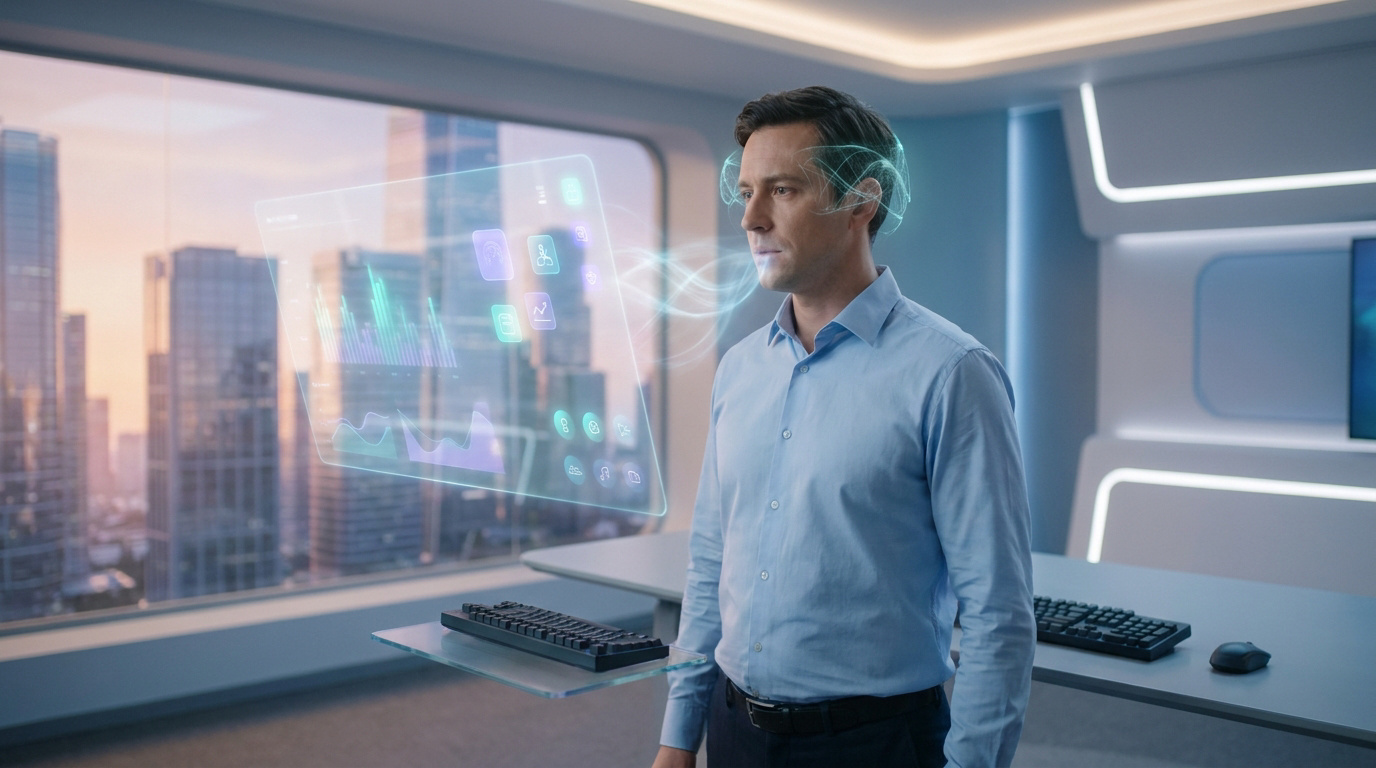
Standard touch-typing averages 40 to 60 words per minute, yet modern voice recognition now hits speeds of 150 words per minute with 95% accuracy. While neural implants already enable paralyzed users to transcribe 90 characters per minute via thought, the mechanical keyboard remains the dominant interface for professional data entry.
The transition toward non-tactile inputs raises a critical question: will typing become obsolete by 2027? This analysis evaluates the functional barriers of voice and brain-computer interfaces to determine if physical hardware will survive the next decade. We examine the performance gap between legacy tools and emerging neural technologies to provide a definitive market forecast.
- Input Evolution: Current Status of Voice and BCI Tech
- 3 Functional Barriers to the Death of the Keyboard
- Will Keyboards Become Obsolete Within the Next Decade?
- Market Forecast: Hybrid Coexistence of Legacy and Neural Input
Input Evolution: Current Status of Voice and BCI Tech
Modern voice recognition hits 150 words per minute with 95% accuracy, yet Brain-Computer Interfaces (BCIs) now enable paralyzed users to type 90 characters via thought alone. These neural breakthroughs signal a shift toward non-tactile data entry standards.
The speed of these systems directly challenges the traditional mechanical keyboard, especially when comparing raw transcription velocity against error-prone human dictation.
Voice Recognition Performance: Speed vs. Accuracy
Voice recognition delivers 120 to 150 WPM, tripling the 40-60 WPM average of touch-typists. AI-driven models now successfully process diverse accents and complex technical jargon with high efficiency.
But high-end software still struggles with homophones. These errors necessitate manual correction, reducing total productive output. Environmental noise also remains a hurdle, as performance peaks in quiet offices but degrades in noisy, open-plan settings.
Speed is useless without precision. Professional standards demand near-perfect text generation immediately.
| Input Method | Average Speed (WPM) | Error Rate | Primary Use Case |
|---|---|---|---|
| Mechanical Keyboard | 40-100 | <1% | Coding |
| Voice-to-Text | 150 | ~5% | Casual Chat |
| BCI (Current) | 18 | ~6% | Medical |
| BCI (2030) | 70+ | <2% | Professional |
BCI Development: From Medical Need to Consumer Prototypes
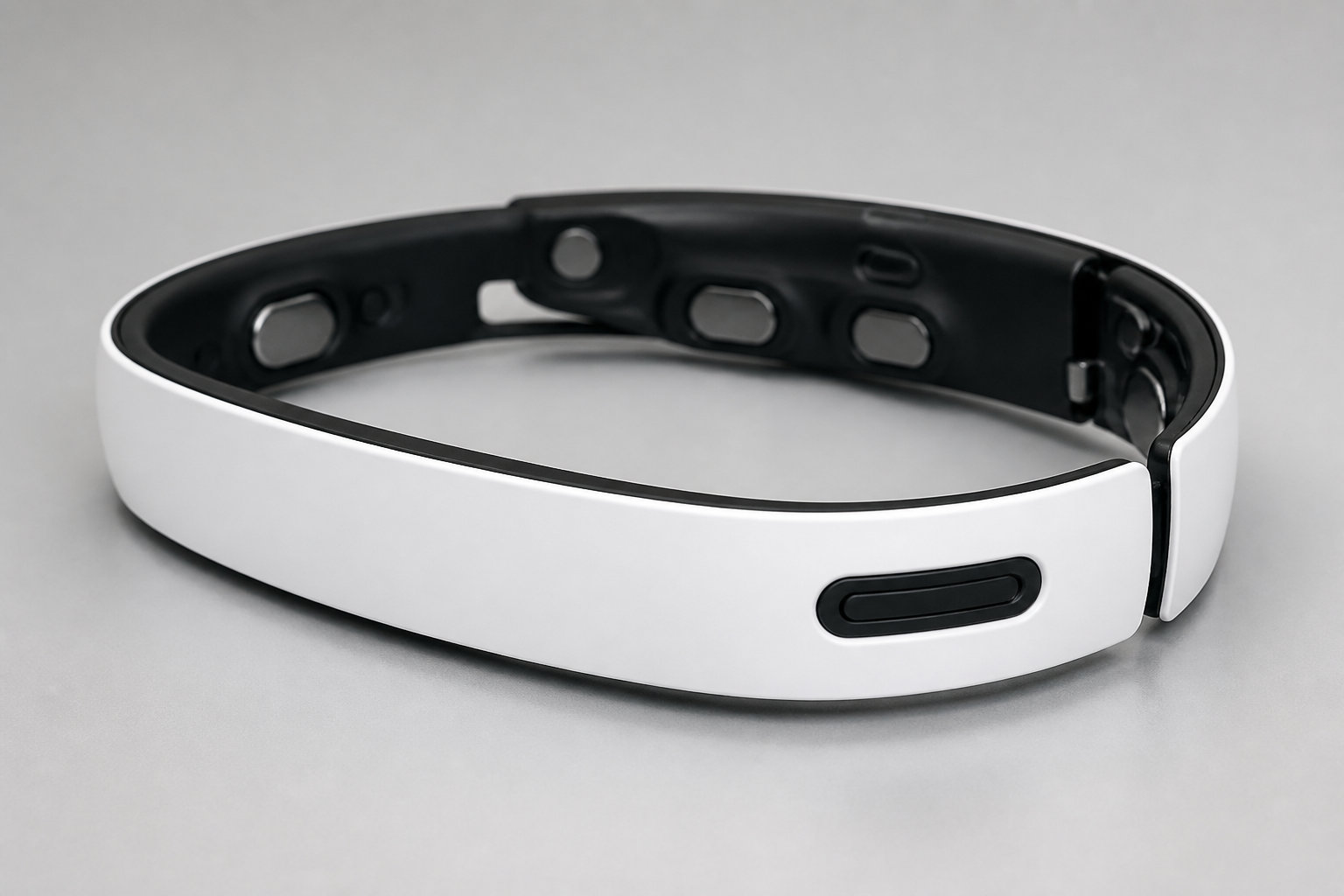
Neural links are moving from clinical trials into the corporate sphere. Early consumer prototypes use non-invasive sensors to detect intent-based signals via sleek headbands. This hardware requires no surgery, sitting directly on the scalp.
Engineers are refining algorithms to filter signal interference from hair and skin. The goal remains seamless thought-to-text translation for everyday office tasks. Hardware requirements are shrinking, moving toward mobile-integrated neural receivers for on-the-go productivity.
3 Functional Barriers to the Death of the Keyboard
While neural speed sounds promising, the physical keyboard offers a level of control that thoughts alone cannot yet replicate in high-stakes environments.
Precision Requirements: Coding and Academic Standards
Coding requires specific syntax that voice systems often mangle. A single misplaced bracket ruins the entire script. Tactile feedback ensures syntax integrity during long programming sessions or complex data entry.
Legal drafting and academic writing rely on precise word choices and formatting. Keyboard shortcuts allow for rapid editing that voice commands cannot match. Physical keys provide a safety net for accuracy.
Engineers still value the keyboard even when AI writes the bulk of the logic. Reliable input remains vital for the Future of work: will typing become obsolete by 2027? as technical precision dictates professional success.
Privacy Constraints: The Problem with Public Voice Input
Dictating sensitive emails in a crowded cafe is a security nightmare. Anyone nearby can overhear confidential trade secrets or personal details. This lack of acoustic privacy makes voice input unsuitable for many professional roles. Keyboards remain silent and discreet.
Open-office layouts exacerbate the eavesdropping risk. Constant chatter also creates a distracting environment for colleagues. Most workers prefer the quiet efficiency of typing over vocalizing every single thought.
Voice dictation in shared environments presents significant vulnerabilities:
- Acoustic eavesdropping risks
- Social friction in shared spaces
- Loss of intellectual property through overheard dictation
Will Keyboards Become Obsolete Within the Next Decade?
Beyond the functional hurdles, we must look at how these technologies reshape our basic cognitive relationship with language and accessibility.
Inclusivity Gains: Empowering Users with Physical Disabilities
Eye-tracking and neural links are already life-changing for workers with mobility impairments. These tools turn inclusive design into a productivity powerhouse. They allow for full digital participation without physical strain.
Mainstream hardware is adopting these features. What was once niche is now becoming standard.
Accessibility drives innovation for everyone. Better BCI tech helps every user eventually.
Cognitive Habits: Physical Typing and Skill Retention
There is a deep psychological link between tactile movement and complex drafting. Typing helps some writers organize their thoughts through rhythmic motion. Losing this physical connection might impact cognitive retention and fine motor skills in younger, tech-native generations.
The Future of work: will typing become obsolete by 2027? Research suggests the surprising skill Gen Z is losing could fundamentally alter how we process and store information.
Educational Shifts: The Future of Touch-Typing in Schools
Schools are debating whether touch-typing is still a fundamental skill. Some argue that voice-first interfaces make keyboarding redundant. However, digital literacy in 2027 still requires some level of physical proficiency.
“People will buy intelligence on demand, but the way we transcribe that intelligence defines our individual creative voice.”
A notable generational shift is occurring in transcription habits. Younger users increasingly prioritize speed and immediate output over traditional tactile methods.
Market Forecast: Hybrid Coexistence of Legacy and Neural Input
The path forward isn’t a total replacement, but rather a messy integration of old habits and new neural possibilities.
Physical keyboards show strong cultural inertia. Total obsolescence by 2027 is unlikely due to their efficiency in complex tasks.
Neural Signatures: Security and Mental Privacy Risks
Brain data privacy is the next ethical frontier. We need neural signatures to verify identity without exposing inner thoughts. Mental security must be baked into hardware from day one.
Regulators are already looking at how to protect cognitive liberty. Unauthorized access to brain signals could lead to identity theft. Precise legal frameworks are mandatory here.
Security protocols must evolve. This shift impacts the future of work where neural integrity becomes a primary concern.
Professional Legacy: Typing as a High-Stakes Standard
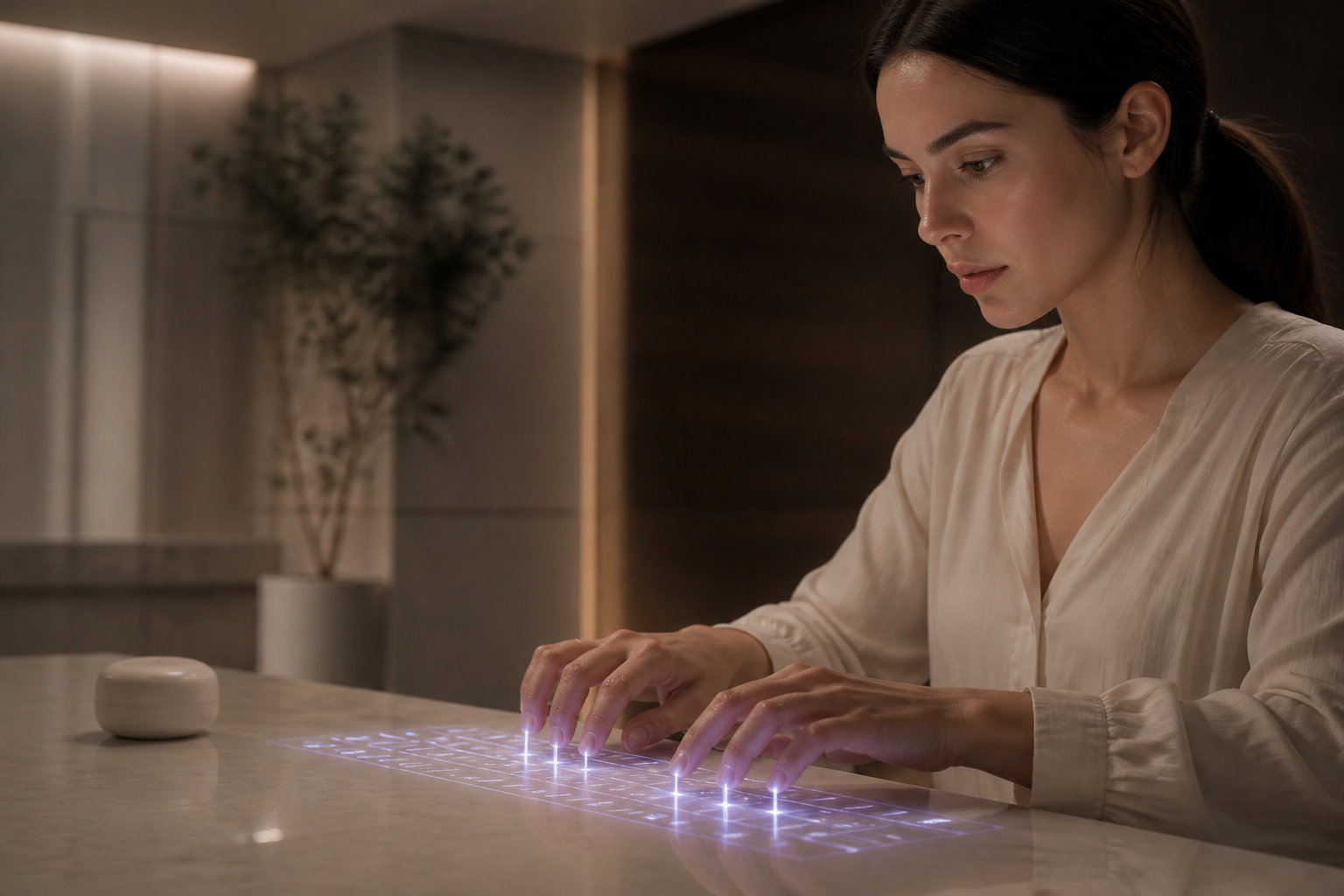
High-stakes professional work remains keyboard-centric. Mechanical reliability is hard to beat. We will see hybrid devices combining tactile keys with neural sensors for specialized shortcuts and tone detection.
The 2027 threshold marks a period of deep integration. Keyboards won’t vanish; they will evolve into multi-modal hubs. Casual users might ditch them, but power users will hold on.
The keyboard is a legacy tool that refuses to die. It is simply too useful.
Physical keyboards remain essential for precision and security, resisting obsolescence through tactile reliability. While voice AI and BCI technologies achieve impressive speeds, they currently serve as high-performance complements rather than total replacements. Future productivity relies on mastering these hybrid input standards to maintain creative control. The keyboard is not dying; it is evolving into a multi-modal powerhouse.
FAQ
Will physical keyboards become obsolete by 2027?
Current data suggests total obsolescence is unlikely within this timeframe. Despite the rise of alternative input methods, the physical keyboard maintains significant cultural inertia and functional utility. It remains the primary standard for professional tasks requiring high-speed accuracy and complex command execution.
The market is shifting toward a hybrid coexistence model. While casual users may transition to voice or neural interfaces, power users and professionals continue to rely on the tactile reliability of mechanical keys for precision-heavy workflows.
How does voice recognition speed compare to traditional typing?
Voice-to-text systems are significantly faster, averaging between 120 and 150 words per minute (WPM). In contrast, the average touch-typist operates at approximately 40 WPM, making dictation nearly three to four times faster for natural language generation.
However, speed is often offset by environmental factors and technical limitations. Modern AI models achieve over 95% accuracy, yet background noise and homophones still necessitate manual corrections. For syntax-heavy tasks like coding, the speed advantage of voice often diminishes due to precision errors.
Can Brain-Computer Interfaces (BCIs) replace keyboards for daily work?
BCIs are transitioning from clinical trials to consumer prototypes, but they are not yet ready for mainstream replacement. Current invasive implants allow paralyzed users to type roughly 90 characters per minute. Non-invasive research, such as digital holographic imaging, aims to detect neural signals through the scalp without surgery.
The primary barrier remains signal clarity. While inclusive design is revolutionizing accessibility for users with mobility impairments, the technology currently faces interference from physiological “noise.” Widespread corporate adoption depends on refining these neural signatures for consistent office use.
What are the main functional drawbacks of voice-first interfaces?
Privacy and security remain the most critical hurdles. Dictating sensitive information in shared or public spaces creates a high risk of acoustic eavesdropping and intellectual property loss. Physical keyboards offer a silent, discreet alternative that is essential for professional confidentiality.
Social friction in open-office layouts also limits vocal input adoption. Constant chatter creates a distracting environment for colleagues, whereas typing provides a quiet, efficient method for data entry and communication without disrupting the workspace.
Is touch-typing still a necessary skill for the future workforce?
Digital literacy in 2027 still includes physical proficiency. While some educational systems debate the relevance of keyboarding, typing is deeply linked to cognitive retention and the organization of complex thoughts through rhythmic motion. It remains a fundamental skill for academic and professional standards.
The generational shift suggests that while younger users may favor non-tactile interfaces for casual interaction, the keyboard remains a legacy tool for high-stakes drafting. The way we transcribe intelligence continues to define individual creative and professional voices.
