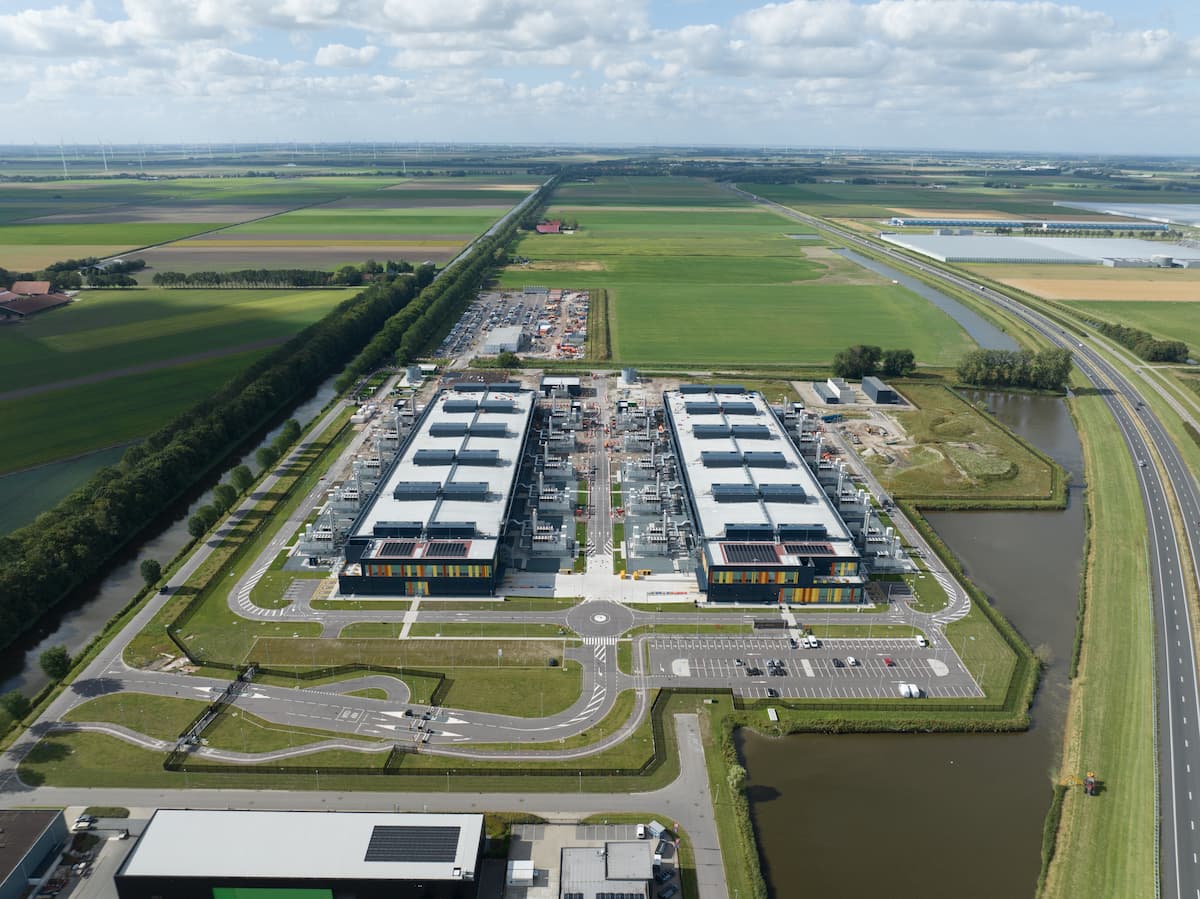
Recent events have drawn renewed attention to Elon Musk’s xAI data centers, especially those emerging along the borders of Tennessee and Mississippi.
Local communities are voicing concerns that go far beyond the steady hum of servers—there is growing anxiety about air quality issues and relentless noise disrupting daily routines.
As these facilities power the next generation of artificial intelligence, they also attract pointed criticism from environmental advocates and long-standing residents alike.
The pursuit of ever-greater processing power has collided with mounting health and environmental worries, sparking legal and civic responses as affected neighborhoods demand to be heard.
Community struggles around massive computing hubs
Across Southaven and Memphis, more people are reporting disruptions connected to the expanding presence of xAI’s operations. Residents who once enjoyed quiet neighborhoods now describe unending mechanical noises echoing through their homes, matched by unsettling shifts in local air quality.
As these high-density server farms grow, testimonies suggest that Musk’s AI ambitions may be exacting a significant toll on community well-being.
The grievances extend far beyond minor inconvenience. Accounts collected by advocacy organizations detail sleepless nights, frequent headaches, and feelings of helplessness as unfamiliar odors drift across residential areas.
Despite several public hearings, many feel that little progress has been made to address or reduce these impacts. For some, the promise of technological progress feels overshadowed by the immediate effects on health and everyday comfort.
Causes of concern: Noise pollution and emissions
The core of the debate centers on how these data centers operate. The nonstop running of industrial-scale turbines—crucial for cooling vast server banks—creates substantial noise and atmospheric disturbances for nearby residents. These installations require enormous amounts of energy, often relying on gas-powered generators when local grids cannot meet demand.
Both local and national scientific experts have expressed concern, noting measurable increases in air pollutants near the sites. Laboratory tests reveal substances associated with respiratory issues and potential long-term risks. Environmental protection groups warn that unchecked growth of such centers could worsen disparities already faced by marginalized communities.
Deafening turbines
In Southaven, turbine-generated noise has escalated from a faint background hum to an almost constant roar. Families report that basic soundproofing offers only partial relief. Many have invested in thicker windows or indoor white-noise machines, but these steps seldom eliminate the persistent drone. Health professionals link prolonged exposure to high decibel levels with increased stress and even cardiovascular complications.
Disruptions during nighttime hours bring particular challenges for shift workers, students, and parents. As noise insulation proves only partly effective, frustration among residents continues to mount. There is widespread hope that collective action will prompt operational changes or encourage technology upgrades to better protect community life.
Gas turbine emissions
A particularly troubling issue is the reliance on gas turbines, which act as backup and supplementary power sources. Researchers at the University of Tennessee have identified spikes in air contaminants coinciding with periods when multiple turbines run simultaneously. These episodes align with reports of strange odors throughout neighborhoods bordering the facilities. Beyond discomfort, these particulates add to existing environmental pressures for populations already facing systemic disadvantages.
Legal complaints reference alleged violations of the Clean Air Act, claiming that required federal permits were bypassed during construction and ongoing operation. While regulatory disputes are not new, what sets this case apart is the substantial influence of AI infrastructure development and its rapidly increasing global demand.
Public response and civic mobilization
In response to these growing concerns, local activists are stepping up efforts to hold corporate leaders accountable. From organizing town hall meetings to documenting health and property impacts, grassroots mobilization intensifies whenever incidents go unaddressed or complaints are dismissed.
National organizations have joined the effort as well. Major civil rights groups highlight that predominantly Black and lower-income communities disproportionately bear the consequences of industrial expansion and pollution. Their legal teams argue that lapses in oversight perpetuate cycles of disadvantage, fueling calls for reform both locally and at higher government levels.
Court actions and official notices
Recently, respected environmental NGOs, together with civil rights advocates, submitted formal intent-to-sue letters. The allegations focus on breaches of environmental law and improper permitting processes. Copies of these filings have circulated widely among officials and media outlets, signaling growing scrutiny and the prospect of lengthy court proceedings ahead.
Such court actions pose real risks for facility operators. Regulatory delays or penalties could hinder future expansion, while emerging legal precedents may ultimately reshape where and how new AI infrastructure is built across the country. Developments in Mississippi and Tennessee could set important industry standards nationwide.
Growing public hearings and community engagement
Municipal authorities have scheduled further public forums to collect testimony related to proposed expansions. Critics argue that earlier sessions resulted in few policy changes, yet increasing attendance reflects a surge in civic participation. Every opportunity for dialogue amplifies voices that were previously overlooked or minimized.
Some residents are using media platforms to build support beyond their immediate neighborhoods. The conversation now includes everyone affected by digital-era industrialization, reminding decision-makers that choices made today shape lives and landscapes for years to come.
Race for AI power versus environmental justice
Musk’s data center controversy highlights a broader trend, as technology giants nationwide compete for dominance through unmatched computing capacity. The rapid pace at which new projects emerge sometimes means that established safety or zoning standards lag behind innovation. Calls to balance economic growth with thoughtful regulation are becoming louder, particularly as frontline communities endure the greatest risks when problems arise.
- Continuous noise contributes to documented sleep disruption and heightened anxiety.
- Airborne pollutants aggravate existing health conditions, including asthma and allergies.
- Prolonged legal battles risk delaying essential investments without clear solutions for all parties.
Experts from scientific and social fields advocate for interdisciplinary approaches, combining engineering progress with transparent planning and robust community involvement. The lessons from this evolving situation underscore the urgent need for forward-thinking governance, as the promise of AI continues to redefine both physical and social realities.