

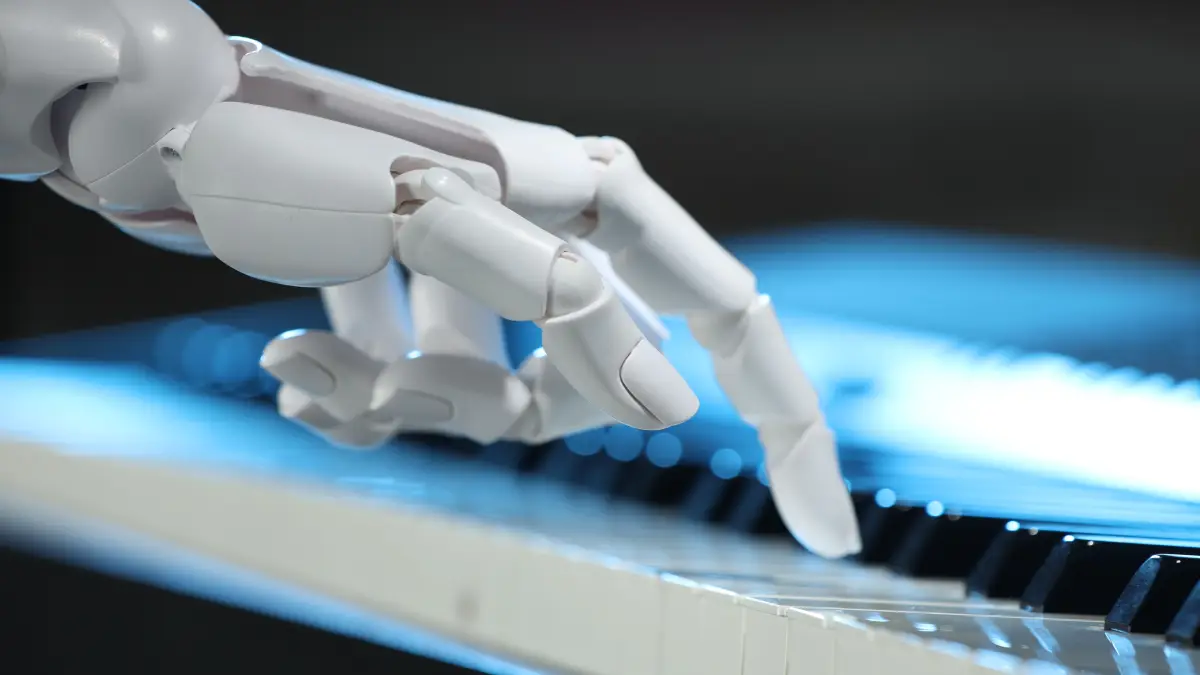
Few songs experience a true second life quite like Stromae’s iconic “Papaoutai.” More than a decade after its initial release, this track sits at the center of a cultural phenomenon driven by artificial intelligence and an irresistible afro soul twist.
Social networks, especially TikTok, have witnessed an explosion of enthusiasm for a new version blending choral energy with deeply emotional vocals.
Here is a closer look at how technology and creativity are reshaping one of pop music’s modern classics.
How did the afro soul ‘Papaoutai’ go viral?
Music fans across various platforms may have noticed snippets of a powerful, gospel-inspired rendition of “Papaoutai” echoing through their feeds.
Unlike typical remixes, this version incorporates soul influences and rich choral harmonies, crafting a sound that is both recognizable and freshly captivating. Released just after Christmas, the song rapidly gained traction, amassing millions of plays on streaming services and appearing in countless short-form videos.
The journey from relative obscurity to widespread exposure stands out in this case.
The artists behind this reinterpretation—Mikeeysmind and Chill77—were not previously known to large audiences. Their collaboration brought together expressive vocals and a vibrant chorus, adding warmth and depth to Stromae’s reflective lyrics. Many listeners first discovered this version through creative content on social media rather than via traditional radio or playlists.
Record-breaking streaming numbers
This cover quickly found extraordinary success online. Reports indicate that more than 50 million streams were accumulated within months of its launch, highlighting global appeal well beyond French-speaking markets. Such viral reach—especially for a reimagined track—demonstrates the influence of digital communities and algorithm-driven discovery.
The trend became even clearer when examining engagement on social media. On TikTok alone, over 4.4 million videos featured the new version, pairing it with dance trends, storytelling, and comedic skits. This enormous volume showcases the unique power of user-generated content to amplify authentic musical experiments worldwide.
Why did TikTok play such a major role?
TikTok’s design encourages brief, looping highlights—ideal for dynamic music snippets. Users gravitated toward emotionally charged sections from the cover, adopting them as punchlines, background ambiance, or mood-setters. As the song appeared more frequently, curiosity grew, prompting further reinvention by others within the community.
Additionally, TikTok’s algorithm rewards surprise and originality. A beloved hit transformed so dramatically could not help but capture attention. Community trends snowballed, making the afro soul “Papaoutai” seem omnipresent for weeks at a time.
AI’s influence on music: evolution or controversy?
The story of this viral sensation is closely linked to advances in artificial intelligence. Behind the names Mikeeysmind and Chill77 lies the real engine responsible for shaping this cover. Recent breakthroughs allow AI to analyze vocal timbres, blend genres, and simulate choir arrangements that once required full bands and complex production setups.
Instead of simply reproducing a song, these tools enable complete artistic transformation. Subtle emotional shifts, rhythmic changes, and entirely new stylistic directions can emerge at the click of a button—or the execution of a clever algorithm. This development sparks debates about what makes a cover legitimate, who owns the resulting work, and how credit should be distributed in collaborations involving non-human creators.
Charting the public reaction
Audience reactions have ranged from awe to skepticism. Enthusiasts highlight the renewed intensity and texture, while some question whether AI-driven creations reflect genuine artistry or risk diminishing the value of human performance. So far, Stromae has remained silent regarding this particular adaptation, leaving fans and industry observers to speculate on his perspective.
Despite ongoing questions, the positive response has been overwhelming. Many appreciate the addition of new layers of meaning and the elevation of emotions long present in the original work. Rather than seeing the AI-powered remix as competition, most view it as a tribute, expanding recognition of Stromae’s songwriting talent.
Is there risk in AI covers dominating music discovery?
This moment reignites discussion about originality and copyright. While AI-generated music opens doors for experimentation, it also introduces uncertainty around intellectual property boundaries. Musicians might worry about their work being endlessly repurposed without oversight, whereas producers see nearly limitless creative opportunities enabled by technology.
Yet, judging by the success of “Papaoutai,” most listeners focus on impact, intrigue, and emotion rather than origin. The trend points toward a collaborative future where humans, machines, and digital communities shape the musical landscape together.
Key figures behind the viral phenomenon
Although the AI process is central, personalities such as Mikeeysmind and Chill77 bring a human face to innovation. Their artistry involves composing prompts, curating styles, and guiding machine generation toward memorable outcomes. In today’s music world, expertise often means knowing how to direct advanced software creatively as much as mastering traditional instruments.
Their journey reflects evolving roles within popular music. Producers, remixers, engineers, and now “AI pilots”—all contribute to hits that challenge old hierarchies and broaden possibilities for expression. Initially anonymous, these creators become influential thanks to vision, taste, and technological skill.
- Over 50 million streams achieved rapidly after release
- More than 4.4 million TikTok videos used the new version
- African soul, gospel, and electronic elements fused seamlessly
- Artists Mikeeysmind and Chill77 leveraged advanced AI tools
- Original songwriter Stromae has yet to comment publicly
| Metric | Details |
|---|---|
| TikTok usage | 4.4 million+ video creations |
| Total streams | 50 million+ globally |
| Main collaborators | Mikeeysmind, Chill77 (AI-assisted) |
| Genres fused | Afro soul, gospel, pop |
| Original release year | 2013 (Stromae), 2023 (cover) |
