Agent teams are becoming a strategic layer for AI companies. Hiring or partnering with agent builders matters because it can shape how models move from chat responses to delegated workflows.
- Agent workflows should be judged by reliability, permissions, and human oversight.
- The strongest use cases are repeatable tasks with clear success criteria.
- Teams should test agent tools on low-risk workflows before giving them sensitive access.
For more context, see the Agents section.
A viral open-source project that caught the industry’s attention
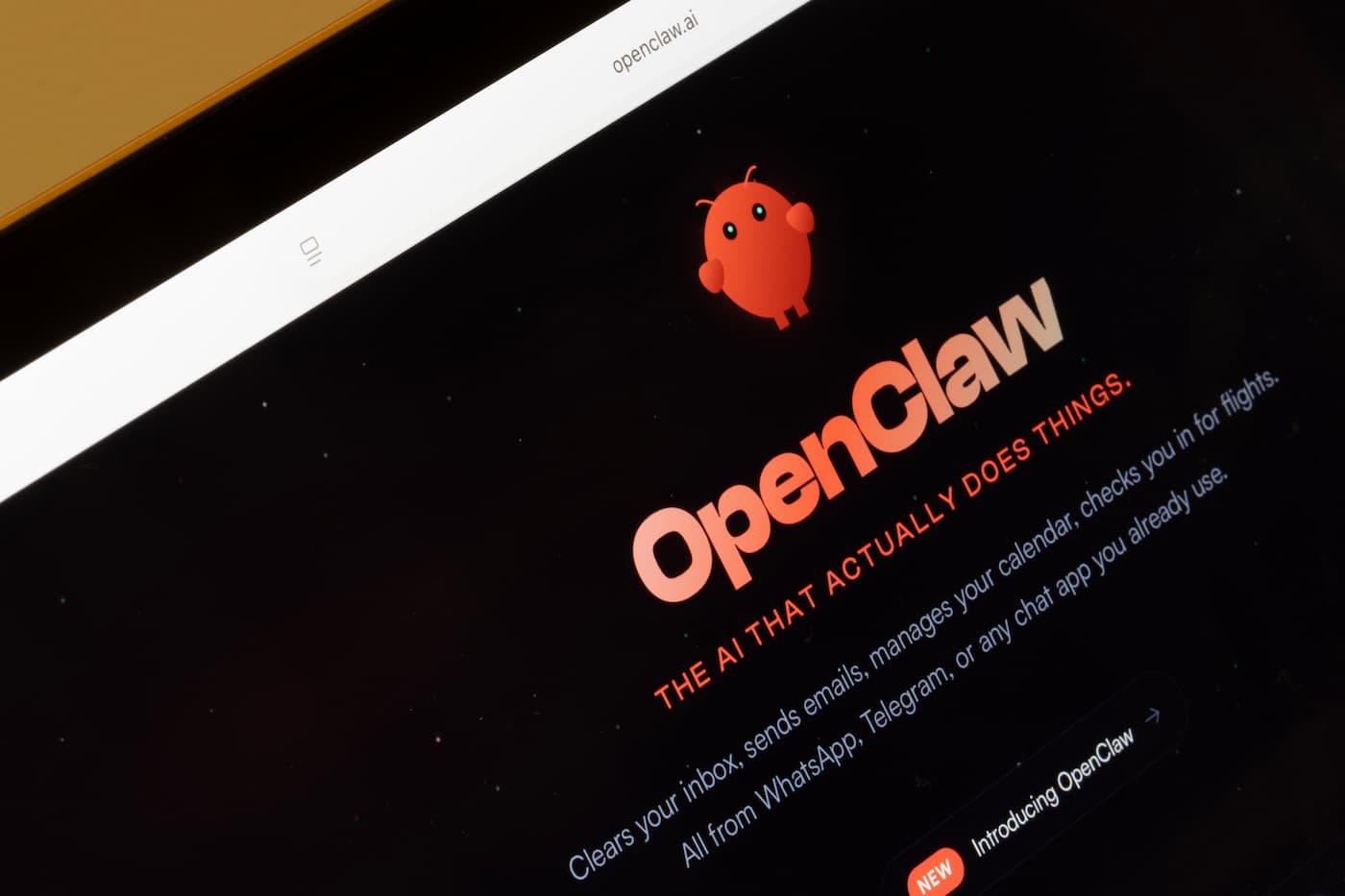
OpenClaw, launched just weeks ago by Austrian developer Peter Steinberger, quickly became one of the most talked-about projects in the AI community. The open-source tool allows users to run AI agents locally on their own computers, giving them the ability to automate tasks across their digital lives.
Users began connecting these agents to messaging platforms such as WhatsApp, Slack and iMessage, as well as email and calendar services.
Once configured, the agents could respond to messages, manage schedules, and perform actions without constant human supervision.
This level of autonomy — combined with the ability to run the system privately on personal hardware — helped OpenClaw spread rapidly among developers, startups and AI enthusiasts.
OpenAI hires the creator to build the next generation of personal agents
Peter Steinberger is joining OpenAI to drive the next generation of personal agents. He is a genius with a lot of amazing ideas about the future of very smart agents interacting with each other to do very useful things for people. We expect this will quickly become core to our…
— Sam Altman (@sama) February 15, 2026
OpenAI confirmed that Peter Steinberger is joining the company to work on its agent strategy, with leadership emphasizing that personal AI agents are expected to become a core part of future products.
The hire reflects the growing strategic importance of AI systems that don’t just answer questions, but take action: booking appointments, managing workflows, writing code, and interacting with other services automatically.
Steinberger will contribute to OpenAI’s broader ecosystem, including its development tools and automation initiatives, as the company pushes toward more autonomous capabilities for its hundreds of millions of users.
OpenClaw will remain open source
Despite the acquisition of its founder, OpenClaw itself will not become a closed commercial product. Instead, the project will continue to operate under an independent foundation structure, with ongoing support from OpenAI.
This approach reflects a hybrid strategy: maintaining community-driven innovation while integrating key ideas and talent into OpenAI’s commercial platform.
The decision is also meant to reassure developers who embraced OpenClaw precisely because of its openness and flexibility.
The rise of the “multi-agent” future
One of the most intriguing aspects of OpenClaw is its vision of AI systems interacting with each other. In experimental environments, agents can communicate, share information and coordinate tasks across platforms.
Some demonstrations even showed agents posting on dedicated social feeds, collaborating on workflows, or managing shared objectives. The concept points toward a future where users delegate entire processes to networks of specialized AI assistants.
Industry leaders increasingly believe this multi-agent architecture could become the dominant model for productivity software, customer service, coding, and personal digital management.
Why the talent race is heating up?
The move comes amid intense competition across the AI sector. OpenAI faces growing pressure from rivals such as Google and Anthropic, both of which are investing heavily in autonomous agent technologies designed to perform complex tasks over long periods.
As companies race to build more capable systems, hiring top independent developers has become a strategic priority. The OpenClaw deal highlights how quickly viral open-source innovation can translate into major industry moves.
Security and privacy concerns remain
While the promise of personal AI agents is compelling, the technology also raises significant risks. Because systems like OpenClaw can access email, messaging apps and financial information, cybersecurity experts warn that poorly configured agents could expose sensitive data.
The openness of the platform — one of its strengths — also means users can modify it extensively, creating potential vulnerabilities or unintended behaviors.
Steinberger himself has emphasized that making agent technology safe and easy for non-technical users will require careful design and stronger safeguards.
A glimpse of the next phase of AI
The rapid rise of OpenClaw illustrates how quickly the focus of artificial intelligence is shifting — from chat interfaces to autonomous action.
Instead of asking AI for help task by task, users may soon rely on persistent assistants that manage workflows continuously in the background.
With OpenAI now investing directly in the project’s vision and leadership, the era of personal AI agents appears to be moving from experimental curiosity to mainstream reality.
OpenClaw at a glance
| Feature | Details |
|---|---|
| Creator | Peter Steinberger |
| Launch | Early 2026 (viral within weeks) |
| Core concept | Personal AI agents that automate tasks and take actions |
| Deployment | Local execution on personal hardware |
| Status | Open source, maintained through a foundation |
| Strategic impact | Expected to influence OpenAI’s future agent products |