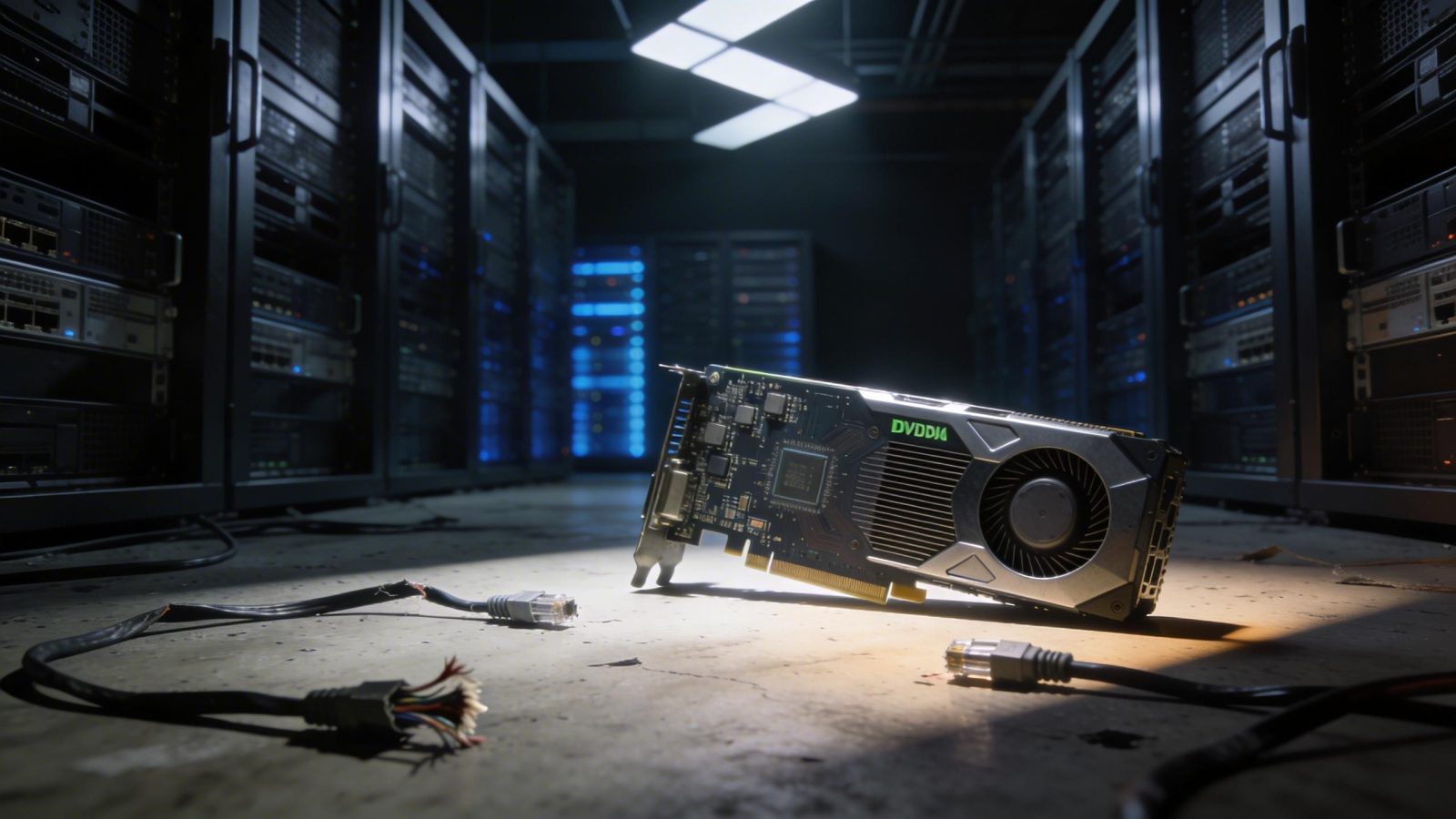
Microsoft launched Azure Local disconnected operations in late February 2026, letting enterprises run AI workloads with zero internet connectivity—perfect for sovereign clouds, classified environments, and regulated sectors that can’t touch public infrastructure. The preview enables Foundry Local on NVIDIA hardware, delivering multimodal LLMs entirely offline. But the promise of unbreakable data sovereignty comes with a price tag most enterprises can’t afford—and a hardware refresh cycle that makes traditional cloud costs look reasonable.
The pitch is seductive. Gerard Hoffmann, CEO of Proximus Luxembourg, told UCStrategies that “Azure Local disconnected operations represents a breakthrough for organisations that need control over their data without sacrificing the power of the Microsoft Cloud.” Luxembourg’s sovereign cloud deployment proves the concept works. The question is whether anyone else can afford it.
The compliance crisis driving disconnected clouds
According to Network Installers, 88% of government agencies cite cloud misconfiguration as their top security concern. Not advanced threats. Not quantum risks. Basic hygiene failures.
And the cost of those failures is brutal. 98% of companies experienced cloud breaches in the last two years, with multi-environment breaches averaging $5.05 million, according to Softjourn’s 2026 analysis. 56% of organizations struggle to secure data consistently across multi-cloud environments—the same compliance pressures reshaping cloud communications infrastructure are now forcing enterprises to reconsider where their AI workloads run.
Disconnected clouds promise to solve this. Run everything offline, eliminate internet-facing attack surfaces, and compliance audits become straightforward. But there’s a catch nobody’s advertising: you need the hardware upfront, and it’s not cheap.
The hardware prison nobody’s talking about
AI data centers now require 100+ kW per rack. Refresh cycles have compressed to 18-36 months, according to 2026 projections from Inv Recovery. That’s smartphone obsolescence for data centers.
Do the math. If you’re running offline AI on NVIDIA GPUs, you’re locked into a hardware replacement cycle that rivals consumer electronics. Compare this to traditional cloud, where infrastructure refresh is the provider’s problem. NVIDIA’s infrastructure bet on AI data centers reveals where the money’s flowing—but it’s concentrating in enterprises that can afford the upfront spend.
The global cloud compliance market is projected to reach $181.24 billion by 2034 at a 17.3% CAGR, according to Fortune Business Insights. That growth is real. But it’s being captured by vendors selling hardware, not flexibility. SMEs are structurally locked out—you can’t lease sovereignty the way you lease compute.
And the environmental angle is ugly. Component shortages driven by AI demand are accelerating obsolescence. Every 18-month refresh cycle generates mountains of e-waste—GPUs that can’t keep pace with model complexity, power systems that can’t scale, cooling infrastructure that becomes inadequate overnight.
Why disconnected clouds won’t fix the real problem
Here’s the honest limitation: 54% of organizations struggle with consistent compliance across cloud environments, according to Network Installers. Moving to disconnected infrastructure doesn’t solve policy fragmentation, training gaps, or human error—it just moves the problem to hardware you now own.
The security failures that shadow AI deployments only amplify don’t disappear when you air-gap your data center. Configuration mistakes still happen. Access controls still break. Audit trails still go missing. You’ve just eliminated your ability to patch quickly when vulnerabilities emerge.
And just as AI’s impact on high-skill jobs is creating winners and losers, disconnected clouds are creating a two-tier enterprise landscape. You can have perfect data sovereignty—if you can afford to be your own cloud provider. For most enterprises, that’s not a solution. It’s a different set of problems with a higher price tag.
Data sovereignty mandates are accelerating. Hardware refresh cycles are compressing. One of those trends has to break—and it probably won’t be the regulations.