

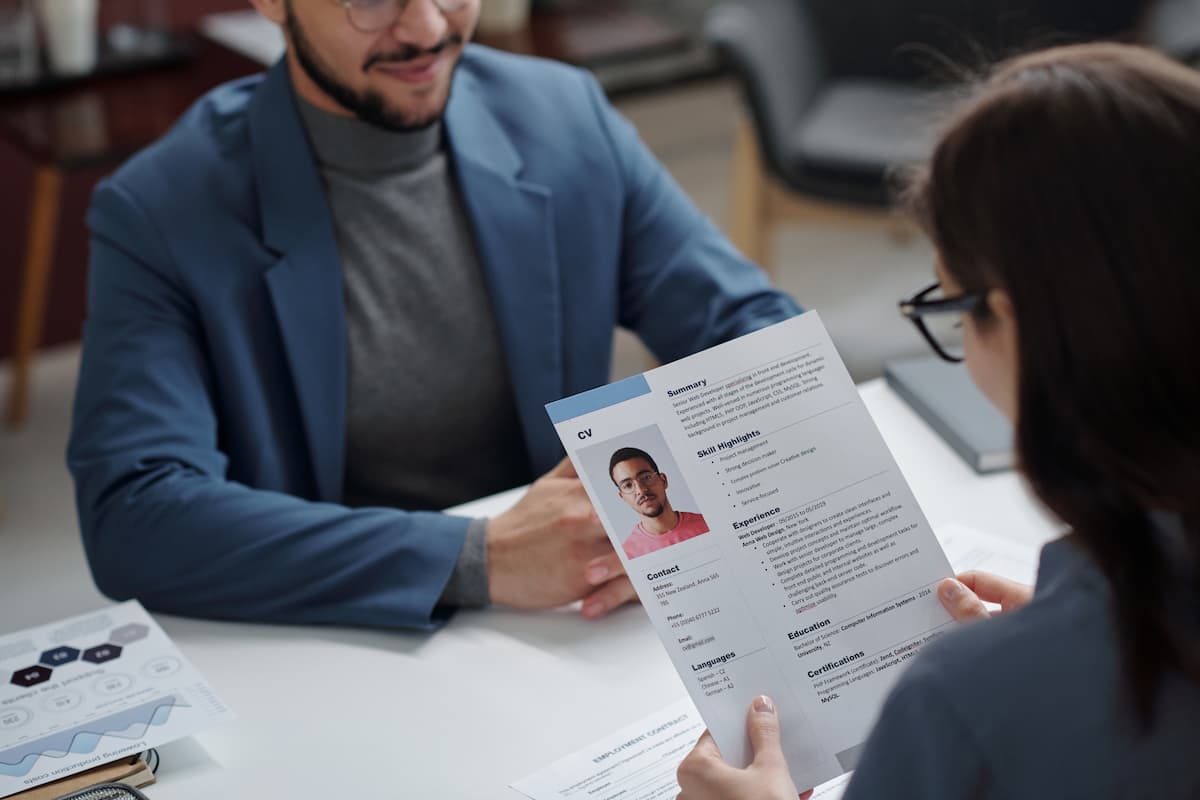
Stepping into a job interview brings both anticipation and nerves. Most candidates arrive prepared to discuss experience, answer competency-based questions, or explain why they are the right fit. Yet beneath these preparations, many hiring teams employ subtle assessments—hidden evaluations designed to reveal qualities not listed on a résumé. Understanding these covert techniques can mean the difference between blending in and truly standing out.
During an interview, skills and experience matter, but behaviors under pressure, real-time decision-making, and authentic personality traits hold equal weight. Increasingly, companies use unexpected scenarios and psychological cues to assess adaptability, professionalism, and emotional intelligence. This article explores common hidden interview tests and offers strategies to navigate them with confidence.
Why do interviewers use hidden assessment techniques?
Employers aim to move beyond rehearsed answers. Predictable interviews rarely show how someone reacts when caught off guard or faced with ambiguity. By integrating unspoken tests, organizations hope to glimpse genuine reactions—far removed from polished stories or memorized facts.
Recruiters measure more than technical proficiency; they observe professional etiquette, attention to surroundings, and emotional responses. These methods help identify resilient, adaptable personalities—traits that often determine long-term success within a team.
Common hidden interview tests and how to approach them
Hidden assessments appear in subtle forms, sometimes woven seamlessly into routine interactions. Recognizing these tactics allows for mental preparation, reducing the risk of being unsettled or missing important cues.
The “waiting game” and reception observation
Applicants may be asked to wait before an interview, either in a lobby or outside an office. This pause is intentional. Recruiters observe reactions—whether one fidgets nervously, scrolls endlessly on a phone, or treats staff dismissively—which can reveal much about patience and respect for others.
Choosing calmness and attentiveness during this period is key. Engaging politely with those nearby, maintaining good posture, and refraining from negative commentary send a positive message even before formalities begin.
The refreshment offer as a test of awareness
A simple question such as “Would you like water or coffee?” can serve a dual purpose. Beyond hospitality, it assesses etiquette and initiative. Where does the cup go? How does one respond if unsure where to place it?
When offered a drink, accept or decline graciously. If uncertain, ask for guidance or observe cues in the room. Small gestures, like placing the glass correctly, demonstrate poise and consideration.
Unusual or ambiguous questions
Interviewers may introduce curveballs: math riddles, paradoxical problems, or abstract prompts such as “If you were an animal, which would you be?” The answer itself matters little; what counts is composure and thought process under uncertainty.
Thinking aloud or explaining reasoning demonstrates transparency and adaptability. Abstract queries invite creativity, so linking responses back to relevant personality traits is often appreciated.
The kindness check with colleagues at all levels
Interactions extend beyond direct supervisors or HR professionals. Anyone encountered—from security guards to assistants—may influence overall impressions. Some companies actively seek feedback from support staff after interviews.
Consistent courtesy and politeness throughout every interaction—even casual greetings—reflect character and cultural fit. Professionalism should remain unwavering, regardless of perceived hierarchy.
Engaging in small talk
Pre- and post-interview conversations may feel informal, but these exchanges are carefully observed. Friendliness, sincere engagement, and active listening signal social awareness and the ability to connect beyond job-related topics.
Striking the right balance—being open without oversharing, expressing genuine interest in people or subjects raised—reinforces likability and leaves a strong impression.
Handling stress-inducing interruptions
Sometimes, interviews become deliberately tense. Sudden interruptions, challenges to statements, or requests for rapid answers create stressful situations intended to test resilience and clarity of thought.
Managing these moments requires composure. Acknowledging interruptions respectfully while answering calmly creates a favorable impression. Avoid defensiveness and focus on delivering thoughtful responses.
Subtle attention checks
Details matter during interviews. Interviewers may intentionally slip inconsistencies or incorrect facts into conversation. Catching these details not only shows careful listening but also highlights conscientiousness.
If an error arises—such as misattributing a project or skill—address it gently by referencing accurate information. Clarification demonstrates accuracy and professionalism without confrontation.
Practical ways to prepare and excel
Preparation goes beyond practice. Knowing the range of hidden tests provides an edge. Candidates can avoid common pitfalls by nurturing mindfulness, treating every interaction as meaningful, and remembering that authenticity makes lasting impressions.
- Maintain professionalism at all times, not just with decision-makers.
- Listen actively for unexpected details or instructions.
- Welcome ambiguity and respond thoughtfully instead of rushing.
- Observe the workplace atmosphere and adapt accordingly.
- Reflect on previous interview experiences to identify areas for improvement.
Experience builds confidence. Preparing for hidden interview challenges equips candidates to handle surprises with grace. With time, navigating these subtle tests becomes second nature, making each interview less unpredictable and more manageable.
| Type of hidden test | Main trait assessed | Recommended approach |
|---|---|---|
| Waiting/reception observation | Patience, respect | Remain courteous and composed |
| Refreshment offer | Awareness, etiquette | Accept or decline gracefully |
| Abstract/trick questions | Problem-solving, creativity | Explain thinking calmly |
| Colleague interaction | Kindness, professionalism | Treat everyone kindly |
| Small talk | Sociability | Be engaged and attentive |
| Stressful interruptions | Resilience, composure | Stay calm and focused |
| Attention to detail | Listening, accuracy | Clarify politely if needed |
Hidden interview tests add another dimension to recruitment, challenging candidates to display more than professional knowledge. Awareness of these subtleties helps ensure the best possible impression, no matter what surprises await behind the interview door.
