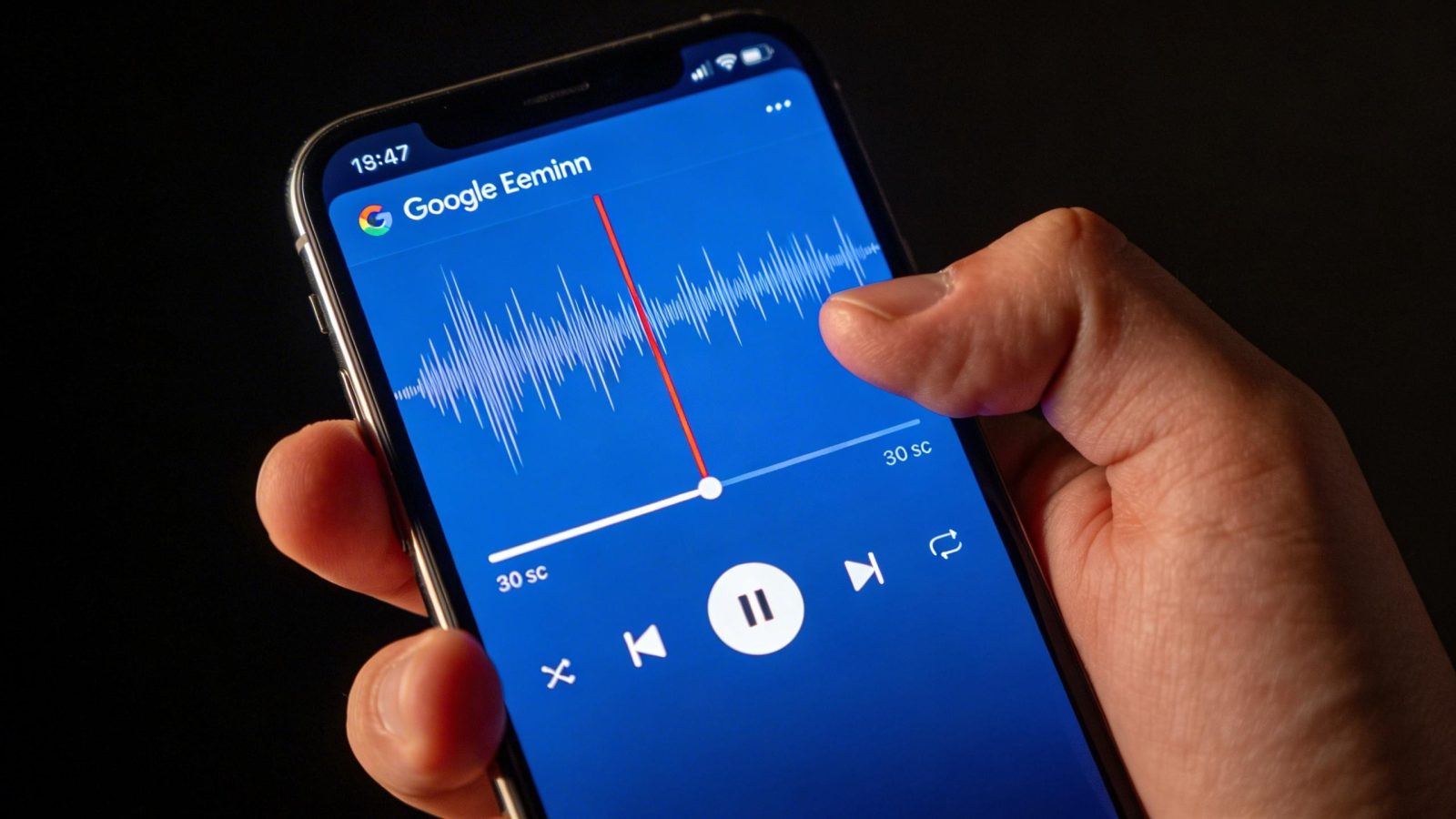
Google DeepMind just made AI music creation free for millions of Gemini users. The catch? You get exactly 30 seconds.
Lyria 3, announced February 18, 2026, brings professional-grade music generation to anyone with the Gemini app—no subscription, no credit card, no hunting down royalty-free loops. Type a prompt, upload a photo, or feed it a video clip, and you get a complete track with vocals, custom cover art, and production quality that rivals viral AI-generated tracks that fooled millions. But Google deliberately capped output at 30 seconds, and that limitation reveals more about the company’s legal strategy than any press release admits.
This is Google’s answer to a question the music industry hoped no one would ask: what happens when AI music costs nothing?
Google just handed AI music to millions—with a 30-second leash
The rollout is massive. All Gemini users 18+ worldwide get access in eight languages—English, German, Spanish, French, Hindi, Japanese, Korean, Portuguese. No waitlist. No premium tier. Just open the app and start generating.
Compare that to Suno’s $10/month subscription for full songs or Udio’s similar paywall model. Google’s betting on volume over revenue, which makes sense when you’re already monetizing Gemini through enterprise licenses. The move extends Google’s Gemini integration strategy beyond text into audio creation—turn the platform people already use for search and email into their music studio.
But that 30-second cap isn’t a technical limitation. Google’s Lyria tech has existed since 2023. The company chose this length deliberately, and the reason is sitting in every major label’s legal department.
YouTube creators are already calling it “game-changing.” One comment: “Turned my dog’s hike pics into a banger in seconds—insane!” That enthusiasm makes sense when your alternative is scrolling through stock music libraries or paying for Adobe Stock Audio. For background loops, social clips, or quick demos, 30 seconds is enough.
The watermark Google won’t advertise
Every single track generated by Lyria 3 carries SynthID, Google’s imperceptible audio watermark. Not optional. Not a feature you toggle on. Mandatory insurance.
This follows a pattern across creative professions facing AI disruption, where access expands faster than quality. Suno and Udio produce 2-4 minute tracks with radio-ready polish. Lyria 3 gives you half a verse and a chorus—if you’re lucky. The length restriction isn’t about audio fidelity or computational cost. It’s about staying under the threshold where a 30-second clip becomes a “song” in copyright terms.
Google developed Lyria starting in 2023, but it took three years to figure out how to launch without triggering lawsuits from every major label simultaneously. The answer: make it useful enough for creators, short enough to avoid replacing actual musicians.
And it’s working. Sort of.
Who this actually serves (and who it doesn’t)
Perfect for: YouTube intros, TikTok backgrounds, podcast bumpers, Instagram Reels. Anything where you need audio texture, not a complete composition. The 30-second limit forces creators to loop outputs or stack multiple generations, which is clunky but manageable for content creators who aren’t trying to make music—they’re trying to make content.
Useless for: anyone needing a full song, professional productions, anything requiring structural editing. This shift mirrors broader questions about how AI changes creative work—access increases, but something gets lost. In this case, it’s intentional. Google’s not trying to replace Suno for hobbyist musicians. They’re targeting the vastly larger market of people who just need “something that sounds good” behind their dog video.
The watermark addresses authenticity concerns, but it also broadcasts exactly what this is: AI-generated filler, not human artistry. That distinction matters less to a travel vlogger than it does to Spotify’s editorial team.
Google just made music creation accessible to more people than any tool in history. And they deliberately capped it to protect the industry they’re disrupting. The question isn’t whether AI will replace musicians—it’s whether Google’s 30-second compromise delays that fight or just makes it inevitable. Right now, millions of creators are generating their first AI tracks. They’re not thinking about copyright law. But Google is.