

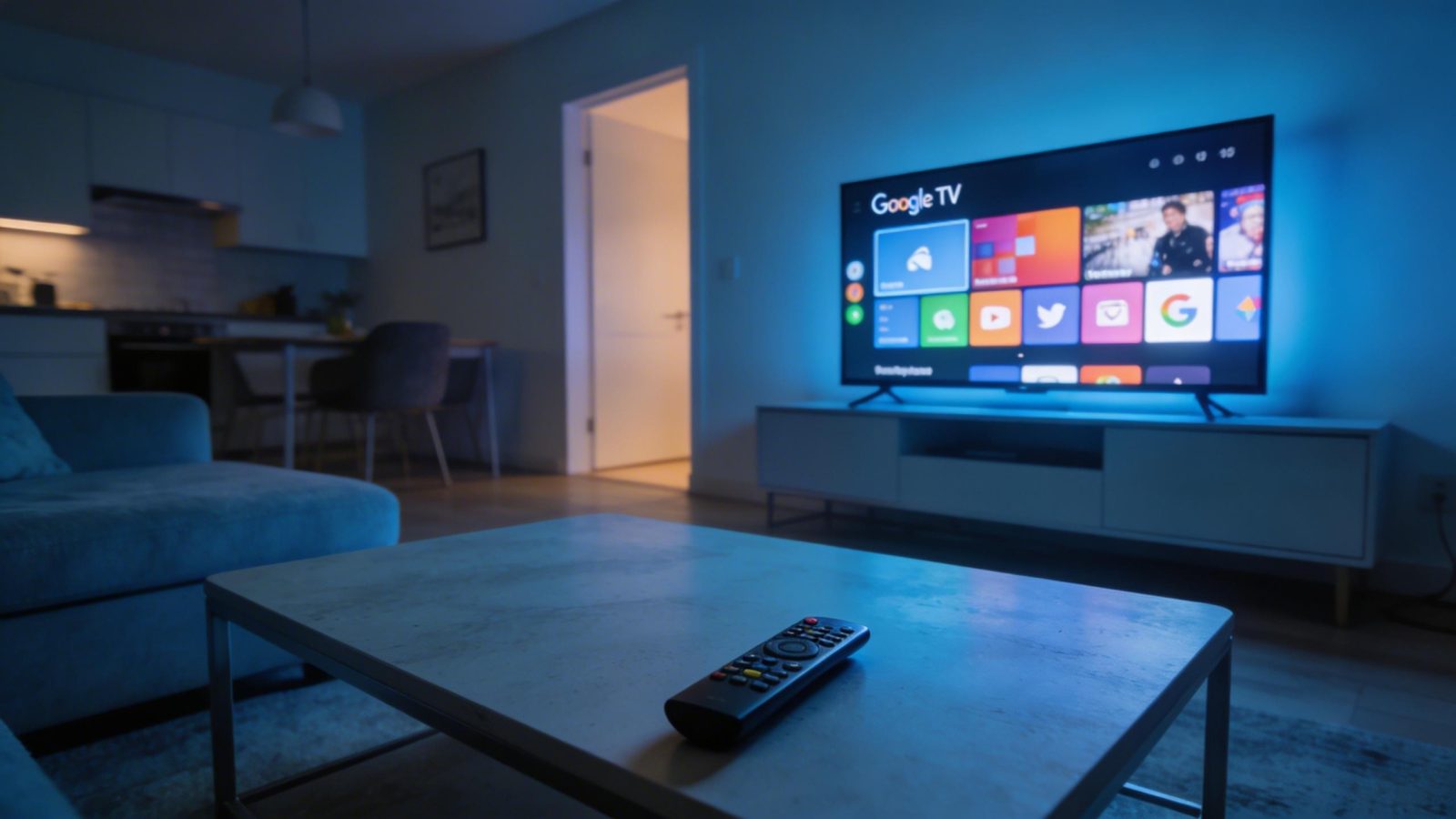
AI features are moving into consumer devices, but pricing remains the hard test. A paid AI layer on Google TV only makes sense if it solves a repeated user problem better than search, voice control, or existing recommendations.
- The value depends on everyday usefulness, not the presence of AI branding.
- Subscription pricing raises the bar because users already pay for hardware and streaming services.
- The broader trend is clear: AI assistants are being embedded into screens, remotes, and home interfaces.
For more context, see the Tools section.
The tech works — the interface doesn’t
Google’s engineering here is real. Gemini can parse embedded recipe videos, generate live NBA scorecards with “where to watch” links, and narrate breakdowns on complex topics — all through voice commands. The same voice-commanded workflows reshaping office work now face their biggest test: convincing people to interrogate their TVs like research assistants.
But TVs aren’t laptops.
You lean back on a couch with a remote, not lean forward with a keyboard. The cognitive load of voice commands — “Hey Google, show me a deep dive on Mediterranean diet benefits with embedded cooking demos” — fights against how people actually use living room screens. One YouTube creator hyped Gemini’s hidden power: “Gemini is the only tool that can go through and interact with tons of different files… understand and watch videos.” True. Also irrelevant if the interface makes you work harder than just opening YouTube on your phone.
And the really impressive stuff? That’s where the paywall hits.
Google’s $20/month bet on a problem nobody asked to solve
Richer visual answers, narrated deep dives, and sports briefs all require Google AI Pro or Ultra subscriptions. AI Pro costs $19.99/month. Ultra runs $249.99/month. Free users get basic voice search — the feature Google TV already had before today.
This isn’t an upgrade for most users. It’s a tier gate.
Compare this to how people actually use TVs: they pick a show, press play, and zone out. They don’t investigate. They don’t narrate. They don’t deep-dive. Google’s subscription tiers follow a familiar pattern — free users get the demo, paid users get the product. But on a shared household device where one person’s $20/month unlocks features for everyone watching? The value prop collapses. Nobody’s paying monthly fees to ask their TV about sports scores when their phone does it for free.
Rollout expands to Australia, New Zealand, and the U.K. this spring. The pricing problem travels with it.
The hardware problem Google isn’t talking about
Even if you wanted to pay, your TV probably can’t run it. These features require Android TV OS 14+, which most Google TV owners don’t have yet. Gemini first launched on Google TV in September 2025 — but only on select TCL models. These CES 2026 previews promised broader availability, but the hardware requirements weren’t disclosed until launch.
This is a slow-burn rollout disguised as a product announcement. The install base won’t support mass adoption for years, and the people who do have compatible hardware are the least likely to need AI-powered video search — they’re early adopters who already use voice assistants everywhere else.
Google built the AI. The video understanding is legitimate. Gemini’s growing reach across Google’s ecosystem makes this TV integration feel inevitable — even if the execution doesn’t.
Now it needs to figure out if anyone actually wants to interrogate their TV — and whether they’ll pay monthly for the privilege.
