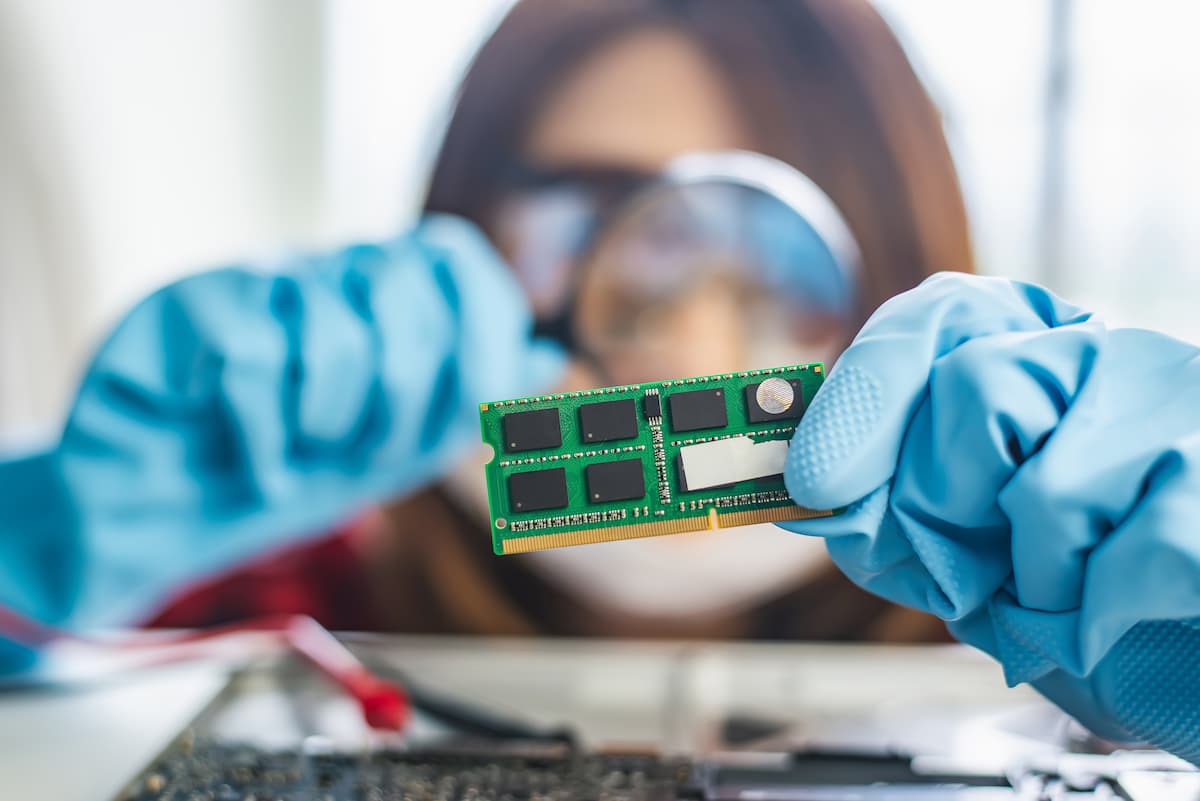
The global technology landscape is experiencing a significant transformation, propelled by the relentless demand for faster and more capable devices. Behind this surge, memory shortages—especially concerning RAM—are casting a long shadow over both PC and smartphone markets. The rapid rise of artificial intelligence (AI) has accelerated these pressures, driving up device costs and limiting availability for consumers around the world.
Why is there a global ram shortage?
Recent breakthroughs in AI have unlocked new possibilities, but this progress comes with substantial consequences. The proliferation of AI factories—large-scale data processing centers—has created unprecedented demand for memory chips. These facilities require vast quantities of RAM to manage immense datasets, which directly impacts what remains available for consumer electronics.
Historically, the memory market has cycled between periods of shortage and surplus. What distinguishes the current situation is the sustained increase in demand, fueled by continuous advancements in AI technologies. Instead of quickly returning to equilibrium, industry analysts predict a prolonged imbalance that could disrupt the traditional rhythm of supply and demand for years to come.
- Greater competition among technology companies for limited memory resources
- Fewer units available for laptops, desktops, and mobile devices
- Longer wait times for buyers seeking specific product configurations
How has ai changed supply and demand dynamics?
Artificial intelligence is far more than just a buzzword; it fundamentally alters how businesses approach hardware planning. Significant investments now target server-grade and high-capacity memory modules needed for machine learning operations. This shift inevitably prioritizes enterprise needs, leaving the consumer segment with dwindling options or rising price points.
Consider the example of smartphone manufacturers expanding their product lines to feature AI-powered capabilities. As these companies race to meet evolving expectations, their appetite for premium components intensifies. This heightened demand reverberates throughout the entire supply chain, affecting every category of device on the market.
Supercycle fears and long-term outlook
Industry experts increasingly refer to the current environment as a ‘supercycle,’ describing both the scale and duration of elevated demand as potentially record-breaking. In previous cycles, surges would resolve within several quarters as oversupply eventually softened prices. Now, most forecasts suggest years of ongoing tightness, especially for advanced memory types favored by AI applications.
Leaders in the field anticipate that high RAM prices could persist until late 2027 or beyond. While certain sectors may see some stabilization, affordable devices and entry-level memory upgrades will remain under pressure due to continued upstream constraints.
Impact on the smartphone and pc markets
Everyday buyers are already feeling the effects: Specific device variants no longer appear readily on store shelves, while price hikes impact both premium and budget-friendly products. Sales teams face mounting challenges in meeting popular demand, so those searching for a high-performance PC or an affordable smartphone encounter higher bills and fewer promotions.
This strain also restricts customization choices. Individuals hoping to upgrade RAM or purchase modular memory must either endure longer waits or pay significantly more than in years past.
Adaptation strategies in an evolving market
Companies across the supply chain are actively responding to these challenges. Leading memory producers have launched multi-billion dollar investment campaigns to expand production capacity, but most new facilities will not be operational before the decade’s end. Until then, output growth struggles to keep pace with the explosive rise in demand.
Meanwhile, manufacturers outside the established industry giants see fresh opportunities. Firms from regions less affected by bottlenecks may help satisfy mainstream memory needs, though they still trail behind when it comes to producing the cutting-edge chips required for flagship devices and sophisticated AI systems.
- Increased funding for factory expansion initiatives
- Diversification of supplier portfolios by major technology brands
- Emergence of secondary manufacturing hubs in new geographic regions
| Year | Expected trend for RAM prices | Possible market response |
|---|---|---|
| 2024 | Rapid increase | Depleted stocks, initial price hikes |
| 2025-2026 | High prices maintained | Delayed product launches, reduced configurations |
| 2027+ | Slow stabilization | Gradual improvement, lingering high costs |
What can consumers expect in the near term?
For those contemplating the purchase of a new computer or smartphone, flexibility will be crucial. With inventory constraints likely to continue, prospective buyers should prepare for longer waiting periods and increased spending, especially when searching for specific builds or mid-range models.
Although supply-side innovations and new market entrants may gradually improve the outlook, meaningful price relief remains a distant prospect. Persistent demand from AI projects and enterprise computing ensures that business priorities dominate, leaving everyday users to navigate a challenging marketplace with few easy solutions.