

If you’ve been scrolling through tech news lately, you’ve probably seen one word everywhere: agents. And more recently, tools like OpenClaw getting huge attention.
But when you ask people what all this actually means, the answers are often vague. So let’s break it down simply — like I’m explaining it to a friend who’s lost in the AI jargon.
Before Agents: The Chatbot Era
Until recently, most AI tools worked the same way.
You opened something like:
- ChatGPT
- Claude
- Gemini
You asked a question. It replied.
That’s it.
Behind the scenes, these tools are powered by LLMs (Large Language Models). Think of an LLM like a very smart friend you can text.
They can explain things, write content, summarize documents, or generate ideas. But there’s one big limitation:
They can talk. They can’t act.
They wait for instructions. They don’t take initiative. And they don’t interact with the real world unless you guide them step by step.
The First Step Forward: Connecting AI to Tools
Then came an important evolution: giving LLMs access to external tools (via MCP).
Instead of just answering, AI could now:
- Search the web
- Analyze files
- Run code
- Access apps or APIs
This is what frameworks like MCP (Model Context Protocol) and tool integrations made possible.
For the first time, chatbots could actually do things, not just explain how to do them.
That already felt like a big leap.
The Real Shift: From Chatbots to Agents
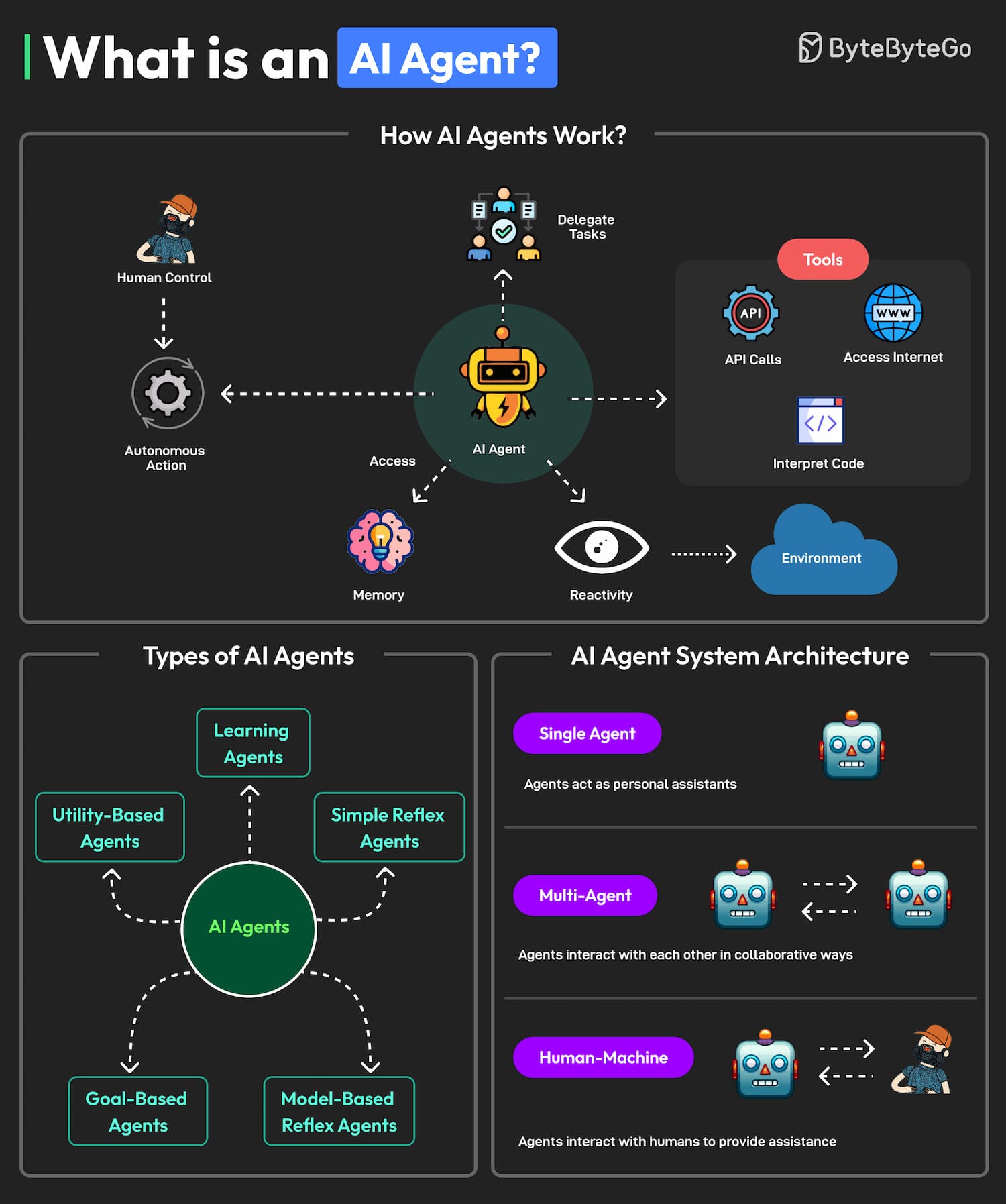
An AI agent goes one step further.
Instead of waiting for instructions at every step, you give it a goal.
And it figures out the rest.
An agent typically includes:
- An LLM (the brain)
- Memory (so it remembers what it did)
- A system prompt (its instructions and behavior)
- Tools (web, email, code, apps, etc.)
The key difference is autonomy.
A chatbot answers. An agent works.
You don’t guide every step. It plans, executes, checks results, and continues until the task is done.
Why OpenClaw Changed Everything?
Agent frameworks already existed before tools like OpenClaw. Platforms such as automation builders or workflow tools allowed you to create AI agents.
The problem?
You had to configure everything manually.
- Define each step
- Connect every tool
- Set permissions
- Design the workflow
It was powerful — but technical and time-consuming.
OpenClaw changes that.
Instead of building the system yourself, you just talk to it.
And the agent automatically:
- Manages its memory
- Chooses the right model
- Writes its own internal instructions
- Connects to tools
- Creates workflows on the fly
No manual setup. Just conversation.
The Biggest Leap: Sub-Agents
This is where things start to feel like a real shift.
Advanced agent systems like OpenClaw don’t just execute tasks. They can create sub-agents to handle parts of the work.
For example:
You ask: “Turn my newsletters into a daily audio summary.”
The system might:
- Create one sub-agent to access Gmail
- Another to summarize content
- Another to generate audio
While those sub-agents work in the background, you can keep interacting with the main agent.
When the task is finished, the result comes back.
And the most important part:
You didn’t configure any of this.
Why This Feels Like a New Phase of AI
We’ve moved through several stages:
- Before LLMs: Traditional automation (manual scripts and workflows)
- LLMs: AI that can talk and reason
- Tool-connected LLMs: AI that can take actions
- Agents: AI that can work autonomously
- Agent systems like OpenClaw: AI that builds and manages its own teams of sub-agents
The shift isn’t about better chat. It’s about delegating work.
Instead of asking AI for help, you give it a task and let it handle the process.
The Simple Way to Remember
LLM = a smart brain you talk to.
Agent = a worker powered by that brain.
Agent system (like OpenClaw) = a manager that creates other workers when needed.
Why People Are Both Excited and Nervous?
This level of autonomy is powerful — but it also raises new questions:
- Security (what tools does the agent access?)
- Permissions (what is it allowed to do?)
- Cost (autonomous loops can call models many times)
- Control (how much should be automated?)
That’s why tools like OpenClaw feel exciting — and a little scary at the same time.
The Bottom Line
The AI revolution isn’t just about smarter models anymore.
It’s about moving from AI that answers questions to AI that completes work on its own.
We’re not just building better chatbots.
We’re building digital workers.
