

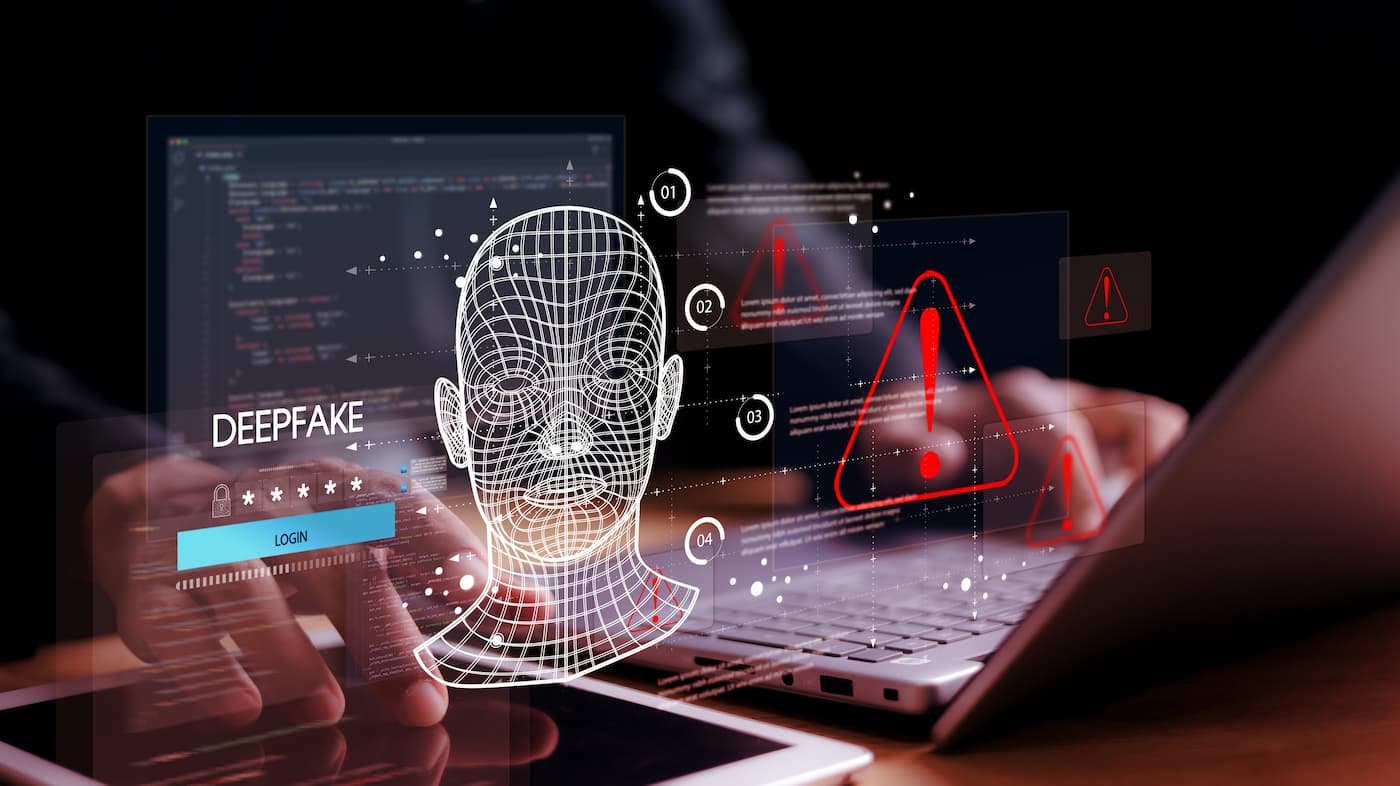
As artificial intelligence technology evolves, a new digital threat has rapidly emerged: deepfake fraud. More than just a technological curiosity, deepfakes—videos or audio generated to mimic real people—are reshaping the world of online crime.
What started as a tool for niche internet pranksters has escalated into large-scale operations, with scammers using advanced deepfakes to launch convincing attacks worldwide.
What is driving the surge in deepfake-enabled fraud?
Not long ago, creating realistic fake videos or voices demanded significant technical expertise and costly equipment. Today, breakthroughs in generative AI tools have changed the game. Almost anyone with a basic laptop and internet access can now use software to produce highly convincing impersonations within minutes. This dramatic reduction in cost and complexity means malicious actors face few barriers to entry.
The spread of open-source projects and extensive AI models trained on public data also plays a major role. As these resources expand, scam artists can craft customized content with ease. Fraudulent activity has grown from isolated incidents into a production line targeting both individuals and organizations.
How are deepfakes being used in financial crimes?
While classic scams relied on phishing emails or suspicious phone calls, modern fraudsters have elevated their strategies with highly personalized campaigns. For instance, there have been cases where fake investment pitches featured public figures, or where deepfake doctors promoted dubious health products. The impact goes beyond misleading advertisements—a single convincing video can undermine trust in legitimate institutions.
Voice cloning adds another layer to this deception. Criminals imitate relatives or officials over the phone, urging victims to transfer funds or disclose sensitive information. Such tailored manipulation makes detection extremely challenging—even cautious recipients may struggle to identify expertly crafted fakes.
- Video impersonation of celebrities and politicians for product endorsements
- Fake job interviews conducted with AI-generated visuals
- Audio scams posing as trusted contacts seeking urgent assistance
Real-world examples illustrating the risk
Researchers have documented dozens of recent cases where deepfakes played a central role in online fraud. In several instances, high-ranking government officials appeared on social media endorsing questionable investments—though neither their words nor gestures were genuine. Viewers saw familiar faces and heard recognizable voices, lending undeserved credibility to fraudulent schemes.
One notable case involved a hiring manager who received a recommendation from a seemingly credible source. During a video interview, oddities became apparent: blurred edges around the figure and digital glitches in the background. Suspicion grew, and a deepfake specialist later confirmed that the candidate never existed—the entire encounter had been computer-generated in an attempt to extract confidential business information.
Consequences for digital trust
The consequences reach far beyond individual victims. As deepfakes become more common, people and organizations may start questioning the authenticity of almost every digital interaction. Whether it is a call from a family member or a message from a work contact, doubt becomes the default reaction. This erosion of confidence poses a serious threat: if trust in images, voices, or conversations online collapses, the very foundation of digital communication is compromised.
For businesses, this situation demands a review of security practices, adoption of AI-powered safeguards, or even a return to traditional verification steps such as callbacks or face-to-face confirmations. Any system relying solely on audiovisual cues is now under heightened scrutiny.
How easy is it to spot a deepfake?
Even experienced professionals are sometimes fooled by sophisticated forgeries. Subtle inconsistencies—an unnatural facial movement, imperfect blending of backgrounds, or slightly blurred features—can escape notice without specialized training or equipment. To counter these threats, companies developing deepfake detection algorithms employ forensic techniques, but these solutions often lag behind the latest advances in AI.
This ongoing arms race between deepfake creators and those building countermeasures continues to accelerate. Most experts agree that, for now, both individuals and organizations must remain vigilant while detection technologies strive to keep pace.
Deepfake scams versus traditional methods: a comparison
| Aspect | Traditional scam | Deepfake scam |
|---|---|---|
| Effort required | High: manual pretexting, detailed planning | Low: automated AI tools create instant content |
| Personalization | Limited: generic approaches often reused | Very high: targets receive custom-tailored messages/audio/video |
| Detection difficulty | Moderate: clues often visible to the aware | High: realistic imagery and sound create plausible deceptions |
| Scale | Smaller: relies on human effort | Massive: easy replication and distribution worldwide |
What can be done to counteract deepfake fraud?
Awareness and education are essential defenses against scams empowered by AI. Individuals are urged to treat unexpected requests for money or personal details with skepticism, particularly when delivered via video calls or unfamiliar channels. Organizations are responding by investing in authentication systems and exploring biometric checks or AI screening for incoming communications.
On a broader level, closer collaboration among governments, technology sectors, and academic researchers will shape the response to this evolving threat. By sharing threat intelligence and updating security standards, it becomes possible to limit the damage caused by deepfake-driven fraud and preserve trust in digital interactions.
