


Modern knowledge systems are shifting from static archives to proactive assistants capable of autonomous reasoning. The manual burden of tagging and filing notes has become the primary barrier to effective digital memory. Identifying the best ai agents for personal knowledge management 2026 is now essential to maintaining a high-functioning second brain without the administrative friction.
This guide evaluates the leading agentic tools designed to automate organization and enhance creative synthesis. We analyze how these platforms leverage new protocols to transform raw data into actionable intelligence.
- Evaluation Framework for Best AI Agents for Personal Knowledge Management 2026
- Mem.ai: 3 Core Features for Zero-Maintenance Notes
- Tana: The Command Center for Structured Knowledge
- Notion AI: The All-in-One Collaborative Powerhouse
- Obsidian: The Local-First Choice for Data Sovereignty
- Buildin: The Integrated Agentic Workspace for Research
- Limitless: The Passive Capture Layer for Temporal Memory
- Personal AI: The Digital Twin for Knowledge Synthesis
- MyMind: The Visual Alternative for Semantic Discovery
- How to Migrate to Agentic Knowledge Systems?
Evaluation Framework for Best AI Agents for Personal Knowledge Management 2026
Modern PKM in 2026 prioritizes agentic automation via Model Context Protocol (MCP) and semantic search to eliminate manual tagging. Top tools like Mem, Tana, and Notion AI now automate knowledge upkeep through proactive context surfacing and local-first data grounding.
This shift toward automated maintenance directly addresses the long-standing friction inherent in traditional note-taking systems.
Solving the Upkeep Problem
Manual tagging is obsolete. Modern systems move away from constant filing. Old structures fail because information friction prevents consistent usage. Automation now handles the heavy lifting of organization.
Agentic reasoning reduces cognitive load significantly. Agents categorize data by semantic meaning instead of rigid folders. This change saves hours of administrative work weekly. Knowledge retrieval becomes instant and effortless.
Manual upkeep has a hidden cost. Users stop taking notes when friction is high. Automation ensures every piece of information remains accessible. It keeps the second brain useful without manual intervention.
Beyond internal organization, the integration of standardized protocols allows these agents to interact with the broader digital world.
MCP and External Connectivity
An open standard enabling AI models to connect securely to local and remote data sources, acting as a universal connector for personal knowledge ecosystems.
The Model Context Protocol (MCP) is central. It acts as a standardized layer for agent interoperability. This protocol allows different AI tools to exchange data securely. Efficiency improves across the entire stack.
PKM systems now connect to external AI agents. Users link notes to specialized research tools easily. This connectivity expands the utility of a second brain. It creates a unified ecosystem for all personal data.
Standardized data exchange offers major benefits. It prevents vendor lock-in effectively. Search accuracy reaches new heights. Semantic interoperability is the gold standard for knowledge management in 2026.
While connectivity is vital, the physical location of data processing introduces critical choices regarding privacy and performance.
Local-First Privacy Trade-offs
Local-first encryption competes with cloud connectivity. Privacy-conscious users keep data on their hardware. Cloud systems offer superior AI processing power. Collaboration features are often easier in the cloud.
Security requirements for grounding personal data are strict. Using private API keys provides more control. It ensures sensitive information avoids public model training. Security remains a top priority for experts.
Convenience and sovereignty require a careful balance. Some tools offer hybrid models for flexibility. Choosing the right path depends on specific needs. Evaluate your threat model and workflow carefully.
Mem.ai: 3 Core Features for Zero-Maintenance Notes
While privacy is a major concern, tools like Mem.ai focus on removing the friction of organization entirely through advanced neural networks.
Neural Search Capabilities
Semantic search prioritizes intent over simple keywords. This technology is a cornerstone for the best ai note taking apps in 2026, ensuring deeper comprehension.
Users can dump raw thoughts into the app without worry. The AI indexes everything based on context. It finds what you need even if you forget the title. This handles messy, unorganized data streams effectively.
Mem handles thousands of notes without slowing down. Retrieval speed remains consistent across massive knowledge bases. This performance is vital for long-term users who accumulate data daily.
Proactive Contextual Surfacing
Agents suggest relevant notes during active writing. The sidebar updates in real-time as you type. It pulls up related projects and past ideas to spark your creativity.
The true power of an AI agent lies not in answering questions, but in surfacing the right information before you even think to ask for it.
The AI links disparate topics that a human might miss. This mechanism identifies forgotten connections between notes. Such synthesis leads to better creative output and more original results.
Automated Inbox Processing
AI-driven triage manages incoming documents and links. The system automatically routes new items to the correct location. It removes the need for manual sorting or daily cleanup tasks.
- Auto-tagging by project name
- Automatic extraction of action items
- Sentiment analysis of meeting notes
- Link deduplication
Users spend more time thinking and less time filing. Administrative tasks see a significant reduction. This efficiency gain is the primary reason professionals choose Mem for their PKM.
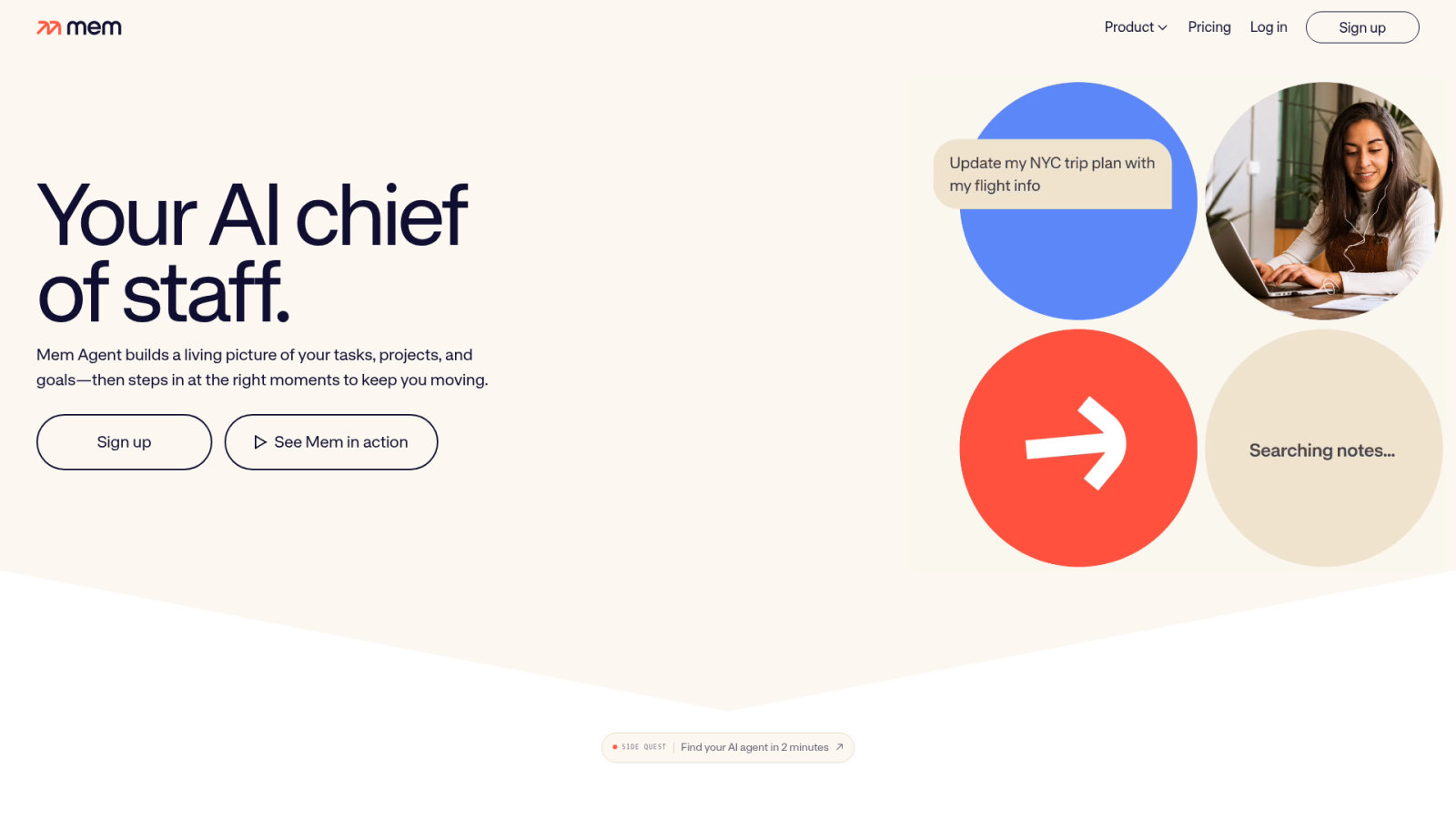
Tana: The Command Center for Structured Knowledge
If Mem is about fluid thoughts, Tana represents the opposite end of the spectrum, offering a highly structured, object-oriented approach to knowledge.
Supertags and Structured Data
Tana utilizes an object-oriented approach to note-taking. Every node can be transformed into a specific object type. This enables precise filtering and data manipulation across the entire graph.
Supertags enable automated data workflows. A tag triggers specific AI prompts or formatting rules. It converts a simple note into a rich database entry. This structure supports complex project management.
Structured data improves AI-driven retrieval. Clear context allows LLMs to parse information accurately. Defined relationships reduce hallucinations significantly. Nodes provide the essential framework for reliable AI interaction.
Tana Capture and Voice Input
The mobile capture process prioritizes speed. The Tana Capture app offers a simple interface for field notes. Users send text, images, and links directly to their central inbox.
AI transforms voice memos into structured tasks automatically. The system transcribes audio and extracts key data points. It assigns tags based on recording content. This automation streamlines the transition from thought to action.
Multimedia integration enriches the knowledge graph. Images and videos function as searchable nodes. This creates a multi-modal system reflecting real-world inputs. Users maintain a comprehensive digital archive of diverse media.
Agentic Schema Maintenance
AI suggests improvements to existing data structures. The system identifies patterns within notes and proposes new supertags. This helps your knowledge system evolve without manual redesigns.
Automated agents handle repetitive metadata updates. The AI populates dates, status fields, and related links. This keeps the database clean and current. It scales efficiently for experts managing large datasets.
Tana manages deep hierarchies and thousands of interconnected nodes. It provides scalability for complex personal projects. It is the ultimate tool for users prioritizing structure and agentic automation.
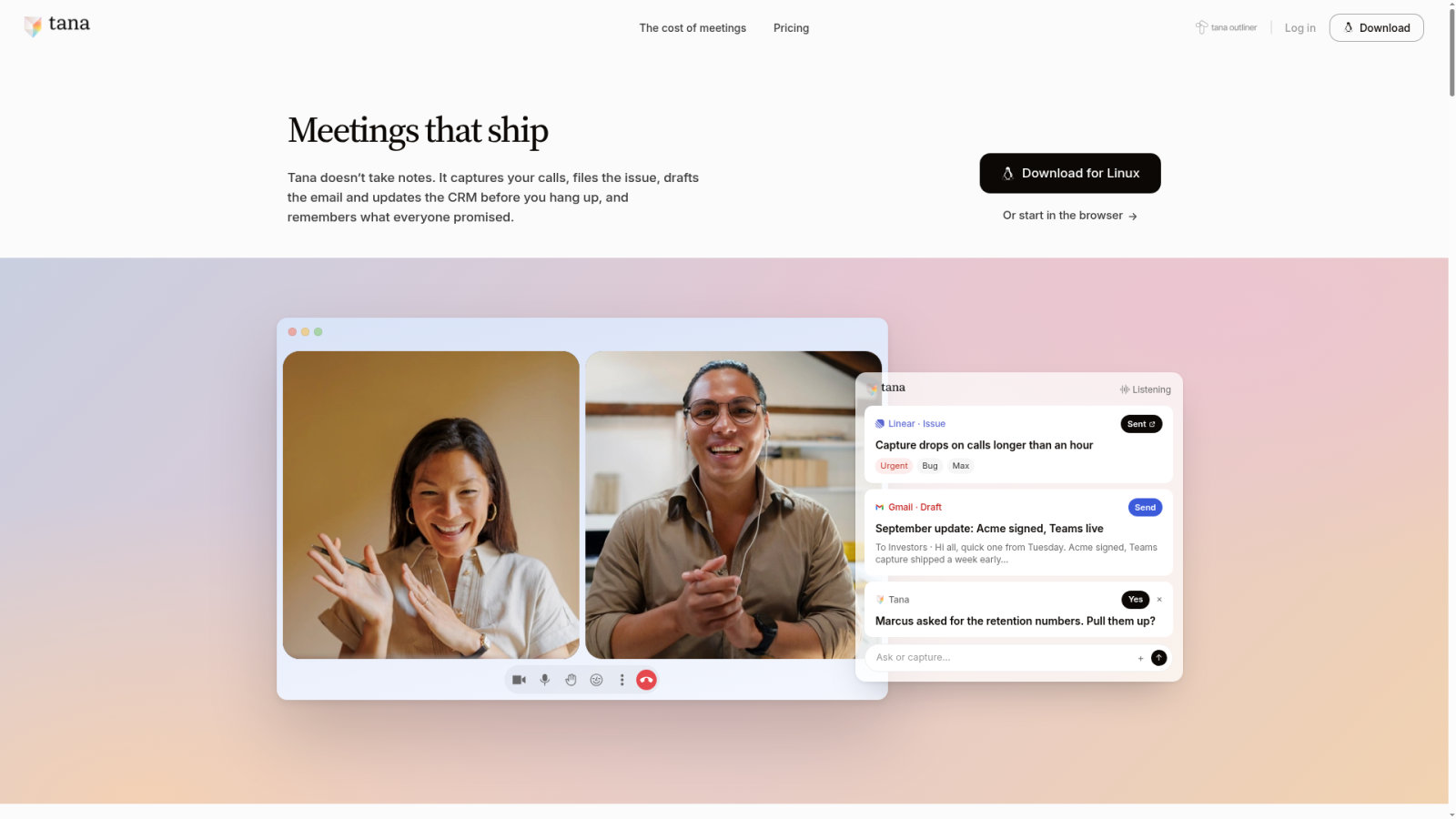
Notion AI: The All-in-One Collaborative Powerhouse
While Tana excels at personal structure, Notion AI leverages its massive user base to bridge the gap between individual notes and team collaboration.
QA Across Workspace Pages
Notion AI features a natural language interface for querying documents. You can ask specific questions about your entire workspace. It effectively searches through pages, databases, and comments for answers.
The system grounds AI responses directly in your workspace data. This method uses your specific notes to provide accurate information. It reduces general noise and focuses on proprietary knowledge for research.
The AI synthesizes information across multiple pages with high accuracy. It can summarize various documents into a single, cohesive briefing. This functionality saves significant time during project reviews.
Automated Database Properties
Notion AI fills database fields automatically using page content. It extracts summaries, key dates, and action items instantly. This process transforms static tables into dynamic, self-updating project trackers.
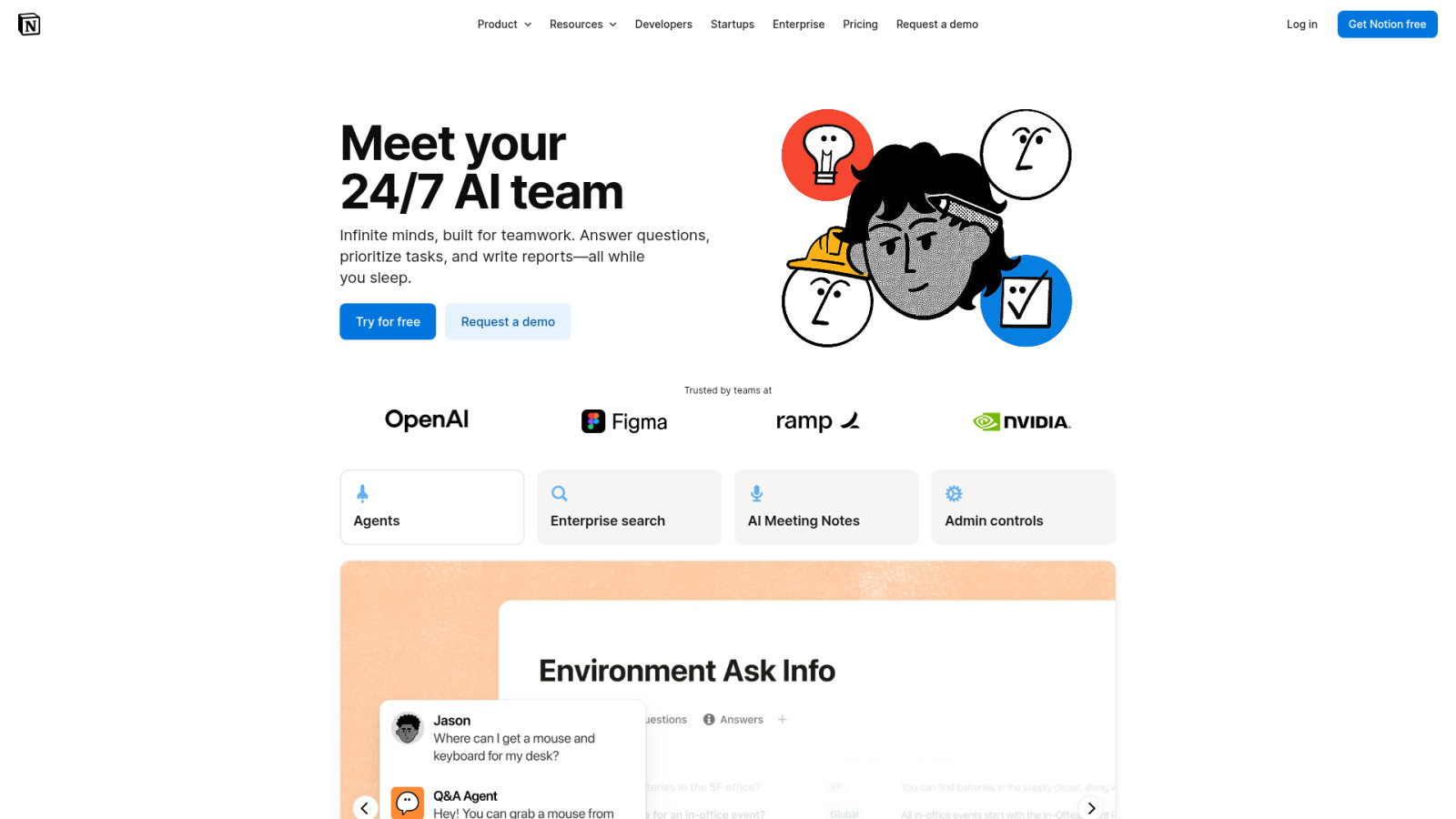
The system excels at auto-summarizing long-form project notes. Users can find more insights on best AI personal assistants in 2026 tested ranked to compare these features. It streamlines information processing.
Automated properties improve team-wide knowledge visibility significantly. Stakeholders stay informed without reading every minor update. These properties ensure that high-level dashboards remain accurate and useful for decision-making.
Collaborative Knowledge Layers
Notion facilitates a smooth transition between individual PKM and shared databases. It allows users to move private thoughts to team spaces instantly. This flexibility supports both solo and collective work.
Permission management remains central to AI-assisted search. The AI only accesses pages that the specific user is authorized to see. This security protocol is a critical requirement for enterprise users.
Shared knowledge becomes a valuable asset when it is easily searchable. Efficient retrieval turns a collection of pages into a living company brain. The best AI agents for personal knowledge management 2026 prioritize this synthesis.
Obsidian: The Local-First Choice for Data Sovereignty
For those who distrust cloud-based giants like Notion, Obsidian offers a fortress of privacy through local-first storage and open-source formats.
Local LLM Integration
Setting up private AI models on local hardware is now straightforward. Users run LLMs directly on their machines using specialized plugins. This setup ensures no data ever leaves the local environment.
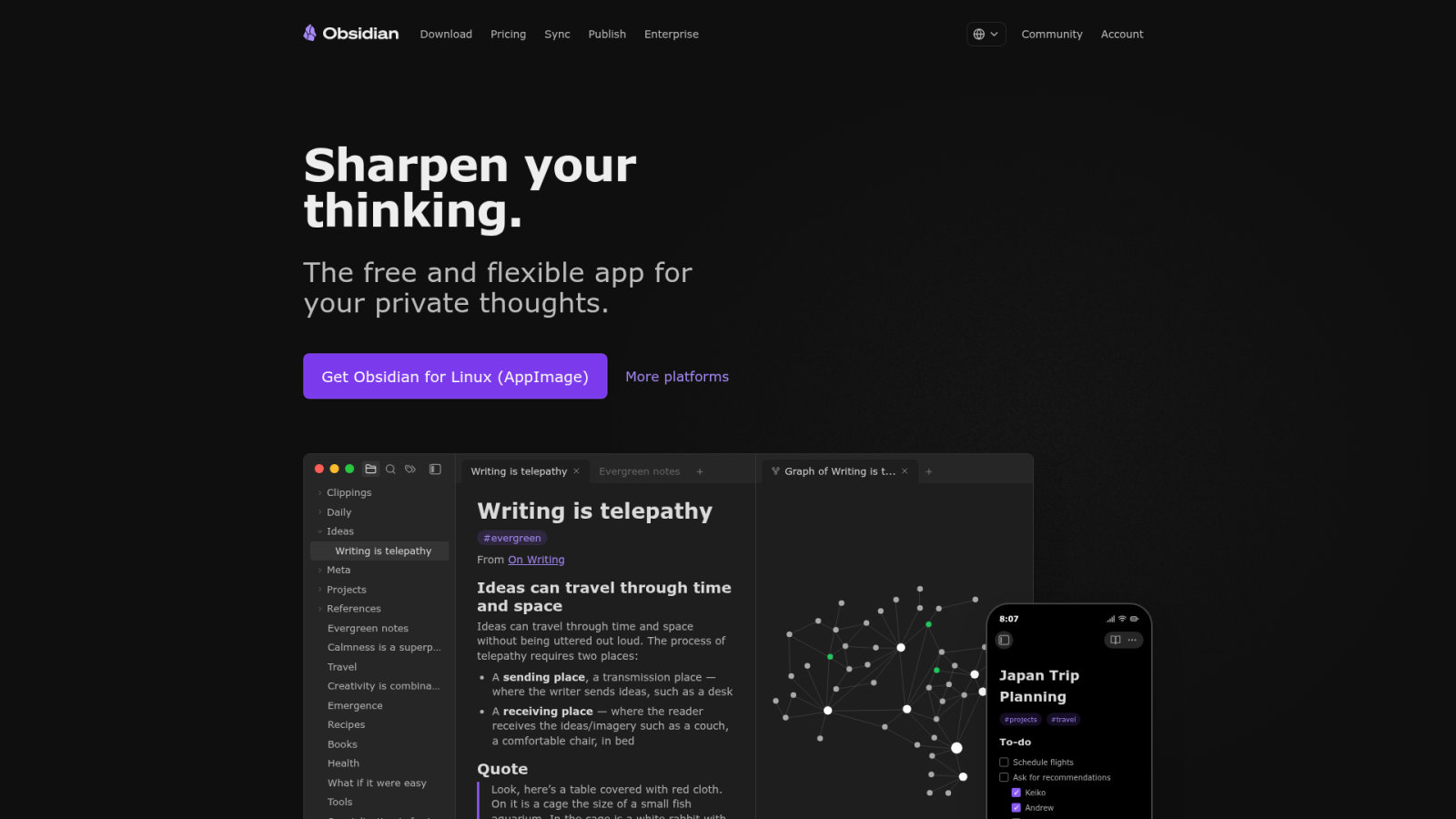
Offline knowledge processing provides unmatched security benefits. There is no risk of data breaches or unauthorized access by third parties. Your second brain remains under your control. This is the ultimate setup for privacy enthusiasts.
Local models are getting faster but still require powerful hardware. The performance trade-off compared to cloud agents is significant. However, it is worth it for those prioritizing total data sovereignty.
Local-first setups require robust hardware (high VRAM) to run modern LLMs effectively and place the full responsibility of data backups and hardware security on the user.
Smart Connections Plugin
The Smart Connections plugin utilizes vector-based linking for markdown files. It analyzes the content of your notes to find deep similarities. The tool then suggests links between files sharing thematic resonance.
- Visualizing semantic clusters
- Identifying orphan notes with potential links
- Automated backlink suggestions
- Similarity scoring between documents
The AI facilitates the discovery of non-obvious thematic links. It helps you see evolving patterns in your thinking. This enhances the long-term value of a markdown-based knowledge archive.
Vector Database Storage
Local files undergo indexing for semantic retrieval. The system creates embeddings for every paragraph in your vault. These embeddings reside in a local vector database for fast searching.
Modern CPUs handle the indexing process in the background. This allows for advanced AI features without a constant internet connection. Such a setup is a game-changer for digital nomads.
Data longevity is guaranteed by open-source formats. Markdown files will be readable for decades. Unlike proprietary apps, Obsidian ensures your knowledge remains yours forever.
Buildin: The Integrated Agentic Workspace for Research
While Obsidian focuses on storage, Buildin prioritizes the active research phase, turning your notes into a launchpad for complex AI-driven workflows.
Multi-Model Logic Flows
Buildin enables seamless switching between diverse AI models. You can deploy GPT-4, Claude, or Llama based on specific task requirements. This flexibility guarantees the optimal tool for every objective.
The platform excels at orchestrating intricate research workflows. Users can access a ChatGOT review 2026 to understand how multi-model aggregators enhance these logic flows. It treats LLMs as interchangeable inference engines.
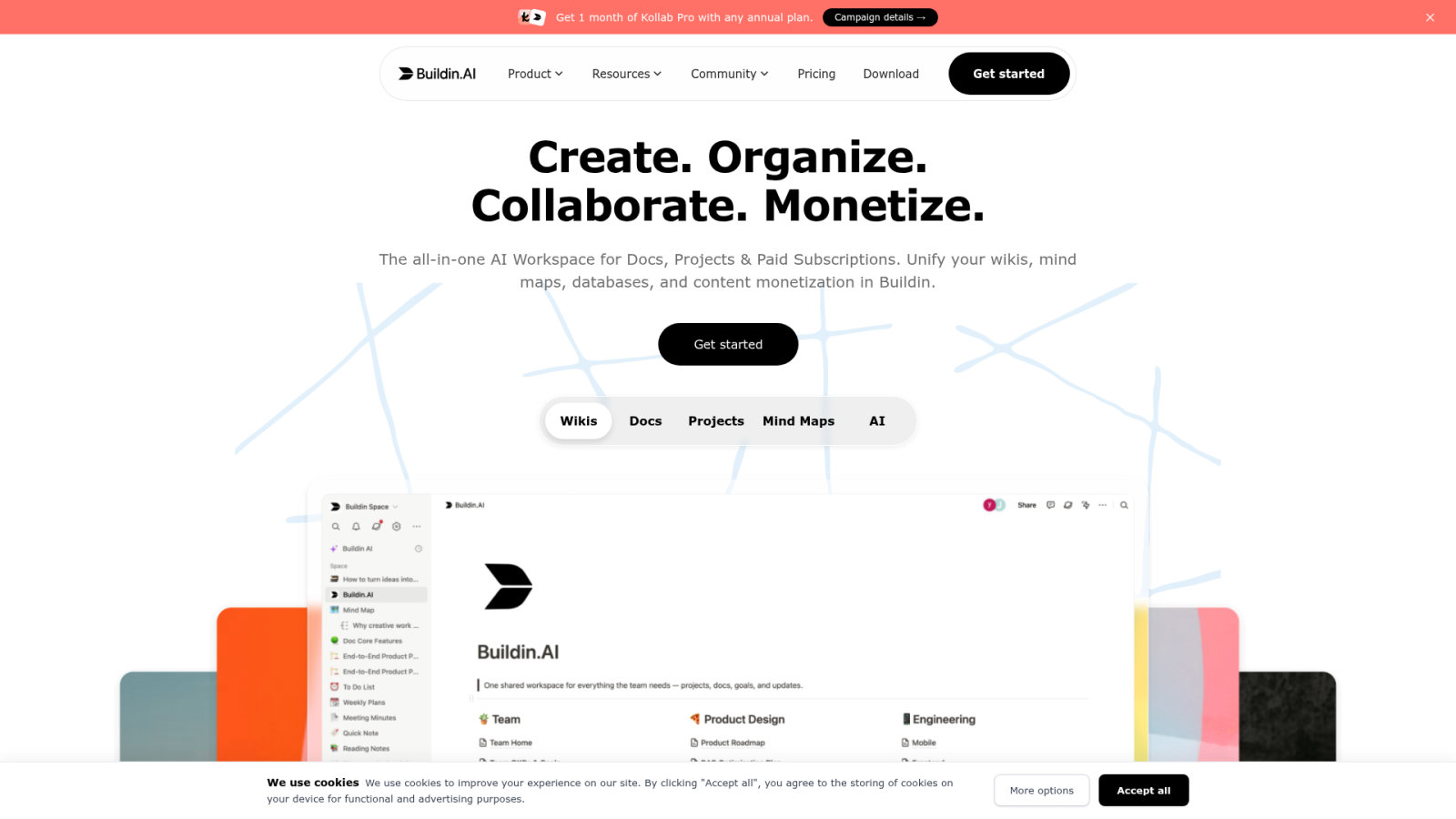
Specific models serve distinct functions effectively. Certain LLMs dominate in coding logic, while others prioritize creative output. Buildin integrates these specialized strengths into a unified, high-performance workspace.
Content Transformation Tools
AI agents instantly modify note structure and tone. Rough drafts become professional reports with minimal manual input. This automation ensures high-quality formatting for all captured knowledge.
Agents scan raw research to extract concrete action items. This process identifies immediate next steps for the user. It effectively bridges the gap between passive consumption and professional execution.
The system synthesizes multiple sources into singular, cohesive reports. It identifies common themes and contrasting viewpoints across datasets. This functionality saves significant time for academic and corporate researchers.
Research Agent Loops
Autonomous agents execute external web searches independently. They retrieve current events and integrate them directly into existing notes. These loops maintain a real-time connection to global information.
The future of research is not just about finding information, but about agents that can verify facts against your own personal records in real-time.
Automating search and verification drastically reduces manual labor. This efficiency allows users to focus on high-level analysis rather than data gathering. Buildin defines the next iteration of best ai agents for personal knowledge management 2026.
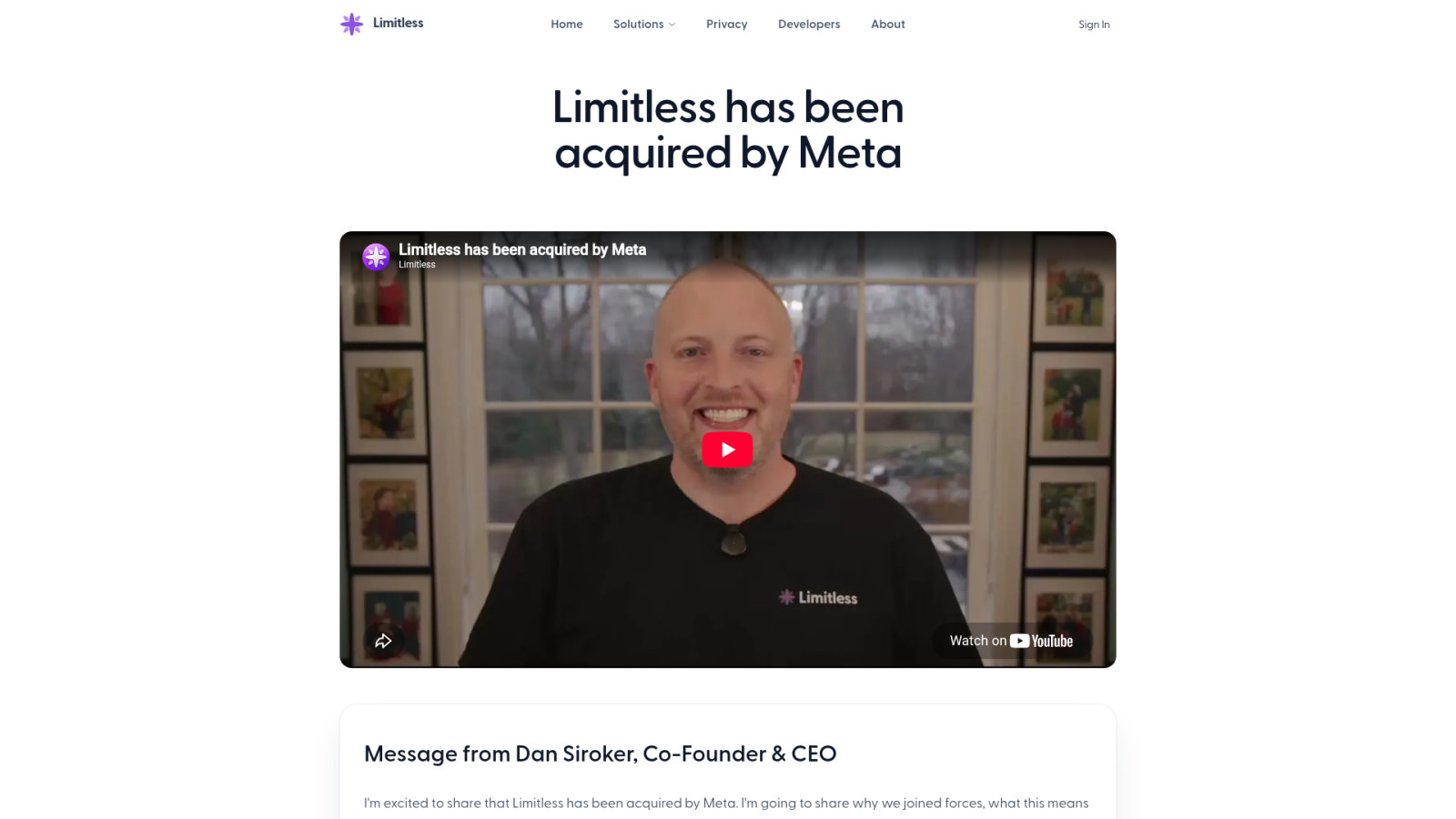
Limitless: The Passive Capture Layer for Temporal Memory
Moving away from active research, Limitless focuses on the “passive” side of PKM, capturing the moments of your life that usually slip through the cracks.
Passive Audio Capture
Limitless runs in the background, capturing every conversation you have. It provides a perfect transcript of your day without any manual effort. This ensures recording and transcription of real-world meetings.
Privacy controls manage sensitive conversations effectively. Users can toggle recording for specific moments. This is a key differentiator compared to other tools in the best ai agents for personal knowledge management 2026 market. Check out this Otter AI review 2026 for comparison.
The system links recordings to specific meetings and participants. This creates a rich, temporal context for every piece of captured information. It integrates seamlessly with digital calendar events.
Temporal Knowledge Retrieval
You can ask the AI what you discussed last Tuesday at lunch. It reconstructs the conversation and provides the key takeaways instantly. Searching for information is based on time and context.
The AI identifies who said what and what was agreed upon. This eliminates the need for manual meeting minutes. It is a powerful tool for accountability and clarity. Past meeting decisions are reconstructed accurately.
Having a searchable record of your life reduces the stress of forgetting. Limitless acts as a prosthetic for human memory. The chronological memory buffer provides immense utility for daily operations.
Cross-Device Privacy Standards
All recordings are encrypted end-to-end. Only the user has the keys to decrypt and listen to their personal audio history. This describes the encryption protocols for captured audio data.
You can set the system to delete recordings after a certain period. This ensures compliance with personal privacy preferences and legal requirements. Security is paramount. User-defined rules govern data deletion and storage.
Limitless meets the highest industry benchmarks for data protection. Users can trust the system with their most sensitive daily interactions. It maintains strict compliance with GDPR and SOC2 standards.
Personal AI: The Digital Twin for Knowledge Synthesis
While Limitless records your past, Personal AI looks to the future by training a digital twin that can think and speak just like you.
Individual Model Training
Training involves feeding your specific notes, emails, and academic papers into the system. The AI analyzes these inputs to internalize your unique perspective. It builds a personalized knowledge base over time.
The digital twin meticulously preserves your personal voice and writing style. It generates drafts that mirror your specific speech patterns. This capability serves as a powerful asset for maintaining consistent personal branding.
Recall accuracy improves as the model consumes more individual data. The system evolves into a precise technical reflection of your professional expertise. It ensures that retrieved information remains highly relevant.
Messaging-Based Recall
A specialized chat interface allows direct interaction with your own mind. You can query the AI regarding past opinions or specific work details. It delivers instant responses containing relevant facts and insights.
Integration with SMS or WhatsApp facilitates seamless knowledge capture. Sending quick thoughts to your twin is as simple as texting a friend. This workflow integrates perfectly into a high-pressure, busy lifestyle.
The AI accelerates the retrieval of specific personal facts. It eliminates the friction associated with traditional manual search queries. You receive direct answers derived from your lived experience and recorded data.
Draft Generation Workflows
The agent autonomously drafts replies using your historical knowledge. It manages routine emails and inquiries while maintaining your authentic tone. This automation redirects your energy toward high-value, creative tasks.
Leveraging your expertise allows for efficient content creation. By following the ultimate guide to master Claude, users can further refine these collaborative AI workflows. The system synthesizes complex ideas into structured drafts.
Personal productivity increases significantly through automated synthesis. A digital twin handling repetitive cognitive tasks provides a distinct competitive advantage. It scales your professional impact without expanding your actual daily workload.
MyMind: The Visual Alternative for Semantic Discovery
For those who think in images rather than text, MyMind offers a visual sanctuary that prioritizes serendipity and aesthetic organization.
Visual Semantic Tagging
MyMind uses AI to recognize images and visual patterns. It automatically tags clippings based on colors, objects, and specific styles. You never type a word to stay organized.
The system identifies products, articles, and inspirations instantly. It places them into logical visual groups without manual intervention. This setup is a dream for designers and creative artists.
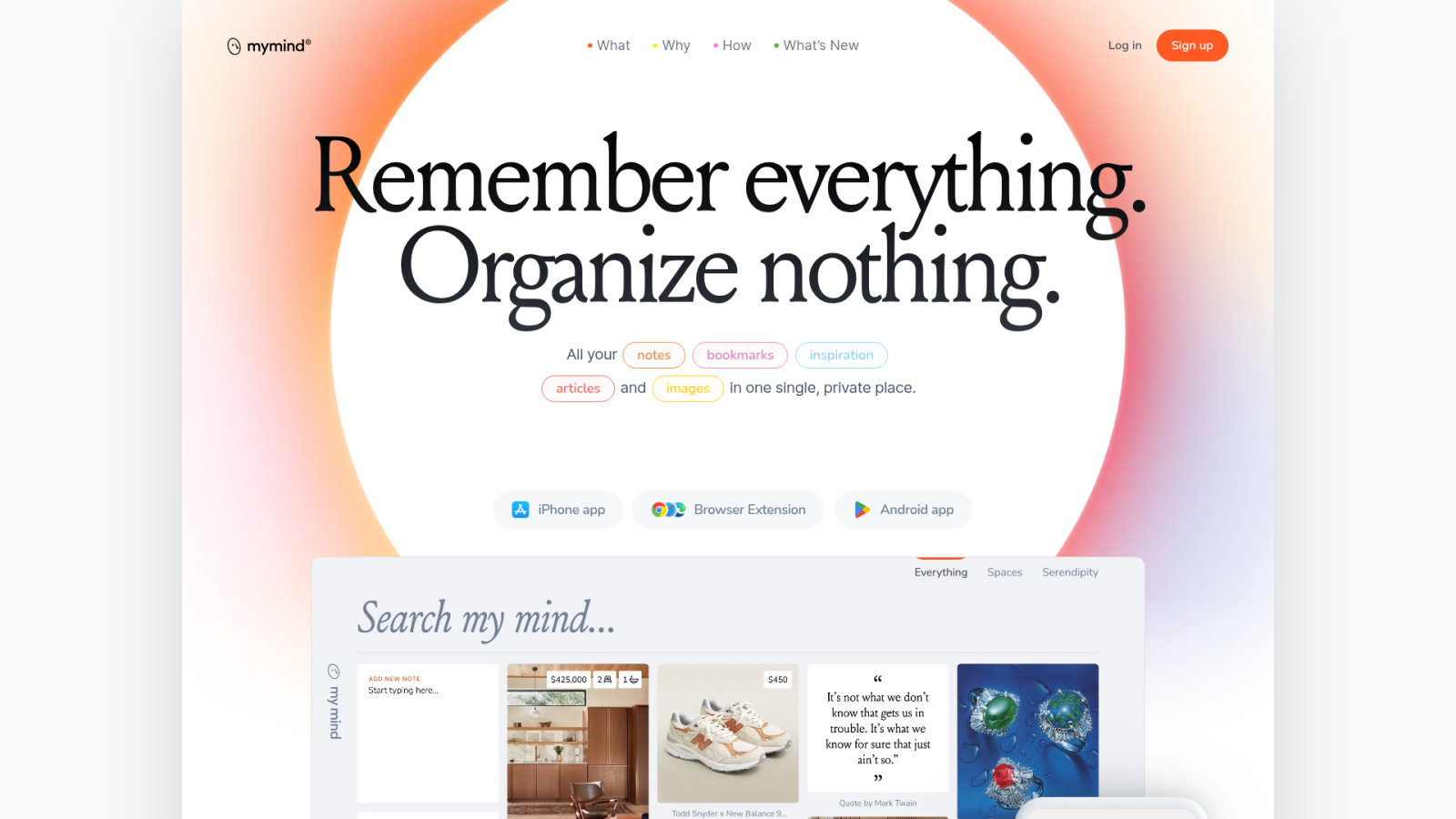
Seeing ideas laid out in a beautiful grid sparks new connections. It represents a more intuitive way to manage inspiration. Text-heavy databases simply cannot match this visual flow.
Serendipity and Idea Discovery
The app encourages non-linear browsing of saved inspiration. You are invited to wander through past saves. This process often leads to unexpected insights and creative breakthroughs.
AI surfaces related visual concepts as you browse. When viewing one item, the system shows others with a similar vibe. It creates a natural flow of ideas that beats folder-based browsing.
Folders are where ideas go to die. MyMind keeps everything alive and visible. It ensures your inspiration remains ready for use rather than buried in a digital archive.
Minimalist Interface Design
The interface lacks traditional folders or manual tags. It is clean and entirely distraction-free. By removing unnecessary UI elements, it focuses strictly on your saved content.
| Tool | Primary Strength | Ideal User | AI Feature |
|---|---|---|---|
| Mem | Self-organizing notes | Knowledge workers | Zero-maintenance organization |
| Tana | Structured data | Power users | Structured AI objects |
| Notion | All-in-one workspace | Teams | Collaborative AI writing |
| Obsidian | Privacy and local files | Privacy advocates | Community AI plugins |
| Buildin | Research workflows | Researchers | Integrated research AI |
| Limitless | Passive capture | Busy professionals | Meeting and audio capture |
| Personal AI | Digital twin creation | Content creators | Personalized LLM training |
| MyMind | Visual discovery | Visual thinkers | Semantic image tagging |
MyMind feels like a peaceful extension of your own thoughts. It reduces digital clutter significantly. It is the perfect choice for those who value simplicity and aesthetic beauty.
How to Migrate to Agentic Knowledge Systems?
Choosing a tool is only the first step; the real challenge lies in migrating your legacy data into these new agentic systems without losing context.
Handling Knowledge Decay
AI agents scan databases to identify stale or outdated notes. They detect information that lost relevance over time. This process prevents clutter in the new agentic system.
Agents flag contradictory information across different notes. The system alerts you to conflicting data points. You can then reconcile thoughts to maintain a single source of truth. Accuracy remains the priority here.
Migration offers a chance to prune legacy databases. Use AI to summarize valuable content and discard the rest. Starting fresh ensures the new system remains efficient and manageable.
Prioritize Markdown (.md) or JSON exports during migration to ensure your knowledge remains human-readable and compatible with future AI tools, avoiding proprietary database lock-in.
Standardized Export Protocols
Markdown and JSON provide essential data portability. Choose tools allowing exports in these open formats. This strategy protects against vendor lock-in and future-proofs your personal knowledge assets.
Proprietary lock-in creates significant long-term risks for your data. In fact, leaving ChatGPT for Claude shows how modern tools now facilitate faster transitions. Avoid systems that restrict information movement.
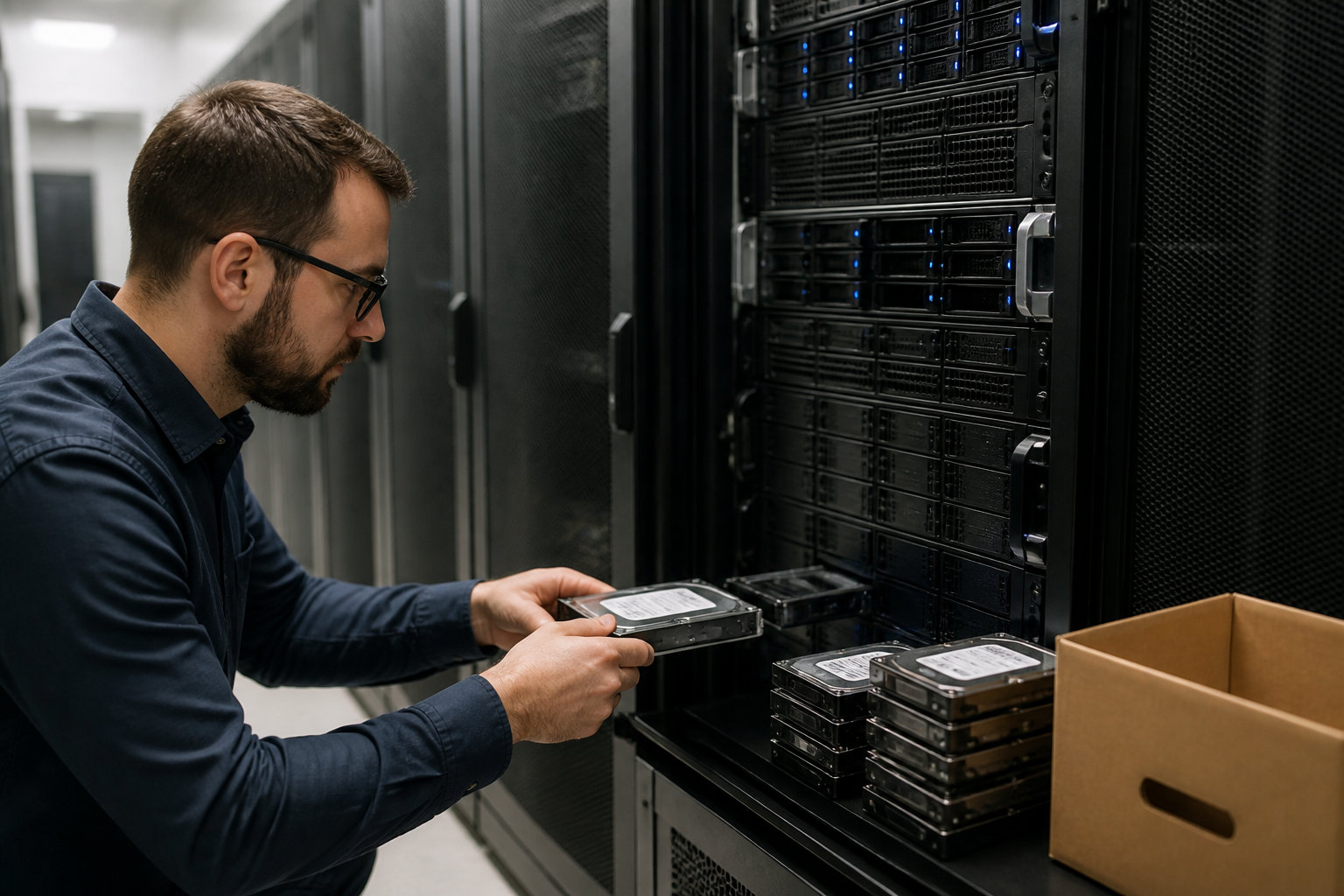
Start transitions by exporting high-priority projects first. Verify the import in the new agentic tool immediately. Ensure all internal links and tags remain functional for a clean transition.
Modern PKM in 2026 prioritizes agentic automation via MCP and semantic search to eliminate manual friction. Transitioning to the best ai agents for personal knowledge management 2026 ensures your data evolves autonomously into actionable insights. Secure your digital sovereignty now to transform passive archives into a proactive intelligence partner.
FAQ
How do AI agents automate personal knowledge management in 2026?
Modern AI agents eliminate manual friction through agentic automation and semantic search. These systems categorize data based on inherent meaning rather than rigid folder structures, saving hours of administrative work weekly. By utilizing neural networks, agents perform proactive context surfacing, delivering relevant past notes exactly when needed during active writing.
Tools like Mem and Tana automate the entire knowledge lifecycle, from capture to maintenance. They handle messy data streams, auto-tag projects, and extract action items without user intervention. This shift ensures that every piece of information remains accessible and useful, preventing the “knowledge decay” common in traditional manual systems.
What is the Model Context Protocol and why does it matter for PKM?
The Model Context Protocol (MCP) acts as a standardized open-source layer for AI agent interoperability. Think of it as a “USB-C port” for AI applications, allowing different tools to exchange data securely and efficiently. It enables PKM systems to connect directly to external research tools, databases, and specialized agents without custom integrations.
By providing a universal standard, MCP prevents vendor lock-in and improves search accuracy across diverse platforms. It allows agents to access local files, Slack, or Google Drive, creating a unified ecosystem for personal data. This connectivity is essential for building a truly integrated “second brain” in 2026.
Which AI tools offer the best balance of privacy and performance?
Obsidian remains the primary choice for data sovereignty, utilizing local-first encryption and local LLM integration. Users run private models directly on their hardware, ensuring sensitive information never leaves the local environment. While requiring more powerful hardware, this setup offers the ultimate protection against data breaches and unauthorized third-party access.
Conversely, cloud-based powerhouses like Notion AI and Mem.ai offer superior processing power and collaborative features. These tools prioritize ease of use and cross-device synchronization. For users seeking a middle ground, hybrid models and local vector database storage provide advanced semantic retrieval while maintaining high security standards.
How can I migrate my existing notes into an agentic system?
Successful migration requires using standardized export protocols like Markdown or JSON to ensure data portability. Start by identifying and pruning stale or outdated notes to prevent cluttering the new system. AI agents can assist by scanning legacy databases for contradictions and summarizing old content during the transition process.
Focus on moving high-priority projects first. Once imported, agentic systems use vector-based indexing to create embeddings for every paragraph, making your archive instantly searchable via semantic intent. This process transforms static archives into a living, interactive knowledge base ready for AI-driven synthesis.
Can AI agents help turn my personal knowledge into actionable content?
AI agents function as proactive research partners, transforming raw notes into polished drafts or structured reports. Tools like Buildin and Personal AI allow users to orchestrate complex workflows, switching between models like GPT-4 or Claude depending on the task. They can extract action items from meeting transcripts and synthesize multiple sources into cohesive briefings.
Furthermore, digital twins trained on personal data can mimic a user’s unique voice and expertise to draft replies or generate content. This automation bridges the gap between passive learning and active production. By handling repetitive synthesis, these agents allow professionals to scale their creative impact without increasing their administrative workload.
