

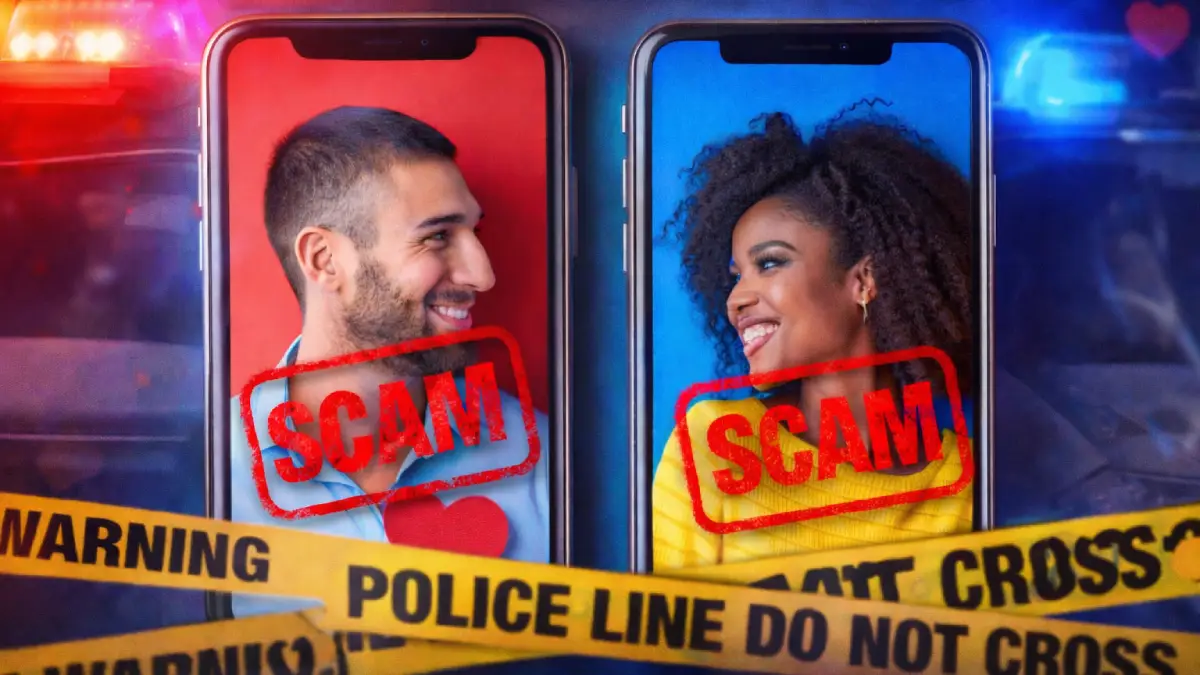
Valentine’s Day has always drawn its share of romance scams, but recent years have brought a dramatic shift. The emergence of artificial intelligence (AI) tools has enabled scammers to target vulnerable individuals with unprecedented precision. As those seeking love turn to dating platforms and social media this February, criminals are exploiting these technologies to create schemes that feel not only convincing, but also personally tailored.
AI transforms old tricks into new threats
In earlier decades, scam artists depended on generic messages and lengthy exchanges to build trust with their targets—a process that could stretch over months or even years. Today, AI accelerates every phase of the scam operation. With current technology, malicious actors can harvest social media profiles and digital footprints, feeding large amounts of personal data into machine learning models. This allows them to craft conversations and online personas that seem authentic—and disturbingly specific—to each individual victim.
Consider a scenario where someone has recently experienced a breakup, widowhood, or a change in parental status and shares this information publicly online. Scammers, empowered by AI-driven analysis, quickly identify these details and tailor their approach accordingly. The manipulation begins almost instantly, as the AI generates personalized messaging designed to mimic genuine interest and empathy, making it harder for victims to spot deception.
Recognizing the warning signs: What clues do romance scams leave behind?
Even though scams now appear more realistic with AI assistance, certain warning signals continue to surface. Financial institutions and security experts consistently highlight patterns that should raise concern for anyone navigating digital romance.
- Photos that appear almost too perfect—often generated or heavily altered.
- Relationships that move at an unusually fast pace, with declarations of affection soon after initial contact.
- Responses that are repetitive, vague, or dodge direct questions, signaling a lack of real human engagement.
- Attempts to shift communication away from official dating apps to private channels or email.
- Sudden requests for money, financial information, or other sensitive data.
Detection often relies on slowing down and questioning the rapid progression of an online relationship. While AI can simulate emotional responses and sustain conversations tirelessly, maintaining vigilance is more crucial than ever.
Comparing AI-enabled scams to traditional methods
The core distinction between older romance frauds and today’s AI-driven operations lies in both speed and customization. Past scams might have used identical templates across multiple victims, while modern approaches synthesize previous interactions, incorporate knowledge of the victim’s interests, and dynamically adjust strategies based on real-time feedback.
This makes inconsistencies or errors that once exposed scammers much less common, raising the threat level for unsuspecting singles. AI-powered chatbots can even replicate local slang and time zones, eliminating many of the red flags people previously relied upon.
The expanding impact: Lost trust and financial damage
Beyond emotional harm, these scams inflict substantial financial losses. Reports indicate enormous sums lost to romance cons in just the past few years, intensifying pressure on authorities and support organizations to respond swiftly. Because AI enables scammers to multiply their tactics efficiently, the rate of loss has surged, affecting hundreds of thousands globally.
Victims face the dual challenge of recovering emotionally while navigating complex legal processes to reclaim stolen funds—a daunting task without robust institutional backing.
Response from advocacy groups and demands for reform
Consumer advocates are pushing for stronger protections and clearer regulations. Many argue that companies facilitating romantic connections—not solely banks managing fraud reports—should be required to take meaningful action to secure their platforms. Dating sites, email providers, and e-commerce marketplaces often remain weak points in government oversight, leaving users exposed during emotionally charged times like Valentine’s Day.
Support organizations emphasize that holding scam victims solely responsible only deepens their distress, especially since recovery processes can be emotionally draining. By calling on businesses and lawmakers to increase their involvement, there is hope that systemic changes will reduce future exploitation risks.
Prevention strategies: Staying vigilant in the age of AI romance scams
No technical solution replaces the importance of sound judgment and awareness when guarding against romance scams. While AI may automate manipulation, individuals still possess powerful defenses. Being mindful of how much personal information is visible online plays a central role in prevention. Conducting regular privacy checks on social profiles limits what scammers can access and exploit.
Remaining skeptical of sudden intimacy, resisting rushed relationships, and reporting suspicious activity to authorities help strengthen community resistance. Additionally, industries are increasingly adopting advanced monitoring systems to detect unusual financial behaviors before major losses occur. For example:
| Typical scam tactic | Preventive response |
|---|---|
| Use of flawless modeled photos | Perform reverse image searches to verify authenticity |
| Requests to switch platforms | Decline and keep conversations within secure apps |
| Unusual payment requests | Verify independently and consult with bank security teams |
Combining personal vigilance with technological safeguards remains the most effective way to stay protected as AI-created romance scams become more sophisticated. As Valentine’s Day approaches, heightened caution means fewer heartbreaks and less opportunity for cybercriminals to prey on genuine hopes for connection.
