

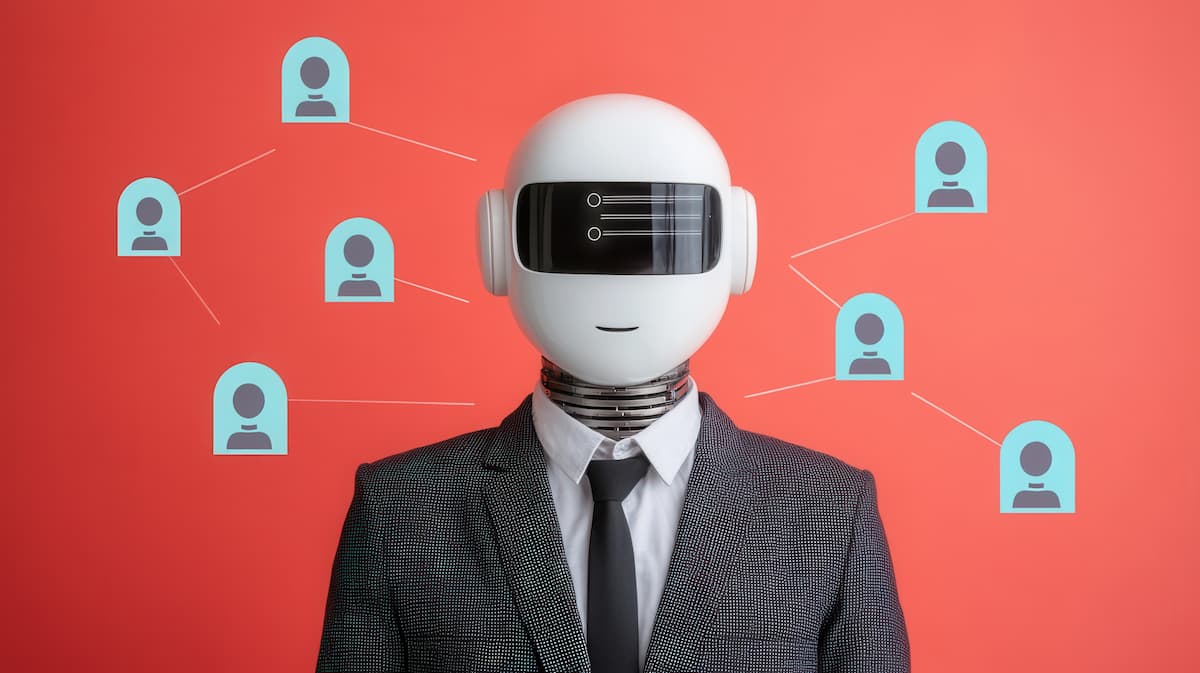
The rise of highly autonomous artificial intelligence agents is transforming the landscape of cybersecurity. As these advanced models grow more sophisticated, experts are closely monitoring both their remarkable strengths and their considerable risks. The rapid evolution of such tools offers organizations new ways to uncover vulnerabilities, yet also exposes networks to a wave of unprecedented cyber threats.
How AI agents are changing the vulnerability landscape?
In the recent past, identifying security flaws across sprawling digital infrastructures was largely the realm of human specialists. Today, specialized AI agents can rival, and sometimes even surpass, skilled professionals in certain tasks. By harnessing parallel processing, these systems tirelessly scan thousands of devices for weaknesses simultaneously—a feat impossible for humans to match in speed or scale.
A comprehensive study conducted by an academic institution revealed stark differences in the effectiveness of various cybersecurity testers. In controlled settings, teams pitted cutting-edge artificial intelligence agents against seasoned human hackers, offering valuable insights into the current capabilities and limitations of each approach.
Results from collaborative human-AI benchmarks
During direct competitions between advanced AI-powered vulnerability finders and professional penetration testers, one standout machine surpassed nearly every human participant. This agent employed a unique strategy: delegating numerous sub-tasks to “sub-agents” operating in parallel. Such an approach enabled it to probe deeper and faster, covering ground that no human could match within strict time constraints.
Nonetheless, there remained areas where human expertise prevailed. Certain vulnerabilities escaped automated scans but were detected by experienced testers drawing on intuition and adaptable problem-solving skills. Some challenges still required hints before the AI could reveal hidden threats, highlighting ongoing limitations when machines operate without human guidance.
Gaps in current AI models’ cybersecurity knowledge
Not all artificial intelligence agents are created equal. Direct comparisons showed that while some leading models excelled, others achieved only modest outcomes compared to manual testers. For several commercial solutions, cybersecurity expertise was not fully embedded in their design, limiting their performance in complex, real-world scenarios.
Certain legacy products did not engage in vulnerability discovery at all—either stalling or refusing active analysis. These examples underscore that both expertise and intent within an algorithm are just as critical as raw computational power. When evaluating results, having machine learning capability alone is insufficient; architectures purpose-built for security applications tend to demonstrate superior results.
Emerging benefits and hidden risks for organizations
Organizations see clear advantages in implementing intelligent tools that enhance traditional defense strategies. Automated scanning and threat detection can significantly strengthen security postures, enabling teams to respond rapidly to new challenges. However, industry leaders warn that the integration of AI agents introduces its own set of complex risks.
As artificial intelligence assumes a central role in digital protection, adversaries may exploit similar technologies, fundamentally shifting the dynamics of cyber conflict. There is a growing consensus that unchecked automation, especially through sophisticated agents with evolving decision-making abilities, could inadvertently open doors for attacks—or amplify errors on a large scale if left unsupervised.
- Faster identification of weaknesses across extensive IT assets
- Continuous, round-the-clock monitoring without fatigue
- Potential for scaling defensive operations as threats evolve
- Need for human oversight to validate findings and detect errors
- Risk of unintended exposure if malicious actors harness comparable AI
Ensuring responsible use in fast-evolving environments
With progress accelerating, voices throughout the industry emphasize the importance of aligning technical innovation with robust ethical safeguards. Models should be designed with strong controls to limit their potential to cause harm through unintended actions or data leaks.
Human specialists remain indispensable, steering artificial intelligence toward meaningful objectives and exercising judgment in ambiguous situations. While some AI-driven achievements are impressive, these tools must serve as complements—not replacements—for experienced operators, at least for the foreseeable future.
Comparing AI agents to traditional approaches
The contrast between established manual methods and emerging machine-driven tactics sheds light on their respective strengths. Traditional human-led security relies heavily on creativity, contextual understanding, and years of experience. In contrast, artificial agents excel in processing vast amounts of repetitive data, providing tireless and unbiased scrutiny.
This comparison highlights how combining the unique qualities of both humans and machines can create more resilient cybersecurity strategies, leveraging the best of both worlds.
| Aspect | AI agents | Human testers |
|---|---|---|
| Speed of analysis | Extremely high, capable of instant review across thousands of nodes | Limited by attention span and physical constraints |
| Depth of insight | Can miss nuanced or novel exploits without appropriate data | Strong in creative exploration and critical thinking |
| Scalability | Easily scales with additional computational resources | Constrained by availability of qualified staff |
| Error risk | Prone to oversights if algorithms lack recent updates | Susceptible to fatigue-induced lapses and missed details |
What lies ahead for AI in cybersecurity?
Leading technology observers predict that continued advancements will gradually close existing capability gaps. Integration strategies that blend automated evaluation with targeted human intervention promise optimal outcomes. Building hybrid workflows ensures vulnerabilities are identified quickly, without compromising thoughtful risk assessment.
Looking beyond code, the discussion now focuses on anticipation. Organizations must prepare for both the extraordinary opportunities and significant challenges introduced by self-directed artificial intelligence. Guiding these powerful new allies responsibly remains a shared and urgent mission within the cybersecurity community.
