

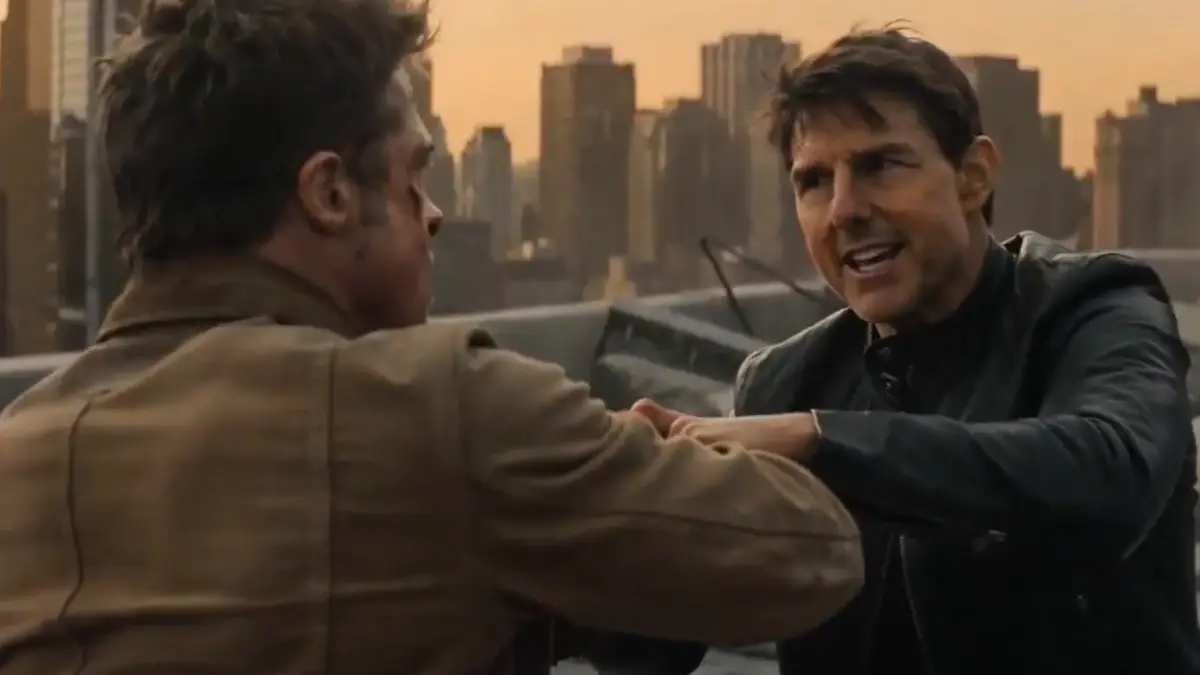
The launch of Seedance 2.0, a powerful AI video generator developed by ByteDance, has quickly triggered a wave of controversy across the entertainment industry.
Within hours of its release, ultra-realistic clips created from simple text prompts began circulating online — including a viral video showing Tom Cruise and Brad Pitt in a fictional rooftop fight.
The rapid spread of AI-generated scenes featuring recognizable actors and iconic franchises prompted the Motion Picture Association (MPA) to warn that the tool could enable large-scale copyright infringement, raising urgent concerns about creator rights, industry safeguards, and the future balance between innovation and intellectual property.
Why is Seedance 2.0 causing such controversy?
The arrival of Seedance 2.0 triggered a surge of AI-generated videos spreading rapidly across social platforms. Its developers highlight significant advancements, citing sharper visuals and unprecedented realism compared to previous offerings.
However, these innovations have also sparked accusations of unchecked copyright infringement from major industry organizations concerned about mass replication and unauthorized use of protected works.
Industry watchdogs emphasize that any platform offering powerful generative tools must implement effective safeguards. Without these protections, it becomes alarmingly easy for users to produce films or scenes indistinguishable from authentic Hollywood productions—regardless of whether original creators gave their consent.
Copyright concerns and industry reaction
Organizations representing filmmakers and studios worldwide quickly voiced apprehension over the risks posed by widespread adoption of this technology. Their official statements underline growing incidents where classic film properties, characters, and scripts can be appropriated and redistributed, often reaching viral status before removal efforts succeed. For many, this threatens the foundation of intellectual property protection—a cornerstone supporting creative careers globally.
This outcry echoes past responses to earlier AI models. Just months ago, another technology leader was compelled to update its systems following similar copyright disputes, introducing additional security layers to curb misuse. What sets the current situation apart is the uncertainty surrounding whether Seedance 2.0’s developers will enforce comparable measures.
The challenge of enforcement
Traditional legal frameworks face difficulties when confronted with rapid content generation and instant online dissemination. With countless new videos uploaded every hour, monitoring and issuing takedown notices increasingly appear futile. Rights holders may soon need to adopt more assertive strategies to ensure compliance, potentially escalating to lawsuits or advocating for international regulatory intervention.
Beyond legal complexities lies the practical question of enforcement. Can platforms genuinely intercept infringing content before it spreads, or does the burden fall disproportionately on individual creators and smaller rights owners? Large-scale automated monitoring could become necessary, yet developing robust solutions may require extensive time—and all the while, AI capabilities continue to evolve at breakneck speed.
How are artists and creators reacting to AI-generated films?
Writers, directors, and artists display reactions ranging from resignation to dry humor. For some, witnessing fully formed movie clips generated from only a few lines of text signals a profound transformation. Prominent voices within the industry describe this as a potential existential threat, suggesting that soon a single individual could replicate blockbuster productions that once required vast teams and million-dollar investments.
This growing reality intensifies anxieties around job security and the concept of creative ownership in an era dominated by generative AI. Many professionals openly wonder if years of expertise risk being sidelined overnight by anyone equipped with advanced software and imagination.
A new era for film production?
Amid concern, some see opportunity: democratized storytelling might empower fresh perspectives previously excluded by high entry barriers. Independent creators could leverage these tools to prototype bold concepts, test trailers, or experiment with novel animations—free from financial or industry constraints. On the other hand, there is the risk of widespread misuse and dilution of what distinguishes cinema: unique visions shaped by human experience.
Even those experimenting with Seedance 2.0 acknowledge pressing ethical dilemmas. Is it acceptable to recreate recognizable faces and copyrighted franchises at the touch of a button? Ongoing debates center on how society defines authorship and where to redraw boundaries in this new creative landscape.
Tension between innovation and preservation
There are increasing calls for balanced regulation that fosters technological progress while respecting established protections. Industry veterans recognize the appeal of producing high-quality content on modest budgets but caution against undervaluing the genuine effort behind beloved stories. Striking harmony between human creativity and machine-generated output remains a central challenge.
This context introduces added complexity: while AI unlocks exciting possibilities, it also reveals gaps in society’s preparedness for disruptive breakthroughs. Artists openly question whether tomorrow’s “Hollywood” will still rely on living creators, or if virtual studios will redefine success on their own terms.
Key considerations and potential paths forward
Regardless of where opinions lie, several core issues underpin the Seedance 2.0 debate. Navigating these challenges requires collaboration among technologists, creative professionals, and policymakers.
- Stronger integration of anti-infringement filters throughout the content creation process
- Clearer guidelines governing responsible use of likenesses, storylines, and well-known properties
- Educational initiatives helping users understand both legal and ethical responsibilities
- Ongoing dialogue between innovators and stakeholders whose livelihoods depend on intellectual property
To clarify the primary challenges and objectives, consider the table below, which illustrates common stakeholder priorities:
