

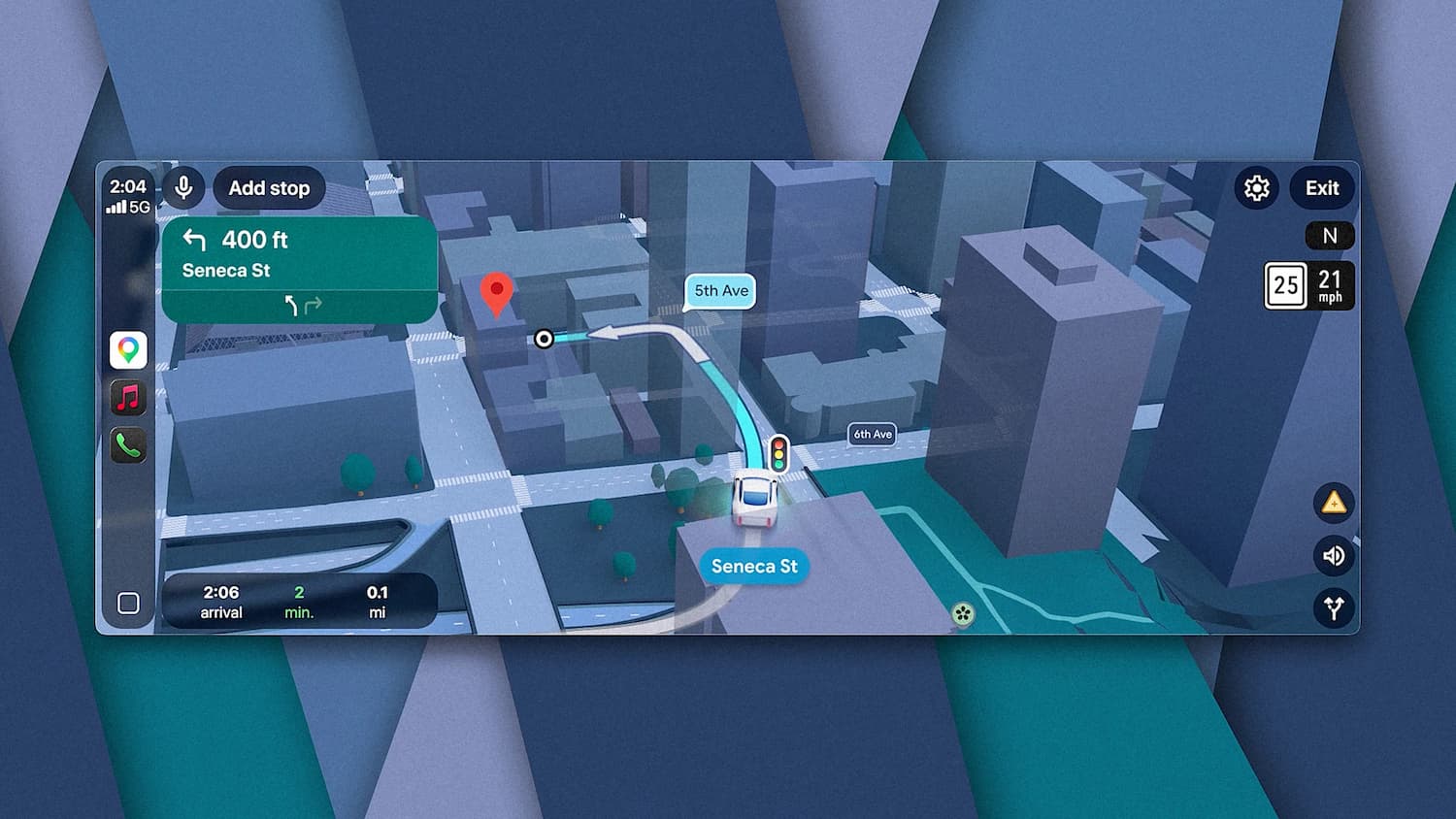
This story is most useful when read as a tools signal, not as a one-off viral claim. The important question is what changes for users, teams, or product strategy once the initial announcement is put in context.
- Tool value depends on output quality, pricing, privacy, and fit with existing workflows.
- A feature announcement is not the same as durable adoption.
- Users should compare limits, rights, and governance before relying on the tool.
For more context, see the Tools section.
Google’s “AI breakthrough” is just better autocomplete for your existing searches
Strip away the conversational interface and Ask Maps is doing exactly what conversational AI masks traditional search — reformatting results from Google’s existing index. Those 300 million places aren’t new. The 500 million reviews aren’t AI-generated insights. They’re the same Yelp-style ratings you’ve been scrolling through for years, now parsed by natural language processing instead of keyword matching.
The personalization angle sounds impressive until you read the fine print. Ask Maps needs your search history, saved places, and location patterns to deliver relevant results. New users get generic recommendations. Privacy-conscious travelers who’ve disabled tracking? They’re back to manual searching.
And third-party AI-powered trip planning tools have been layering conversational interfaces over Maps data for months. Google’s version just brings the feature in-house — and requires you to hand over more personal data to make it work.
Nobody can verify if Ask Maps actually saves time — because Google won’t release the data
Here’s what Google hasn’t published: before/after time studies. Failure case documentation. Average query resolution speed compared to typing “vegan restaurant open now.” Anything quantifiable.
The “over next several weeks” rollout means most US users can’t even test the feature yet — convenient timing that delays independent verification. The pattern echoes delayed AI rollouts across Big Tech, where announcement dates precede actual availability by months.
Google’s blog post mentions 5 million daily traffic updates worldwide. That’s an existing feature, not new AI capability. The conversational search is experimental — meaning Google can’t guarantee accuracy, and you’re the beta tester.
Zero documented performance tests. Zero failure cases. Zero time comparisons.
But the demo worked great on stage.
The real test: will you trust AI directions when you’re lost in rural Montana?
Ask Maps might excel at “find me brunch in Brooklyn” — low stakes, high review density, familiar territory. But the high-stakes use case is different: unfamiliar roads, time pressure, consequences for being wrong. Will you trust an AI recommendation for the only gas station in 50 miles when your tank is at E?
The feature’s dependence on search history becomes a liability here, not an advantage. If you’ve never searched for gas stations in Montana, the AI has no personalization data. You get generic results — exactly what old Maps already delivered. Like Google’s AI pricing strategy in other products, Ask Maps is free. But the real cost is the behavioral data required to make it useful.
The honest limitation nobody’s discussing: conversational search works when the AI knows your preferences. It fails when you need navigation most — in places you’ve never been, making decisions you can’t afford to get wrong.
The most advanced AI feature in Maps history, and the only thing we know for sure is that it can parse the phrase “charge my dying phone without coffee lines.” Whether it can actually find you a charging station? Check back in a few weeks.
