

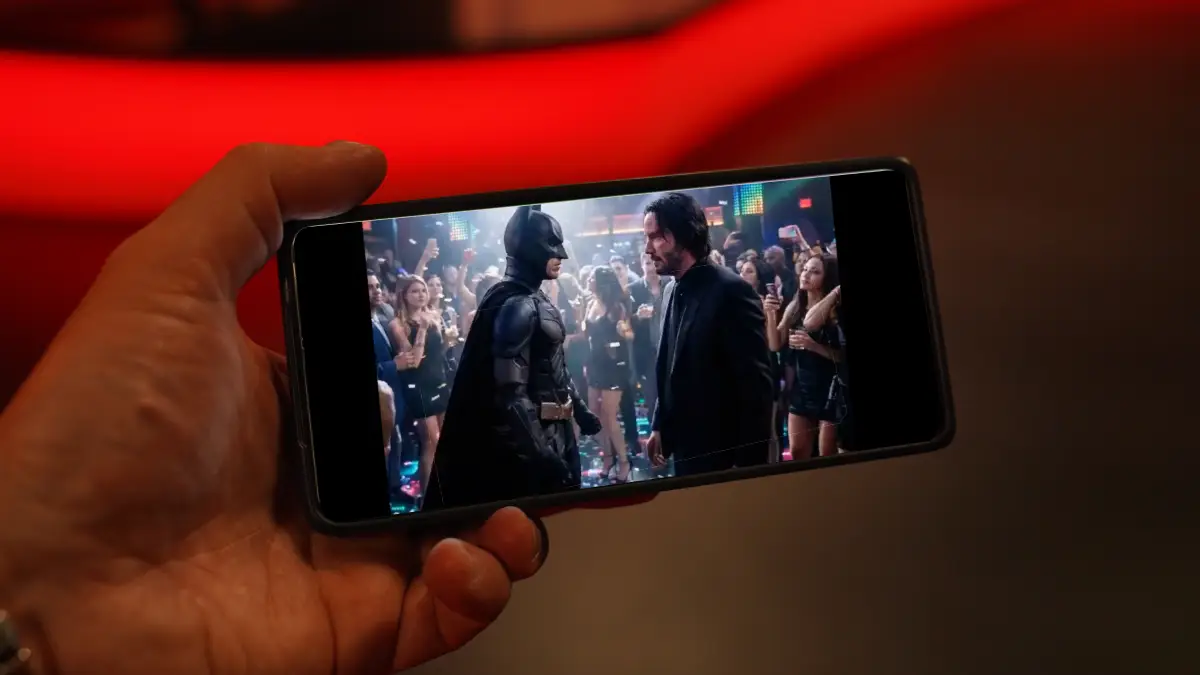
ByteDance launched Seedance 2.0 on February 10, 2026. Four days later, Hollywood’s lawyers were already writing cease-and-desist letters—and the tool’s most viral capability had quietly disappeared.
Disney, the Motion Picture Association, and SAG-AFTRA hit ByteDance with legal demands on February 14, accusing the AI video generator of enabling “massive scale” copyright infringement. The evidence: viral deepfakes of Spider-Man, Darth Vader, Baby Yoda, and celebrity likenesses flooding social media. Charles Rivkin, CEO of the Motion Picture Association, demanded ByteDance “immediately halt its infringing actions” in a public statement. SAG-AFTRA called it “blatant infringement” of members’ voices and likenesses.
The speed of the backlash isn’t surprising. What’s surprising is that ByteDance saw it coming and still launched anyway.
The feature everyone wanted is already crippled
Seedance 2 is going insanely viral and threatening to dethrone Hollywood.
15 wild examples you have to see to believe, all 100% AI:
1) Titanic alternate ending, Leo is saved 😂pic.twitter.com/3PjeIeldtM
— Mark Gadala-Maria (@markgadala) February 12, 2026
Seedance 2.0’s core promise was simple: anyone could generate Hollywood-grade video from text prompts, reference images, and audio clips. No technical skills required. No studio budget needed. Just upload a photo and watch AI animate it with voice, movement, and photorealistic rendering.
That feature—voice-from-photo generation—is what made viral Tom Cruise deepfakes possible. It’s also what triggered Hollywood’s instant legal response.
And it’s already gone.
According to industry reports, ByteDance quietly restricted the feature within days of launch. Users now face live facial verification requirements, consent documentation, mandatory watermarks, and business-only access. The “democratized creation” pitch died before most people could try it.
Hollywood screenwriter Rhett Reese (Deadpool) saw a Seedance-generated Tom Cruise vs. Brad Pitt fight video and tweeted: “I hate to say it. It’s likely over for us.” But the tool he’s afraid of already requires the kind of identity verification that blocks casual users entirely. The threat feels overblown when the weapon is already disarmed.
The technical capability that makes Hollywood nervous
Here’s what Seedance 2.0 can still do: generate multi-shot video sequences with character consistency across scenes, native 2K resolution, and millisecond-level lip-sync accuracy. It accepts multimodal inputs—text prompts, reference images, audio clips, style guides—and combines them into coherent video in seconds.
That speed is the problem. AI-generated copyright infringement happens faster than DMCA takedown notices can process. Videos flooding social media with unlicensed IP came from a tool that generates in real-time, not the hours-long rendering pipelines of traditional VFX.
ByteDance’s multimodal input system enables sophisticated IP theft at scale. Upload a Spider-Man screenshot, a Tom Holland headshot, and a voice sample—get a deepfake. The tool’s strength is its legal liability.
But there’s a disconnect between the viral videos circulating online and what most users can actually access. Seedance 2.0 launched via China’s Jianying app, not the global CapCut platform most creators use. The public rollout was reportedly planned for late February, but feature suspensions and legal threats suggest that timeline is now uncertain.
You’re watching a product that doesn’t exist yet
The controversy is about a tool most people haven’t touched. Pricing remains unconfirmed—sources report conflicting estimates ranging from $9.60/month to $84/month for advanced tiers. No real-world usage data. No competitive benchmarks beyond marketing claims.
And no clarity on whether the February 24 CapCut launch is still happening post-backlash.
ByteDance built a tool that only works if it breaks copyright law. Hollywood moved fast enough to kill the core feature before most users could access it. The promise of democratized video creation collided with the reality that IP protections aren’t optional—they’re the business model.
Reese’s fear that “it’s likely over for us” sits in tension with the fact that the tool he’s afraid of is already crippled. But the real question isn’t whether Seedance 2.0 threatens Hollywood. It’s whether AI tools threatening creative jobs can exist at all without requiring users to break the law to use them.
The answer, four days after launch, appears to be no.
