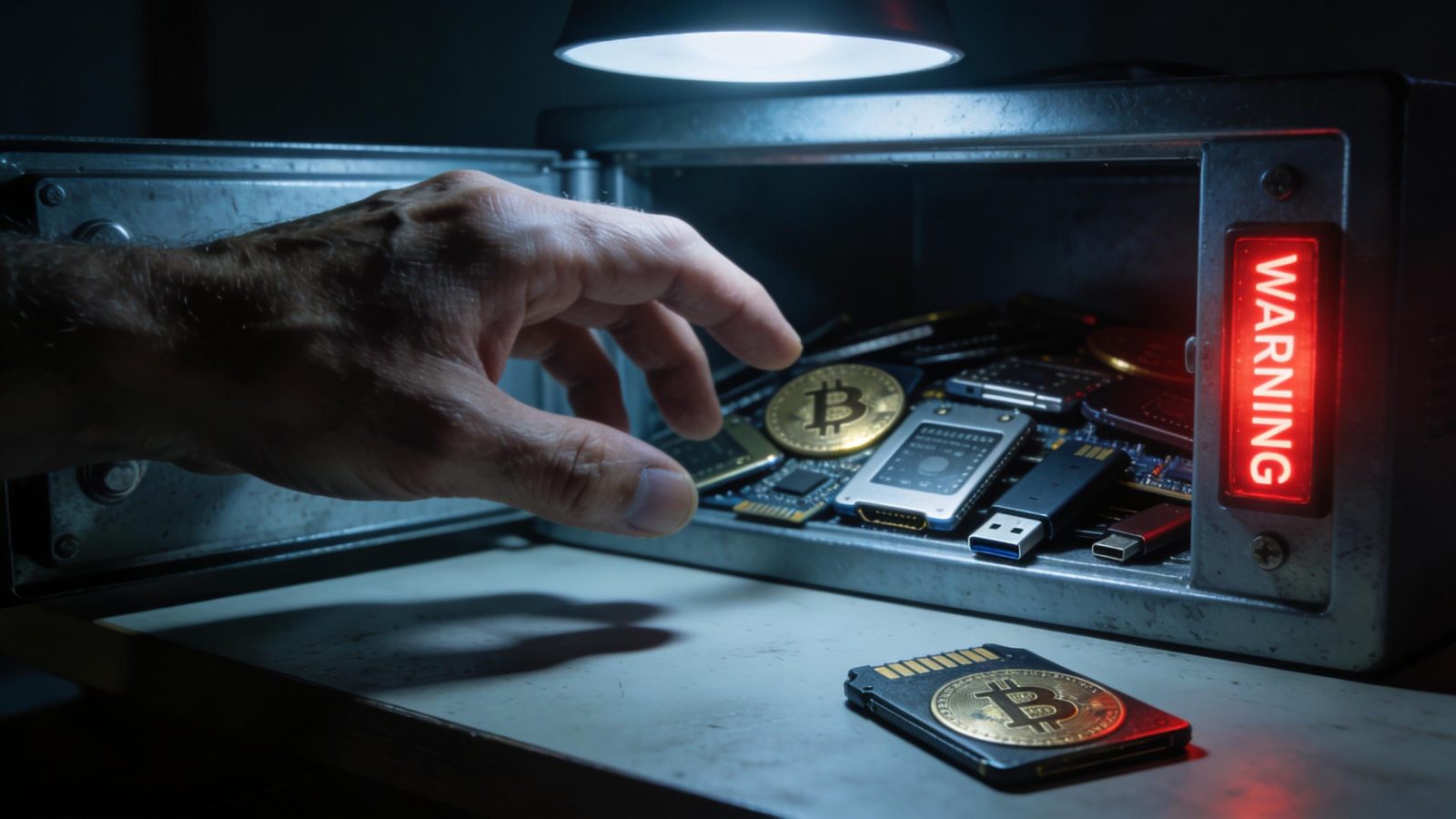
A Reddit developer had three bike concussions in two years, and each time he woke up thinking: “What if I don’t wake up next time — and my wife can’t access our bank accounts?” So he built a digital safe requiring multiple “keys” — different people holding different passwords — to unlock his password manager, crypto wallets, and medical documents.
Posted it to r/selfhosted in January 2026, got 1,400+ upvotes. Two weeks later, CES 2026 unveiled biometric safes with the exact same concept. Turns out his paranoia was a product category.
Your digital life dies with you — and your family gets nothing
Between $167-227 billion in Bitcoin is gone forever because someone died without sharing their keys. Not hacked. Not stolen. Just… inaccessible. The “Are You Dead?” app just hit Apple’s top 10 by checking if you’re still alive — because digital death planning went from morbid to mainstream in 2026.
Most people have one master password, stored nowhere, known by nobody. Attorney Azriel Baer recently handled a case where tens of millions in crypto vanished because the owner died without documenting access. The family knew the money existed. They just couldn’t touch it.
This isn’t about crypto bros. It’s about your Dropbox full of family photos, your email with 15 years of conversations, your tax documents. One car accident and it’s all locked forever.
CES 2026 just turned “paranoid Reddit project” into a product category
Lockly unveiled a Smart Safe XL at CES 2026 with “Twin Credential Opening” — you need two verification methods to unlock it. Fingerprint plus app. Fingerprint plus PIN. It’s the physical version of what the Reddit dev coded. The safe unlocks in 0.2 seconds once you pass both checks.
CES 2026’s biggest shifts weren’t just AI companions — they were products designed around the assumption you might not be around to unlock them. DGLegacy now recommends multi-signature wallets requiring multiple parties to approve transactions. The Reddit dev’s “multiple keys” concept is becoming industry standard.
The speed matters because single-factor biometric is faster — but speed is worthless if your family can’t get in after you’re gone.
Biometric safes are failing — just not the way you’d expect
Here’s the uncomfortable part: 2026 saw massive biometric safe recalls, but not for lockouts. Fortress Safe recalled units after unauthorized fingerprints opened safes. A 12-year-old boy died. Other manufacturers recalled over 130,000 units after dozens of unauthorized access incidents.
The tech fails by letting the wrong people in, not keeping the right people out. No documented cases exist of multi-auth systems successfully helping families access digital assets after death — it’s all theoretical. It’s the same problem as shadow AI at work — people build workarounds for real fears, but the workarounds create new risks nobody’s mapped yet.
The Reddit dev gave his wife one password piece, his brother another, his lawyer a third. But what if they’re all on the same plane? What if his wife remarries and the new husband wants access? We’re solving single-point failure by creating multi-point failure. And nobody’s testing these systems until someone actually dies.