

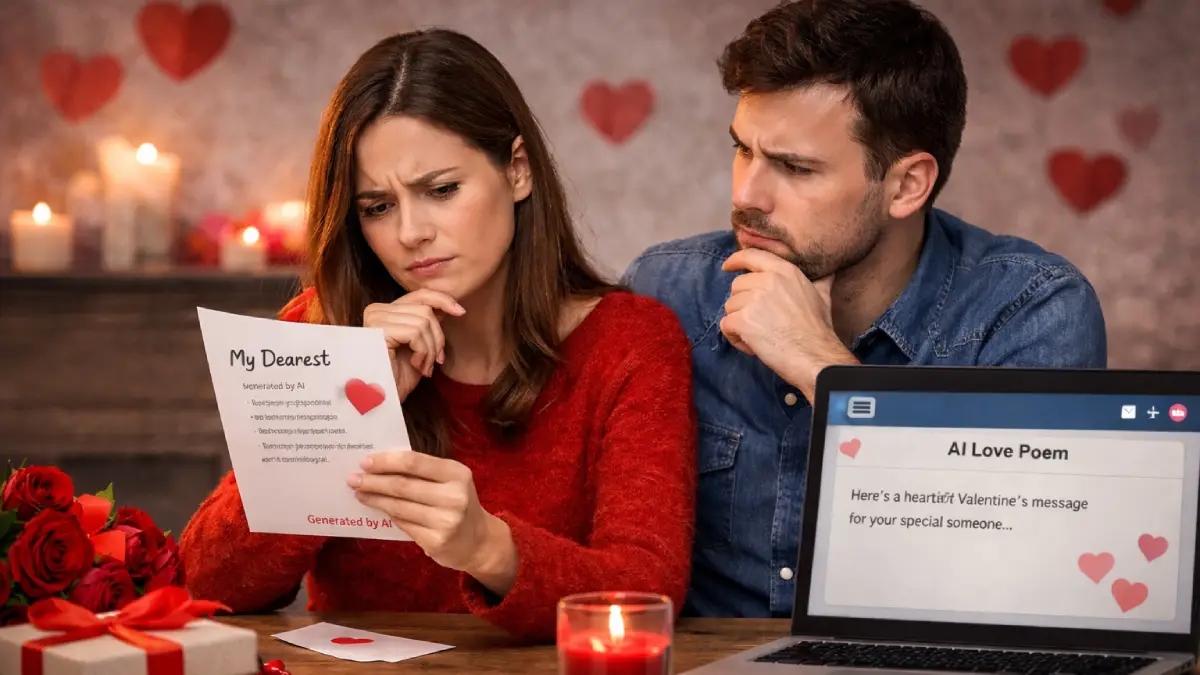
Romantic gestures have transformed over time, but the arrival of artificial intelligence introduces a fresh twist to how affection is expressed. The prospect of algorithms crafting intimate messages may seem efficient, yet recent research underscores a clear divide between technological convenience and authentic emotional connection. When it comes to heartfelt notes—apologies, wedding vows, or declarations of love—many remain skeptical about the sincerity that lies behind computer-generated words.
How do people react to AI-written personal messages?
Technology promises smoother lives, but new findings suggest that entrusting emotionally charged communication to AI does not always bring positive reactions. In many cases, recipients judge the sender more harshly upon discovering that an apology or love letter was crafted by a machine instead of a human. Even when the writing quality is high, it often cannot compensate for a perceived lack of genuine effort or authenticity—qualities at the heart of meaningful relationships.
This skepticism intensifies when someone openly admits to using AI for deeply personal communications. While transparency is usually valued, in this context it can actually heighten doubts about the writer’s intentions and emotional involvement. As a result, the message feels less thoughtful, prompting recipients to question the level of care invested in the gesture.
Why is authenticity so important in expressions of love?
Authenticity goes beyond originality; it reflects both the time and thought devoted to communicating with another person. Traditionally, composing a love letter required hours of careful consideration, each word selected to convey true emotion and intent. The knowledge that someone put forth personal energy—not just creativity but also vulnerability—carries immense value. Often, this visible investment matters more than polished phrasing or eloquence.
With an AI-generated note, much of that personal commitment appears missing. No matter how elegantly composed, knowing that a program determined the content can raise concerns about sincerity. This absence of intimacy and effort erodes trust and reduces the significance of the gesture itself.
Different standards for different situations
Society tends to be more accepting when AI tools assist with professional tasks or impersonal activities. Automating routine work is generally praised for its efficiency. However, replacing genuine sentiment with technology in close relationships is widely seen as crossing an unwelcome line. Social norms continue to dictate that certain spheres—romance, apologies, and major life events—should remain untouched by automation.
Trust and care are complex, shaped by tradition and years of emotional experience. Relying on technology where vulnerability is central can send unintended signals, both to the recipient and to anyone aware of the digital shortcut.
Personal stories reveal public sentiment
Anecdotes from various backgrounds illustrate that resistance to AI-authored love letters runs deep. Some individuals report no issue with using AI for drafting emails or shopping lists, but firmly oppose letting algorithms handle emotional expression. “Never in a million years” summarizes the instinctive reaction many express when considering surrendering such a personal act to artificial intelligence.
For others, matters of the heart demand direct involvement. Allowing a machine to perform this emotional labor feels almost offensive—a shortcut that diminishes the underlying bond or moment. Whether celebrating anniversaries, proposing marriage, or seeking forgiveness after difficult conversations, authenticity remains paramount.
What do experts say about AI and social bonds?
Researchers who study the intersection of technology and human relationships emphasize that using AI for significant milestones carries risks beyond simple impressions of laziness. Many interpret the use of AI not only as effortless, but also as a sign that the relationship lacks depth or genuine value. Social rituals—such as weddings, reconciliations, or declarations of love—play crucial roles in deepening connections, fostering empathy, and building lasting trust.
Delegating these moments strips away some of their unique magic. Experts argue that failing to engage directly during key occasions could undermine the very fabric that holds social groups together. Authenticity, intention, and visible commitment cannot be outsourced without affecting how others perceive the relationship—and those involved.
Common reasons for rejecting AI in personal exchanges
The hesitation to rely on artificial intelligence for personal communications often stems from several widely shared beliefs:
- Messages appear less sincere, even if they are well written
- Recipients question the sender’s dedication and emotional investment
- Longstanding expectations prioritize honest, imperfect efforts over flawless, automated results
- Admitting AI involvement rarely builds trust—instead, it frequently amplifies doubts
Although opinions about technology evolve constantly, the desire for meaningful connection and sentimentality shows little sign of giving way to automation in romance or important life events.
Different tasks, different standards: when is AI usage acceptable?
Society draws a clear distinction between practical assistance and emotional communication. Context determines whether AI involvement is welcomed or frowned upon:
| Task type | Response to AI usage |
|---|---|
| Business email | Mostly positive – valued for saving time and avoiding errors |
| Apology letter | Negative – seen as impersonal and insufficient |
| Wedding vow | Strongly negative – perceived as lacking authenticity |
| Everyday task reminders | Neutral or positive – convenient and appropriate |
| Declaration of love | Often negative – trust and effort called into question |
This table demonstrates that while efficiency gains are appreciated in transactional settings, personal milestones still demand a human touch. Sincerity and effort remain at the heart of what makes these moments truly special.
