

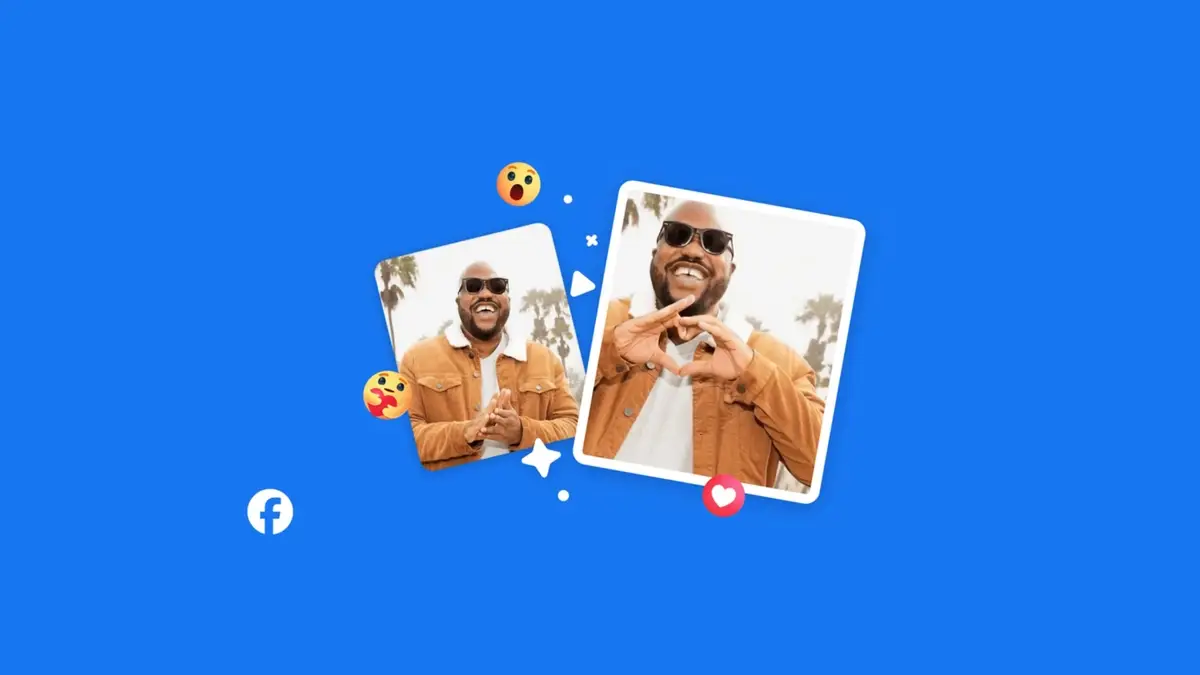
The latest update from Facebook is making waves and generating significant curiosity. The social media giant has rolled out a playful feature that enables users to transform static images into vibrant, animated avatars through artificial intelligence. This innovation aims to make interactions more engaging—particularly for those who appreciate a whimsical touch on their profiles. While it remains uncertain whether younger generations will fully embrace this trend, many are already giving it a try.
How does Facebook’s animated profile feature work?
Facebook now provides the opportunity to infuse new energy into profile pictures using AI animation. Previously, there was an option to upload short profile videos, but that disappeared several years ago. Thanks to advancements in artificial intelligence, it is now possible to add motion and personality to standard images without requiring technical skills or external software.
By choosing a single photo, users can select from various preset movements. These include cheerful gestures like a waving hand, a playful party hat appearing above the head, or even the popular finger-heart symbol. Each animation is generated swiftly, offering a personalized way to express moods and individuality online.
What options are available in the animation presets?
The selection of built-in animations covers a range of moods and occasions. Meta offers diverse styles so anyone can find something appealing or suitable for a specific event. The process is designed to be straightforward—no special expertise is needed to start experimenting.
- Natural movements for subtle expression
- Party-themed effects such as confetti bursts
- An animated wave to greet profile viewers
- Finger-heart gesture for an affectionate vibe
- Seasonal or celebratory elements, including virtual hats or sparks
These options allow each individual to decide how formal or playful they want their profile to appear. As new trends gain popularity, additional presets may be introduced to keep the experience exciting.
Who is most likely to enjoy these effects?
Although the lively animations seem crafted for broad appeal, much discussion centers on which groups will truly embrace them. Many believe that long-time social media enthusiasts—with fond memories of digital stickers and glitter graphics—will eagerly adopt the feature. For some, it evokes nostalgia for earlier eras of personalizing online spaces.
Younger audiences might take more time to find the novelty compelling. At present, early adoption appears strongest among individuals interested in refreshing older posts or adding flair to seldom-updated profiles.
Could animated content bring people back to Facebook?
Meta clearly hopes that these dynamic avatars will achieve more than simply amusing regular users. With increasing competition from newer platforms, the company seeks innovative ways to retain long-time members while enticing younger demographics.
The question persists: Do whimsical additions like moving profile photos alter perceptions of the platform, or do they reinforce Facebook’s established identity? Ultimately, only user feedback and future engagement patterns will reveal the true impact of this strategy.
Extra touches: integrating backgrounds and visual flair
Beyond animating faces, Facebook has also introduced another layer of personalization—AI-generated backgrounds for posts. By clicking a prominent rainbow icon, anyone can place messages onto colorful, dynamic canvases. These visuals aim to amplify emotional tone and help content stand out within crowded feeds.
Combining expressive backgrounds with animated profile images elevates the sense of individuality. Users have greater freedom to showcase emotions, celebrate milestones, or highlight important updates. These tools are designed to enhance creativity without complicating the posting process.
Why is Meta focusing on artificial intelligence for social features?
Incorporating artificial intelligence into profile design reflects changing user preferences. Across social apps, there is a growing emphasis on visual-driven communication. Gen Z and Millennials often gravitate toward bold, kinetic content, yet simplicity and ease-of-sharing also appeal to older users looking for fresh ways to connect.
This evolution mirrors broader technology trends, where AI powers everything from playlists to digital art. For Facebook, blending nostalgia—by reviving interest in personal avatars—with cutting-edge technology keeps the platform intriguing and relevant.
How does Facebook’s approach compare to other platforms?
Several networks have experimented with video clips, temporary avatar changes, or interactive stories. However, Facebook’s combination of simple one-click effects and AI-powered enhancements streamlines the process, reducing barriers between inspiration and execution.
Some competitors restrict personalization options or charge for premium effects, whereas Facebook currently prioritizes accessibility. This inclusive strategy encourages both casual users and dedicated fans to participate and experiment.
What are the broader impacts on user interaction?Embracing animated and interactive visuals encourages richer conversations and makes profiles more memorable. More than just profile pictures, these features let users explore identity in creative formats, refreshing the dynamics of online connection. Such innovations can strengthen communities and even spark friendly competition over the best new effect.As artificial intelligence continues to evolve, further opportunities for personal expression will emerge. Whether this trend becomes a lasting fixture or a passing fad, it demonstrates how social media adapts to shifting preferences and emerging technologies.
