

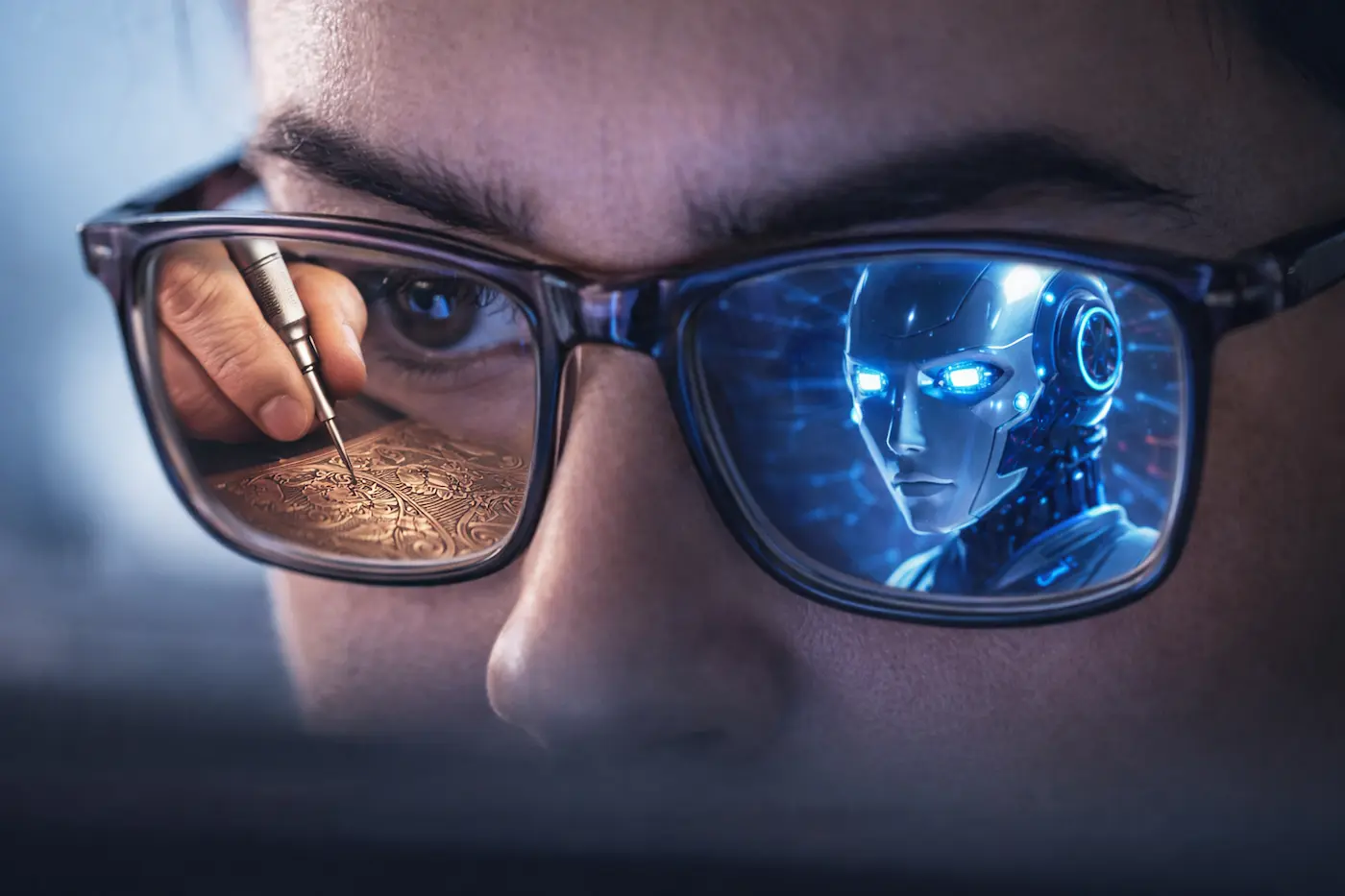
Amid ongoing debates about artificial intelligence reshaping industries, a handful of traditional professions stand resilient against the tide of automation. One such field merges artistry with meticulous technique—remaining untouched by algorithms and robotic precision not due to obsolescence, but because only skilled human hands can truly master its complexity. Despite offering rare security from AI-driven disruption, this profession still struggles to attract newcomers willing to embrace its demanding nature.
Why craftsmanship endures where machines falter
Across sectors vulnerable to automated processes, certain occupations persist almost unchanged. Engraving, especially when practiced with time-honored presses and copper plates, belongs to this exclusive group. While some might assume that “old-fashioned” roles could easily be replaced by robotics or digital tools, craft engravers continue to thrive thanks to unique constraints that resist replication.
No matter how advanced computer vision becomes, translating the subtle understanding of ink texture, plate temperature, or achieving the perfect line remains another story. Each print demands micro-adjustments shaped by room humidity and even the quirks of machinery dating back decades—or sometimes more than a century. For now, digital innovation may assist with initial design stages, yet it cannot imitate the manual interventions that define a finished product’s character.
Inside the world of hand engraving
A closer look at life inside a historical engraving workshop uncovers details that set the profession apart from most high-tech fields. This is not mere assembly-line repetition; every piece involves artistic judgment and physical skill found nowhere else.
Balancing legacy and modern expectations
Companies renowned for their engraved goods often maintain methods passed down through generations. They rely on century-old equipment, sometimes originally owned by notable historical figures, requiring ongoing maintenance paired with time-tested finesse. Excellence offers no shortcuts—each artisan invests years before reaching mastery, and once achieved, these skills become irreplaceable.
Modern techniques, like laser-etching during early phases, have made their entrance, but finishing and corrections remain firmly analog. Artisans must adapt each creation in real time, reading environmental cues and fine-tuning adjustments beyond anything software can provide. Digital renderings may guide layouts, yet the leap from virtual perfection to genuine, tactile beauty remains significant.
The demanding nature of the craft
Unlike careers promising swift rewards, aspiring engravers face a physically demanding environment. Standing all day, enduring vibrations from vintage presses, and managing intricate materials test both body and resolve. Physical stamina pairs with unwavering mental discipline—a single careless move can undo hours of focused effort.
Those drawn to this challenge enjoy rewards rarely found elsewhere: creative autonomy, visible achievements, and the pride of contributing to living heritage. On the other hand, long apprenticeships, modest starting salaries, and limited glamour deter many young candidates seeking instant success. As digital fatigue drives others away from screen-based work, this reality leaves openings unfilled.
Why so few choose this path?
Given technology’s threat to automate countless roles across manufacturing, hospitality, retail, and creative industries, one might expect secure trades like engraving to attract growing interest. Yet workshops worldwide struggle to recruit fresh talent. What explains this paradox?
First, perceptions of manual trades often lag behind current realities, painting them as relics of a bygone era or reserved for those unable to “keep up” with digital trends. In truth, these artists possess rare knowledge blending acute hand-eye coordination with deep theoretical understanding—a highly marketable combination if seen through a contemporary lens. Nevertheless, would-be entrants hesitate, wary of the workload and relatively modest entry-level pay compared to booming sectors like tech or consulting.
Stories of late bloomers and lifelong learners
While teenagers and recent graduates may overlook opportunities in craftsman roles, some discover them later in life. Many stories recount individuals changing direction after years in unrelated fields—sometimes out of necessity, sometimes sparked by curiosity. These career changers frequently bring resilience and appreciation absent among younger recruits who expect rapid advancement.
Adapting to the demands of engraving as an adult involves retraining both muscles and mindset, but success proves more accessible than anticipated. It is common for established team members to have followed unconventional paths, united by a passion for creating tangible works of art using techniques no robot has managed to duplicate.
Comparing automation-proof jobs: how does engraving measure up?
Looking across the broader landscape, other so-called “automation-proof” roles offer interesting points of comparison. Many require similarly persistent traits—creativity, adaptability, or emotional intelligence—that binary programming still struggles to emulate.
| Profession | Key Skills Not Replicated by AI | Main Challenge |
|---|---|---|
| Hand engraving | Manual dexterity, intuition for materials | Difficult learning curve, low entry pay |
| Fine art restoration | Aesthetic judgment, nuanced touch | Long apprenticeships |
| Bespoke tailoring | Custom measurements, client relations | Physical labor, fluctuating demand |
These professions share stubborn recruitment challenges but also display a resilience unseen in routine office or factory jobs. Those who invest in mastering such crafts gain unique job security, creative fulfillment, and the chance to help preserve cultural heritage as automation advances elsewhere.
- Mastery of traditional trade skills still surpasses machine precision for specific results
- Physical endurance, creative problem-solving, and manual accuracy are essential
- Barriers to entry, including training periods and salary, shrink applicant pools
- Late-stage career changes open new opportunities for motivated adults
What future awaits manual engraving?
As artificial intelligence evolves, concerns arise that even the last bastions of skilled labor will eventually yield. Yet observing the surviving enclaves of artisanship reveals something unexpected: progress in automation actually highlights, rather than diminishes, the value of deeply human talents. When patient craftsmanship cannot be imitated, these timeless professions demonstrate remarkable staying power for those ready to commit.
With the next generation showing renewed appetite for authenticity and hands-on achievement, hope remains that the community of engravers—and similar artisans—will grow once again, bridging past and present in ways that machines simply cannot replicate.
