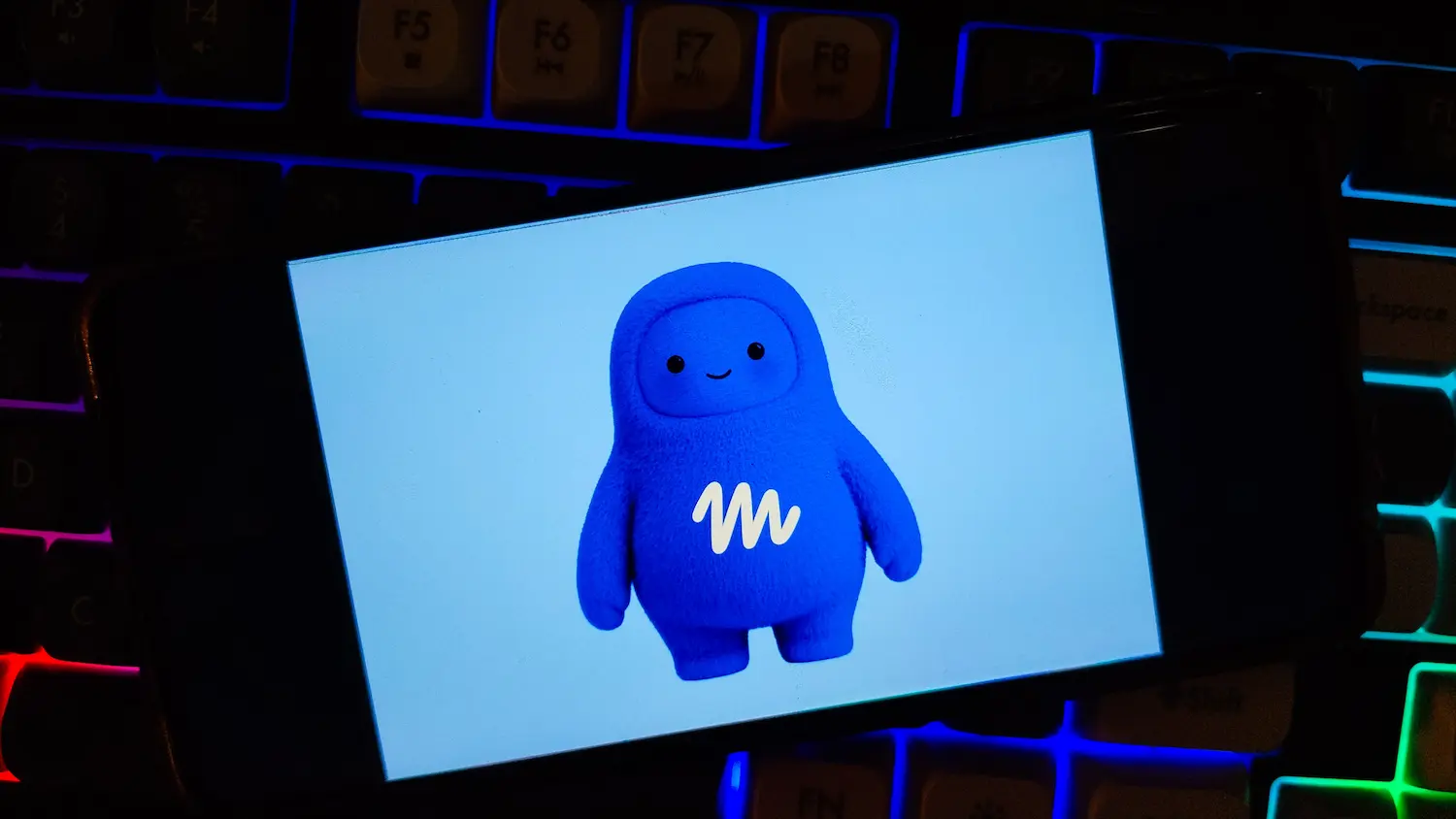
Forget the chatbot. Meta just shipped something categorically different — and the distinction matters more than most coverage is letting on. Muse is Meta’s personal AI agent, and after a week of hands-on testing, it’s the most complete implementation of what “AI assistant” should actually mean: not a conversational interface that forgets you the moment the tab closes, but a persistent, proactive, always-on system that acts on your behalf in the real world.
It’s early. There are rough edges and legitimate questions about privacy. But the architecture here is serious, the use cases are already tangible, and the gap between Muse and everything else currently available is significant enough to pay attention to.
The Core Distinction: Agent vs. Chatbot
Every other AI product on the market — ChatGPT, Gemini, Claude — operates as a reactive chatbot. You prompt it, it responds, and the moment you open a new conversation, it has no memory of who you are or what you need. You’re perpetually starting from zero, which severely limits what it can do for you.
Muse operates on a fundamentally different model. It retains everything: your preferences, your family’s schedules, the names spelled correctly, the recurring tasks you care about. More importantly, it connects to your apps and services — Gmail, WhatsApp, Instacart, Google Workspace, Notion, Spotify, DoorDash, OpenTable, Ticketmaster, Philips Hue — and uses that combined context to act proactively on your behalf, without waiting to be asked.
A chatbot gives you answers. An agent takes action. Muse doesn’t just tell you there’s a field trip tomorrow — it reads the school email, cross-references your child’s calendar, and proactively reminds you what to pack. The difference is delegation, not conversation.
The practical illustration: a child comes home with a toothache. Rather than spending 45 minutes calling dental offices to check insurance coverage, you hand the task to Muse. It researches local dentists, calls them on your behalf to verify they accept your plan, and books the appointment. You never pick up the phone. This is what real delegation looks like — and it’s already working in week one.
What Muse Can Already Do
The connector ecosystem is where Muse earns its value. Meta has built direct integrations with a wide range of services — Instacart for grocery orders, Duffel for flight booking, OpenTable for reservations, Ticketmaster for events, DoorDash for delivery, and a growing list of productivity tools. When you authorize a connector, Muse gains the ability to not just read information from that service but to take actions within it on your behalf.
Real-world examples from early testing: inbox cleanup across thousands of unread emails; trip planning that accounts for family ages, preferences, and logistics; meal planning with generated shopping lists; phone calls to customer service to cancel forgotten subscriptions or negotiate better rates on internet and cable plans. These are exactly the tasks that consume disproportionate mental energy for their actual importance — and Muse handles them without requiring your attention.
Muse supports a native Granola connector. Once authorized, Muse can detect when a meeting ends, pull the transcript, generate a summary, and offer to act on the action items — all without you touching anything. For anyone already using Granola as a meeting intelligence layer, this integration compounds the value significantly.
One important nuance: Muse is always-on and cloud-hosted, which distinguishes it from self-hosted agent setups like Hermes or OpenClaw that require a dedicated machine to be running. Close your laptop, shut down your phone — Muse continues operating and is ready when you return. For practical delegation, this matters considerably.
The Security Architecture — More Thoughtful Than Expected
Meta’s track record on privacy is the obvious objection here, and it’s a fair one. What’s surprising is how seriously the company appears to have approached the security architecture for Muse — perhaps precisely because they knew the scrutiny would be intense.
The implementation draws on the Signal protocol — the same end-to-end encryption standard that powers WhatsApp — meaning the system that runs Muse cannot technically access the contents of what it’s processing. Each instance runs on its own isolated cloud compute environment, separate from other users and from Meta’s own infrastructure access.
| Security Layer | What It Does |
|---|---|
| Isolated cloud instance | Your Muse runs in its own environment — no cross-user access, no Meta visibility into the contents |
| Sentinel agent | An oversight layer that monitors every action Muse takes, ensuring it shares only the minimum required data before anything goes out to the internet |
| Per-action permissions | For critical actions — sending emails, making purchases, phone calls — Muse requests authorization every single time, with a full audit trail available on demand |
| Connector scoping | Access is limited strictly to connectors you explicitly authorize — no passive data harvesting from your device |
| No ad data pipeline | Meta states explicitly that Muse data is not fed into their advertising systems — and model training opt-out is available in settings |
You also retain full control over the memory layer: Muse maintains editable notes about you that you can review, correct, or delete at any time. You can disconnect any connector instantly, and you can instruct Muse to forget any information it holds. That level of user control over the knowledge graph is more transparent than most competing platforms currently offer.
The security architecture is more sophisticated than Meta’s reputation might suggest. The honest question isn’t “is it perfect?” — it isn’t, the enterprise tier doesn’t exist yet — but “is the risk profile acceptable for the use cases you’re actually deploying it for?” For personal productivity tasks, the answer is arguably yes. For sensitive business data, wait for the enterprise rollout.
What’s Coming Next
Muse launched one week ago. The connector ecosystem is already substantial and expanding daily. Instacart integration — meaning Muse can not just plan your grocery list but actually place the order — is imminent. Meta’s annual Connect conference is expected to bring additional hardware integration, with Meta glasses reportedly gaining the ability to interact directly with your Muse agent. Voice-first, ambient access to your personal AI would represent a meaningful step beyond the current app-based interface.
The trajectory here is clear: Meta is building toward a personal AI layer that sits persistently across your entire digital life — across devices, across apps, across contexts — rather than a chat interface you open and close. Whether or not you trust Meta to hold that position is a legitimate debate. But the product direction itself is the right one, and week-one Muse is the most credible first step toward it anyone has shipped so far.