Feb 28, 2026 — A political shock just collided with a private-market darling, and investors are scrambling for exposure they can’t easily buy.
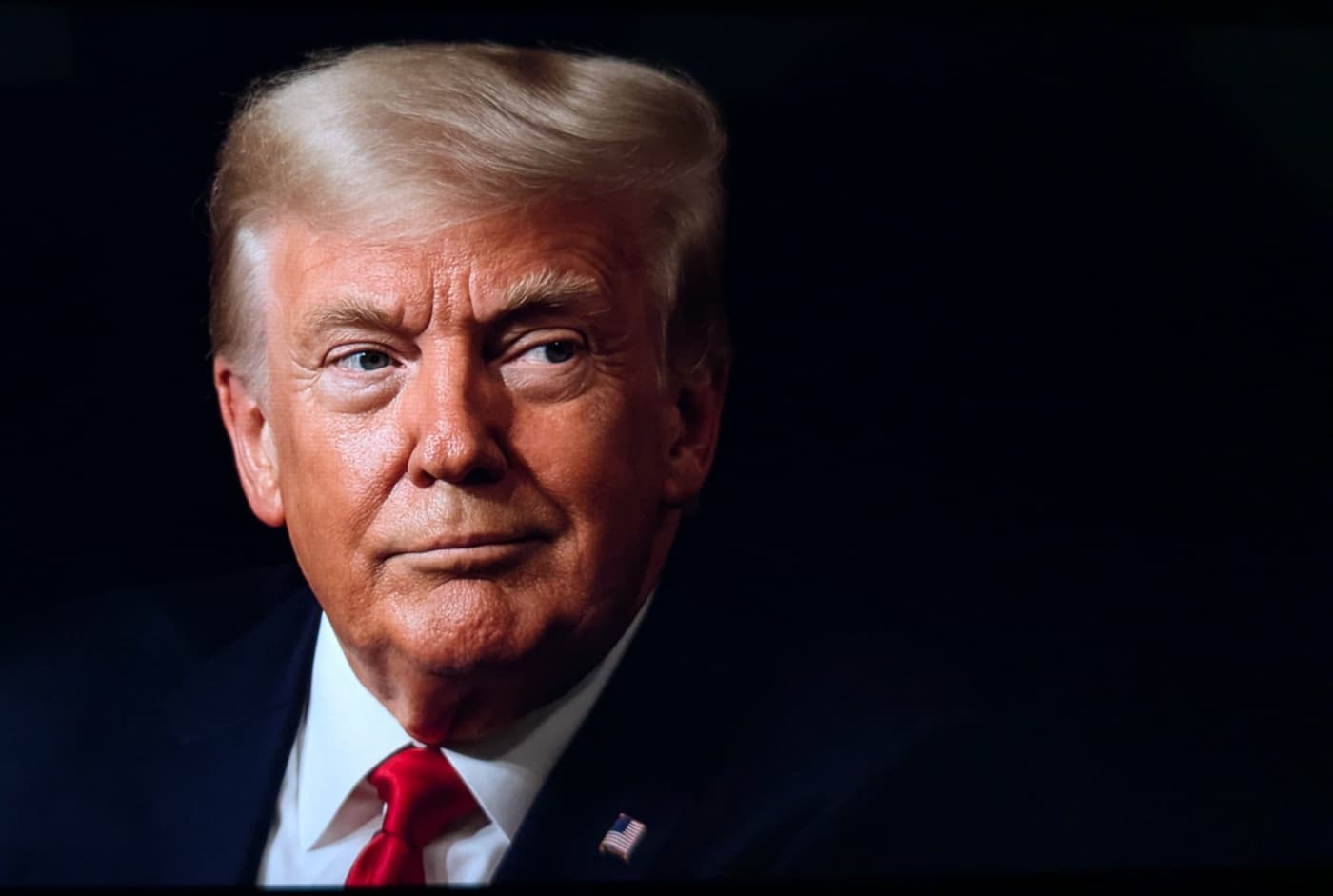
Search interest for “Anthropic stock” has spiked after President Donald Trump said he would direct every U.S. federal agency to immediately stop using Anthropic’s technology, escalating a public standoff over how advanced AI models can be used in national security contexts.
The friction centers on Anthropic’s refusal to grant the Pentagon what officials described as broader latitude for “any lawful use,” amid concerns from Anthropic leadership about mass surveillance and fully autonomous weapons.
The administration’s response included moves to label Anthropic a “supply chain risk” and to phase the tools out over
a transition period.
At the same time, OpenAI announced a deal to deploy its models on the Pentagon’s classified networks,
while publicly claiming guardrails that align with similar “red lines” debated in the Anthropic dispute.
Why everyone is suddenly searching “Anthropic stock” (even though it doesn’t trade)
First: Anthropic is not publicly listed. There is no ticker, no NYSE/Nasdaq quote, and most retail investors cannot buy shares through normal brokerages.
So why the surge in “stock” searches? Because headline political risk creates an immediate investor reflex: price the impact, find a way to get exposure, and front-run the next funding/IPO narrative.
And Anthropic’s narrative has been turbocharged recently by a blockbuster valuation milestone.
The valuation backdrop: a $380B private-market giant meets Washington
Just weeks ago, Reuters reported Anthropic reached a $380 billion valuation in a major funding round, underscoring how aggressively capital has been chasing frontier-model platforms.
That context matters: when a company is priced like a mega-cap but remains private, any sudden change in government posture (especially involving defense procurement rules and “supply chain risk” language) can trigger a rapid repricing debate across: secondary markets, late-stage funds, and IPO speculation.
What this could mean for Anthropic’s business (and what the market is actually reacting to)
1) Government revenue is less the point than “permission to operate”
The immediate contract dollars matter, but the bigger signal is regulatory and reputational: a precedent that a U.S. AI company can be treated as a security risk in a high-profile policy fight.
2) A forced transition creates winners in defense-adjacent AI
If agencies and contractors phase out Anthropic tools, procurement momentum can swing toward competitors already positioned for classified deployments—starting with the provider that just announced a Pentagon deal.
3) The “AI ethics line” is now a market variable
The core dispute is not about model quality. It’s about acceptable use and who gets to set those boundaries.
Investors are reacting because it reframes risk: safety constraints can become a political liability—or a brand moat—depending on who’s in power.
Can you actually buy Anthropic shares?
Not on public markets. But accredited investors sometimes access shares via secondary marketplaces (pre-IPO trading venues), where pricing can vary widely by liquidity, restrictions, and deal terms.
Some sites publish “indicative” private-market prices, but treat these as directional signals—not real-time public quotes.
Important: This is not investment advice. Private shares can be illiquid, restricted, and available only to eligible investors.
The practical playbook most people are really looking for
When retail investors search “Anthropic stock,” they usually want one of two things:
- Indirect exposure through large strategic backers and the broader AI platform trade.
- The “next IPO” signal: whether political pressure accelerates, delays, or reshapes a potential listing path.
Reuters notes Anthropic is backed by major tech players, which is why market attention often shifts to public companies connected to the private cap table when the private name itself can’t be traded.
What to watch next (the 72-hour checklist)
- Legal escalation: whether Anthropic formally challenges any “supply chain risk” designation and how quickly courts respond.
- Procurement guidance: how “stop using Anthropic” is interpreted across agencies and contractors during any transition window.
- Competitive capture: whether the OpenAI classified-network deal expands into broader defense or intel workflows.
- Private-market repricing: secondary-market spreads and liquidity for late-stage AI names as policy risk gets repriced.
This isn’t just a Trump vs. Anthropic story. It’s a preview of how frontier AI firms may be forced to choose between market access and hard safety boundaries—with “investability” becoming collateral damage in the middle.
If you’re tracking the agent economy, defense AI, and the politics of model access, this is one of the most important precedent-setting fights of 2026.