

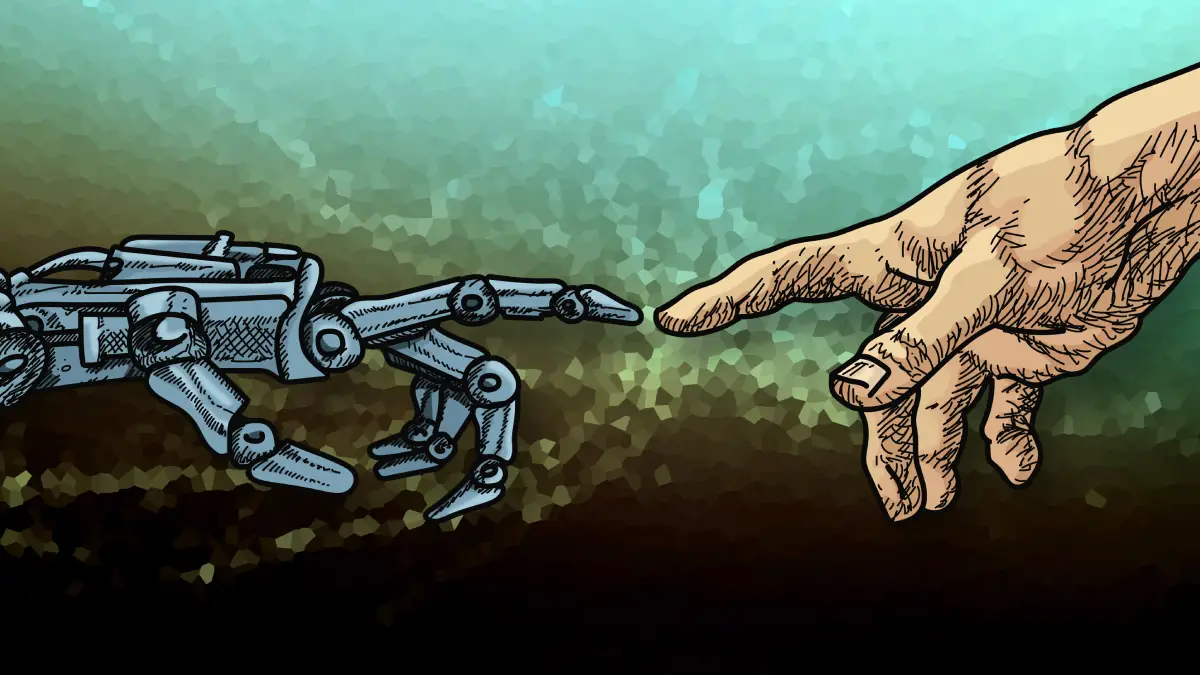
When considering professions that remain untouched by the relentless advance of artificial intelligence, few would expect a centuries-old artistic trade to withstand such pressure.
While many roles brace for transformation or even extinction due to digital disruption, certain crafts continue to exist well beyond AI’s current reach.
Among these is traditional engraving, a unique blend of artistry and manual skill that algorithms simply cannot emulate. Yet, despite this protection from high-tech upheaval, the field faces an entirely different obstacle: inspiring the next generation to embrace its legacy.
Understanding the world of artisanal engraving
Engraving represents much more than simply pressing designs into paper or metal—it fuses time-honored techniques with meticulous attention to detail. Master engravers, often working in small workshops steeped in history, produce everything from formal invitations to collectible works of art. Rather than relying on digital shortcuts, these artisans use manual presses and copper plates, sometimes operating machinery that predates most modern enterprises.
Each engraved piece emerges from a process full of unpredictable variables: the ambient humidity, the consistency of the ink, and the quirks of aging mechanical tools. This intricate reality requires a rare combination of dexterity, intuition, and patience—qualities that no robotic or software solution has managed to replicate so far.
Why artificial intelligence fails to replace engravers?
AI may excel at image analysis, content generation, and optimizing repetitive motions. However, human engravers rely on constant micro-adjustments guided by sensory feedback—a practice rooted in touch, sight, and years of experience. The ability to laser-engrave copper, then refine it by hand, calls for real-time adaptation that remains out of reach for any machine today.
No neural network can interpret subtle shifts in ink temperature during the day or instinctively adjust for a press built in 1910. While computer vision has transformed quality control across manufacturing, it stumbles in creative domains where every project brings new challenges. For engravers, each commission presents a distinct test of precision and judgment, ensuring the profession stays uniquely human as technology races forward elsewhere.
A tactile art beyond code
Digitalization falters when confronted with tactile processes that demand not just accuracy but genuine feeling. Engraving depends on the artisan’s sense of resistance beneath their tools, adjusting pressure by instinct rather than calculation. Machines lack this intuitive sensitivity, which leads to inconsistent or lifeless results whenever they attempt to imitate the refined touch of human hands.
This is why engraving endures as one of the rare creative vocations seemingly immune to immediate automation. Clients appreciate the authenticity and subtle imperfections that only a skilled artist can provide—a quality many believe will always set handcrafted work apart from software-generated alternatives.
Heritage and innovation side by side
Workshops occasionally adopt modern tools, such as lasers for outlining large designs. However, nothing replaces the artisan’s expertise when it comes to final details and correcting minute material variations. Tradition continues to thrive within historic ateliers, where stories stretch back centuries and master-apprentice relationships still form the backbone of daily operations.
This balance preserves both heritage and relevance, while also highlighting how rare true mastery has become. Unlike mass-production jobs, learning engraving requires entering an ongoing dialogue between generations—one shaped by pride in technique and an unwavering commitment to uniqueness.
Why so few people are drawn to engraving today?
Even without direct competition from machines, attracting new talent to engraving proves surprisingly difficult. Many positions remain unfilled despite the profession’s stability and prestige. Several factors contribute to this paradox—for instance, starting wages rarely match those of roles requiring less training or physical effort. Prospective engravers must stand for hours, perform repetitive motions, and accept slower early career progression.
The discipline demands dedication far exceeding standard office routines. Only about half of apprentices reportedly persist beyond the first stage, facing setbacks and lengthy skill development before mastering essential techniques. Patience, focus, and resilience thus become prerequisites—not qualities everyone is eager to cultivate over the long term.
From convenience stores to craftsmanship
The path into engraving does not always follow a straight line. Some artisans switch careers later in life, showing there is space for latecomers willing to fully commit. Stories abound of former retail workers who become standout engravers after intensive retraining—demonstrating that broader accessibility exists for anyone prepared to invest the necessary time and energy.
For those unsettled by digital disruption, such transitions offer meaningful job security and fulfillment lacking in many other sectors. Still, turning theory into practice remains challenging as cultural interest wanes and manual trades struggle to compete with flashier tech options attracting younger generations.
Long-standing traditions, uncertain future
Current statistics reveal a shrinking pool of skilled engravers nationwide, with estimates barely surpassing 300 individuals across all regions. As seasoned experts approach retirement, concerns grow about who will preserve the standards honed over centuries. Apprenticeship systems lag behind industry needs, threatening the transmission of invaluable knowledge from one generation to the next.
The result is a striking irony: a profession impervious to artificial intelligence may gradually disappear—not due to obsolescence, but because too few choose to inherit its rich tradition.
The unique rewards and realities of a hidden gem
- Work with rare materials and techniques passed down through families.
- Create bespoke objects cherished for decades.
- Experience a tangible connection to history and tradition.
- Develop fine-motor skills unattainable via screens or code.
- Belong to a close-knit community sharing uncompromising standards.
While major industries surge toward automation and data-driven decisions, hand engraving stands apart. This trade appeals to those seeking creativity blended with physicality, tradition, and individuality—offering a vivid example of craftsmanship’s enduring allure, even as the world around it transforms at breathtaking speed.
