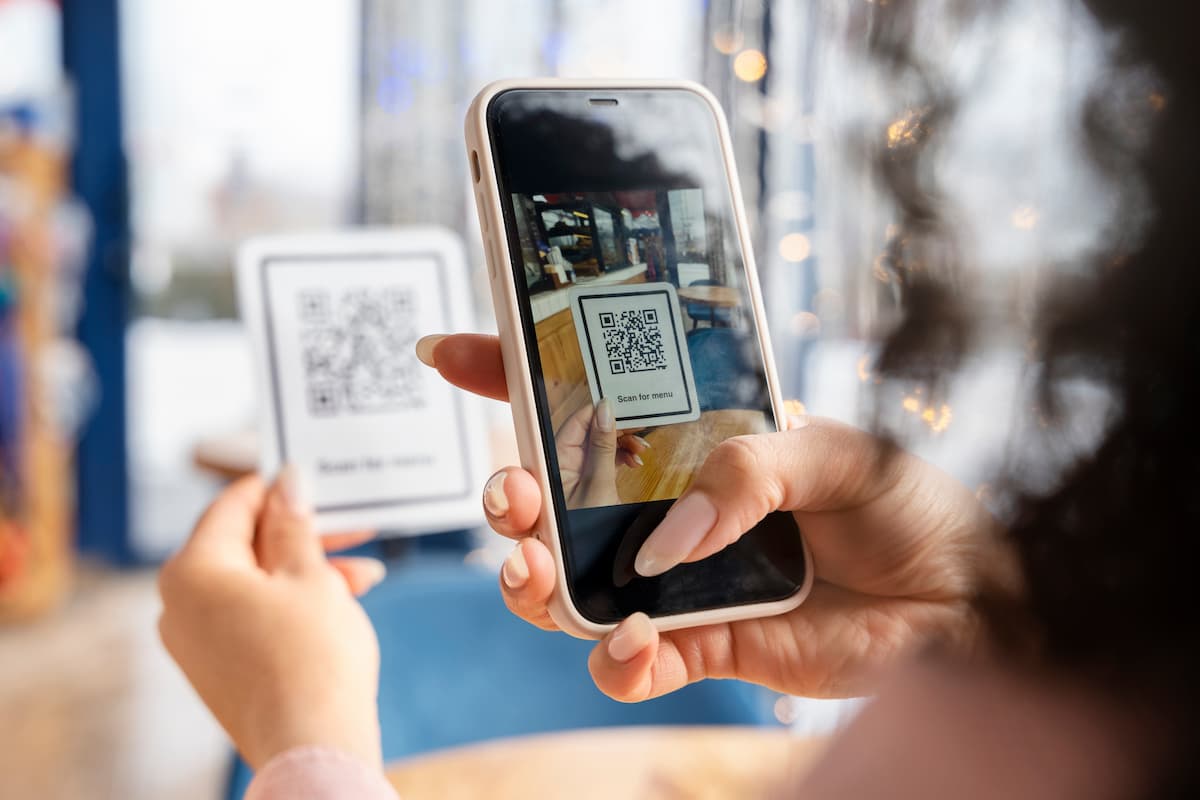
Digital convenience has delivered plenty of shortcuts, but it also introduces new risks. A recent tactic gaining traction involves those familiar black-and-white squares—QR codes. Today, hackers are weaving malicious activity into everyday routines through a scheme known as “quishing”. Understanding this trend and knowing when to avoid a suspicious QR code could be the difference between safeguarding sensitive information or handing it over to cybercriminals.
What exactly is quishing?
The term “quishing” merges QR code with phishing, reflecting the mechanism behind this growing scam. Rather than relying on traditional email links, scammers now embed harmful URLs within QR codes themselves. The real danger does not lie in the image, but in the destination to which these barcodes send unsuspecting individuals after scanning.
This strategy exploits the trust placed in QR codes, which appear everywhere—from digital menus at restaurants to marketing posters, event check-ins, and product packaging. When hackers generate their own QR codes disguised as legitimate access points, scanning becomes a gamble. A single scan can launch a browser window leading straight to a trap rather than a secure site.
How quishing attacks work in practice
Cybercriminals orchestrating quishing scams often target specific individuals using carefully crafted emails—a method known as spear phishing. These messages are not sent indiscriminately; instead, they are personalized, frequently appearing urgent or important to prompt immediate action or spark curiosity.
A further layer of sophistication is added when attackers mimic the design of official login pages for popular apps or corporate portals. Recipients may believe they are performing routine tasks, yet end up handing confidential details directly to criminals. Some fraudulent sites request personal credentials by imitating platforms such as workplace logins or VPN interfaces, exploiting familiar layouts to enhance deception.
Collecting user data silently
Simply landing on a quishing site can result in more than just sharing a password. Malicious websites may quietly collect device information like IP address, operating system version, and geographic location as soon as the page loads. These technical breadcrumbs help bad actors assemble a detailed profile of the victim or craft tailored follow-up attacks.
Often, such websites urge users to download software or fill out forms under false pretenses. Complying with these requests escalates the situation from inconvenience to serious data theft or even opens the door to malware infections, depending on the attacker’s goals.
Spear phishing versus widespread attacks
Not every scam targets the masses. Recent trends show that some campaigns focus on select individuals—such as researchers or company leaders—with access to sensitive topics. Attackers invest time researching their targets, increasing the likelihood that instructions will be followed without questioning the legitimacy of an emailed survey or internal update linked via QR code.
This targeted approach aims for greater reward per attempt, making security awareness especially critical among those regularly receiving such communications. For most people, vigilance remains essential—successful tactics can quickly shift quishing from a niche threat to a widespread hazard as its effectiveness grows.
Why QR code scams are becoming harder to detect
As society becomes increasingly reliant on scanning QR codes for everything from payments to sign-ins, opportunities for scammers multiply. There is rarely an obvious way to visually inspect a QR code and determine its safety before scanning. The cryptic appearance hides the true destination until after the scan is complete.
Progress in digital social engineering means hackers adapt their methods rapidly. Mobile-friendly fake login screens can be indistinguishable from authentic ones on a small device, blurring the line between legitimate business and criminal intent.
Staying safe: practical tips to avoid quishing
Protecting oneself from QR code fraud does not require advanced cybersecurity expertise but calls for extra caution and a healthy dose of skepticism toward anything unexpected. Adopting a few habits can provide strong protection against these evolving schemes.
- Never scan QR codes received unexpectedly by email, text, or displayed in public spaces unless independently verified.
- Always confirm the source by contacting the supposed sender directly using official channels—never use contact details provided alongside the suspicious message.
- If asked to log in after scanning a QR code, pause and navigate manually to the service’s website rather than trusting automatic redirects.
- Avoid downloading files offered through QR-linked pages unless completely certain of their origin.
- Be wary of forms requesting sensitive information after a scan, especially if the website URL appears unfamiliar or suspicious.
For clarity, here is a simple comparison between quishing and traditional phishing:
| Feature | Phishing | Quishing |
|---|---|---|
| Main delivery method | Email links or attachments | QR codes in emails or printed media |
| Visual cues | Clickable text or buttons | Scannable image (barcode-style square) |
| User action required | Click link or open attachment | Scan code with smartphone camera |
| Typical disguise | Official-seeming email wording | Official documents, login portals, surveys |
Future outlook: more QR codes, more threats?
The role of QR codes in daily routines continues to expand, from streamlined contactless payments to guest registrations at events. This growing adoption encourages cybercriminals to refine their strategies, making large-scale impact more likely as time goes on.
Responsible usage means treating QR codes with the same caution given to any unsolicited digital content. Adjusting online instincts to scrutinize these seemingly harmless boxes offers a straightforward yet effective defense, helping keep confidential data a step ahead of those lurking behind innocent-looking scans.